



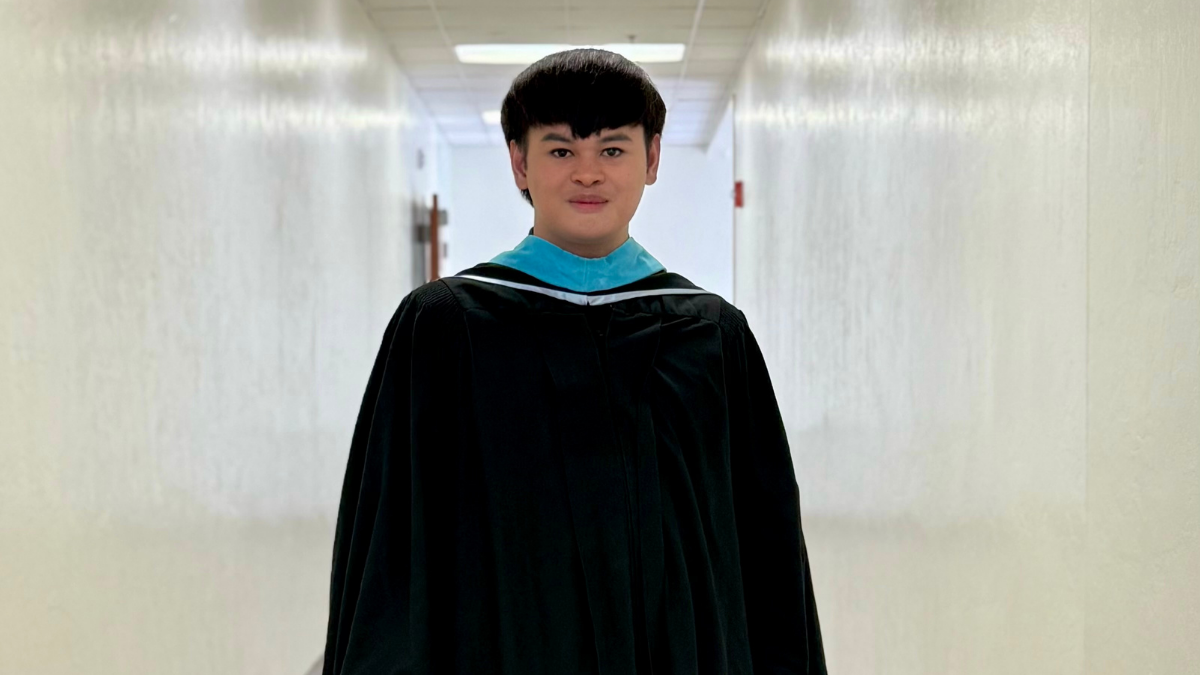

Most people picture a teacher’s hardest day as a chaotic classroom or a stack of ungraded papers. For Osias R. Del Valle Jr., it was a 1:00 AM phone alarm thousands of miles from home, set not for sleep but for survival. Between those pre-dawn hours and the start of his workday, he chased interview slots, prepared lessons, and pushed through graduate coursework — a punishing rhythm he kept for months before the opportunity he wanted finally arrived.

Now in his fourth year as a High School English Language Arts and Digital Media teacher at Palm Beach Maritime Academy Secondary in Florida, Osias teaches under the J-1 Teacher Exchange Program. His work stretches well past lesson plans into mentoring students in communication, literacy, media production, journalism, and digital storytelling. A proud Bicolano, he earned his degree from Partido State University, a master’s from The National Teachers College, and is pursuing a doctorate at the University of Perpetual Help System DALTA. He is also a published researcher whose study examined the lived experiences of Filipino teachers working abroad — a subject he knows from the inside out.


The reason behind the leap
Osias did not frame his move overseas as a simple career step. “I wanted to prove that Filipinos are globally competitive, resilient, and capable of thriving beyond borders,” he shared with TGFM. The decision carried weight beyond ambition. As the breadwinner of his family, he needed to support his loved ones and help shoulder his father’s medical expenses.
The path there was anything but smooth. Before Florida, he spent seven years teaching at Perpetual Help Learning Academy of Quezon City, then moved to San Francisco High School in the Philippines, and later evaluated teacher credentials at the MIMAROPA Regional Office. Those roles built his footing. Getting to the United States still meant facing a stack of applications, rejections, and setbacks before anything stuck.
When the distance turned cruel

Then came the chapter that tested everything. During his first year abroad, Osias received news that his father had passed away. He was thousands of miles from home, and there was no flying back in time, no pausing the work in front of him.
“Being thousands of miles away, carrying grief while continuing to function daily, tested every part of my strength,” he recalls. He kept teaching. “There was no pause button, no shortcut through pain.” He leaned on faith, on family and friends, and on a belief that the sacrifice meant something. The experience, he says, taught him “the quiet strength of moving forward even when your heart is breaking.”
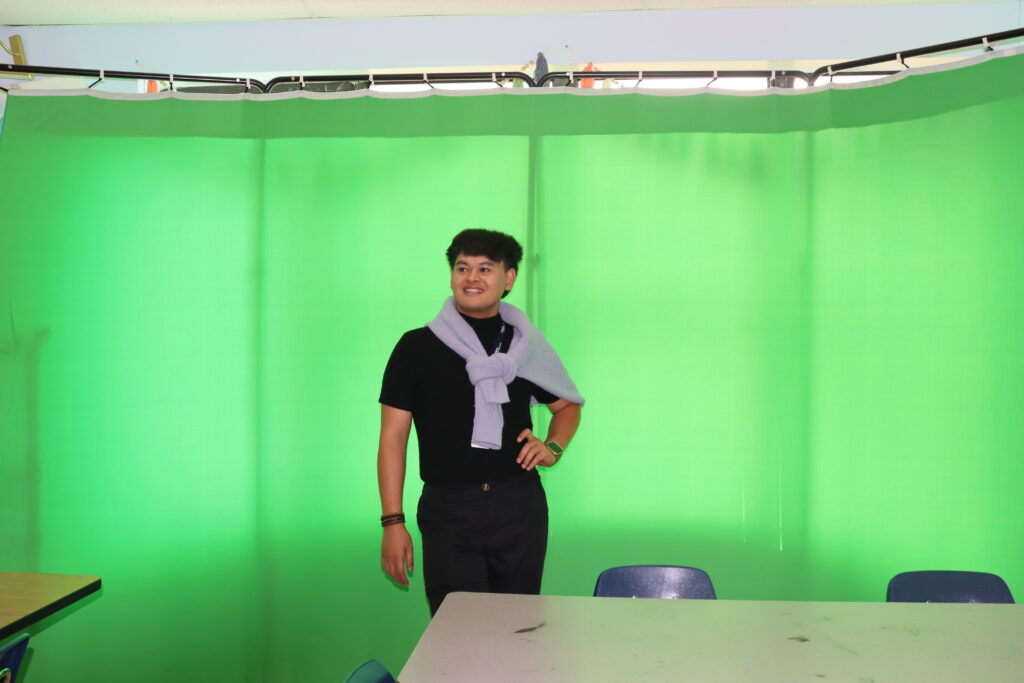
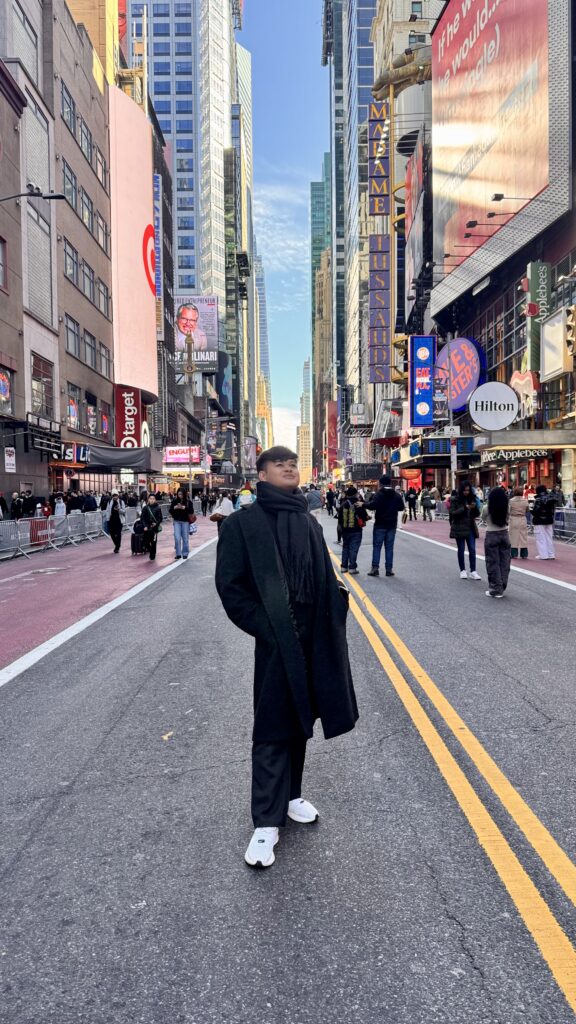
That same resilience shapes how he talks about the rest of the job — the part that fills the tank rather than drains it. The strongest pull is watching students change. Producing “Wave Makers,” a student-led media platform covering school events and community stories, has let learners find their footing in public speaking, newscasting, and interviewing. Teaching, he notes, was a passion inspired by his mother, who was also a teacher.
Empty your cup
Ask Osias what working abroad taught him and he returns to a single phrase: “empty your cup.” No matter what you achieved back home, he argues, you have to be willing to learn again. “Stay humble, and remain coachable,” he says. The lesson runs against the instinct of any accomplished professional arriving somewhere new, which is exactly why he repeats it.
His plans point homeward. He intends to return to the Philippines to share what he has gathered, mentoring future educators while staying open to opportunities abroad. For kababayans weighing the same leap, his advice is plain: “Pray, persevere, and stay grounded.” Success overseas, in his telling, is measured less by titles than by the lives touched and the character built when the seasons get hard.
