



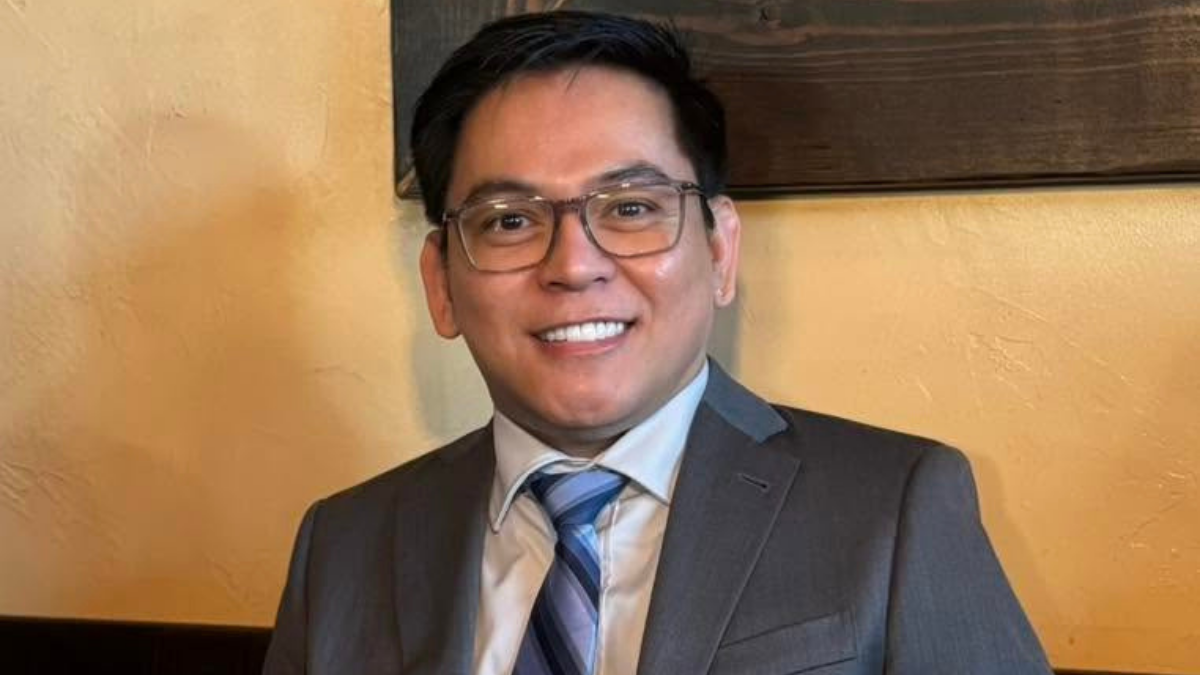

The Trump administration’s latest move on permanent residency is being read by at least one legal expert as a tougher reading of existing rules rather than a fresh statute, a distinction that could shape how Filipinos respond.

New York-based immigration attorney Nicolas Caraquel said the May 22 guidance, which may require certain non-immigrant visa holders to pursue their green cards from their home countries, simply enforces the original purpose of immigration law more rigidly.
“The way I read it, it’s really one way of addressing the abuse or the circumventing of what the real intent of immigration law is. It’s not new, it’s just actually stricter enforcement,” he said in a Philippine News Agency report.
By his account, those most likely to be told to file abroad are holders of tourist and J-1 visas who lack “exceptional circumstances.” He recalled that the earlier approach was gentler toward some temporary visa holders, citing tourists who married and chose to seek residency after roughly four months in the country.
“They are only more restrictive now with non-immigrant visa holders applying for a green card while still in the US. That is basically the context of what the new policy is,” he added.
Caraquel was careful to note that a change of status or extension remains available, so long as the request is not for a green card. A tourist visa holder wanting to study or extend their stay for another six months, he said, can still apply.
The first week of enforcement has produced encouraging outcomes, he reported, with many interviewed applicants having their cases classified as exceptional. He pointed to H-1B holders in specialty fields, including teachers who won approval by explaining they could not leave their students for a months-long processing period abroad, given the shortage of educators in the US.

“So, it’s really a case-to-case basis,” he said. “The nature of their visa actually allows dual intent, meaning the law allows them to apply for the green card. So, yes, the policy has been implemented and then ‘yong (those holding) dual-intent visas ina-allow naman (were allowed).”
His advice to anyone on a temporary visa was direct.
“With the strict rule now, just to be safe lang, get consultation na lang para ma-assess anong risk mo (get legal consultation to assess your risk),” he said, warning that “deportation is becoming a reality now.”
The Philippine Embassy in Washington, D.C. offered parallel counsel, urging affected Filipinos to track developments closely and consult qualified lawyers. Embassy Minister and Consul General Zoilo Velasco said much about the directive remains undefined, including which visa categories it covers, and described the situation as fluid.
“We advise affected Filipinos in the US to closely follow the developments as the US government might issue further official clarification on this matter. If needed, they may also consult qualified immigration lawyers to help them navigate the complexities of the US immigration system,” Velasco told the Philippine News Agency.
Most Filipinos are unlikely to feel the effect, since the bulk apply from the Philippines through family petitions or employers. The Department of Homeland Security has said outcomes will turn on the discretion of individual officers, deciding each application on its own merits, and later told The New York Times that most immigrants would not have to leave the country to obtain a green card.
