




A measure that would scale up government feeding efforts into a wider national nutrition program cleared the House of Representatives last week on a unanimous 297-vote tally, with backers framing it as a direct response to childhood hunger and weak learning outcomes.

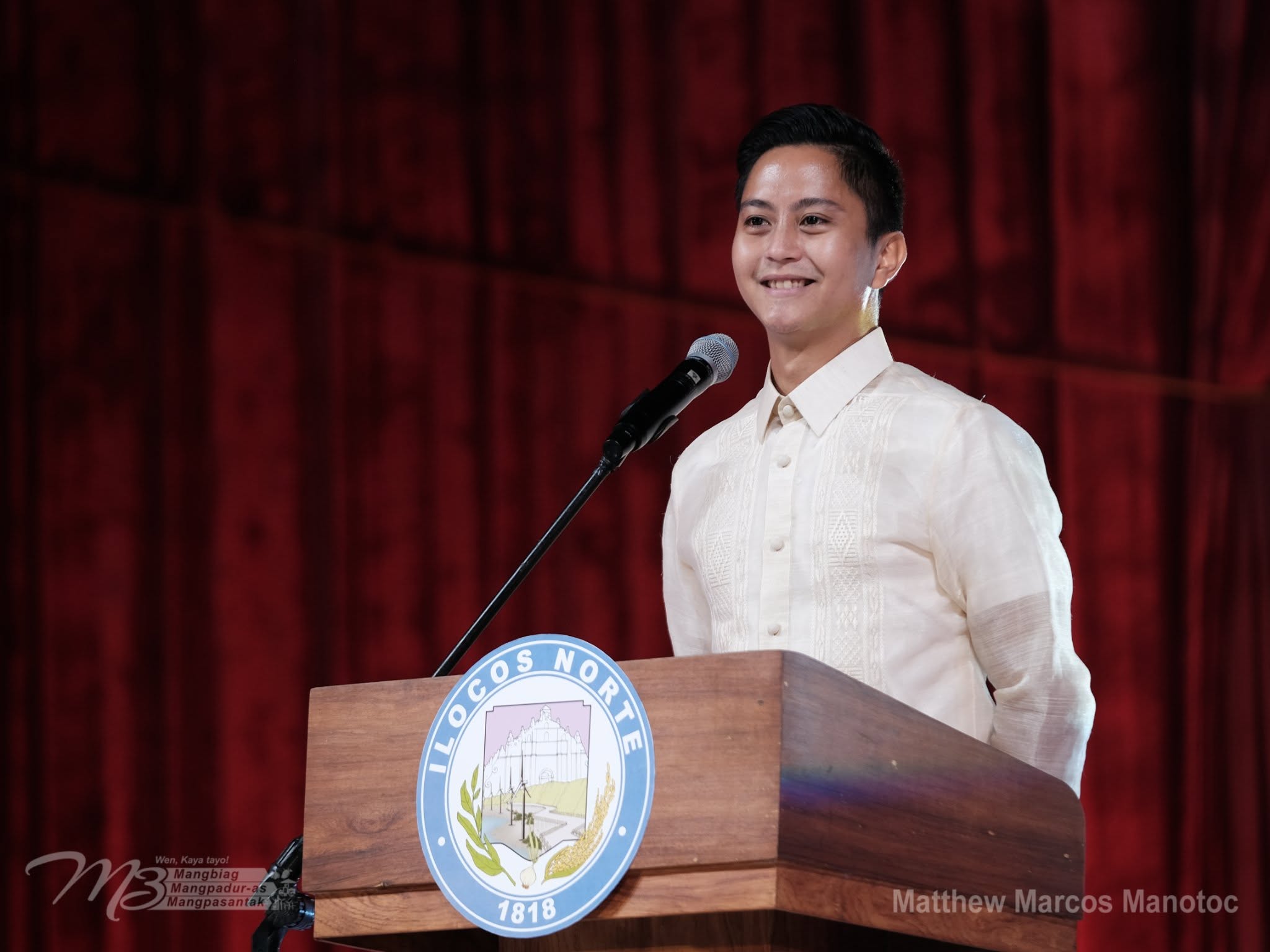
House Bill 9466 would revise Republic Act 11037, the Masustansyang Pagkain Para sa Batang Pilipino Act, expanding who receives feeding support while folding in stronger links to health services, schooling, and farm production. House Majority Leader and Ilocos Norte Rep. Sandro Marcos, who pushed for the bill’s passage, said it treats hunger as a core barrier to how children grow and learn.
“No child should be forced to learn on an empty stomach. By strengthening and expanding our nutrition programs, we are giving Filipino children a better chance to succeed in school, stay healthy, and reach their full potential,” Marcos said.
Under the proposal, every learner from Kindergarten through Grade 3 would be fed regardless of nutritional standing, an approach described as universal coverage, while pupils in Grades 4 to 6 found to be undernourished would receive targeted meals. Quezon City Rep. Patrick Michael Vargas, a House Deputy Majority Leader and one of the bill’s authors, tied the timing to the school calendar.
“Kapag gutom at hindi wasto ang nutrisyon ng estudyante, hihina ang kanilang pag-absorb ng mga tinuturo sa eskwelahan at mapag-iiwanan sila sa klase. The opening of classes this Monday is a timely reminder for us to address this problem,” Vargas said.

He argued that government should step in where families cannot manage adequate meals on their own. “Hindi po natin dapat hayaan pumasok sa klase ang ating mga anak na kumakalam ang tiyan kung gusto po natin silang lumaking malusog at matalino. Kung nahihirapan ang mga magulang magbigay ng sapat na pagkain, dapat tayo po sa gobyerno ay handang tulungan sila,” he said.
The bill also extends feeding from 120 days a year to 200, a change Leyte Rep. Martin Romualdez said would keep nutritional support steady across the school year. Coverage would reach beyond ordinary schoolchildren to pregnant learners at nutritional risk, learners with disabilities, indigenous students, and others more exposed to hunger.
“This measure goes beyond assisting schoolchildren. It also provides support to nutritionally at-risk pregnant learners, children with disabilities, indigenous learners, and other vulnerable sectors who are more likely to experience hunger and malnutrition. No Filipino child or learner should be left behind simply because of their circumstances,” Romualdez said.
A milk component would favor locally sourced fresh milk and dairy goods bought from farmers and cooperatives, while the program would require that at least 30 percent of its agricultural and fishery supplies come straight from local producers, with priority for small-scale farmers and fisherfolk.
Vargas, for his part, cast youth nutrition as a development strategy rather than charity. “Ang kabataan ang pundasyon ng ating bayan. Kaya sila po dapat ay ating inaalagaan at sinisiguradong lalaking malusog at marunong. If we want to raise the standards of learning in our public schools and ensure the welfare of our children, we must adequately fund and fix their nutrition,” he said.
