




A pledge to keep its borders open to those escaping danger stretches back more than a century in the Philippines, and that tradition was front and center this week as officials disclosed the scale of asylum cases now before them.

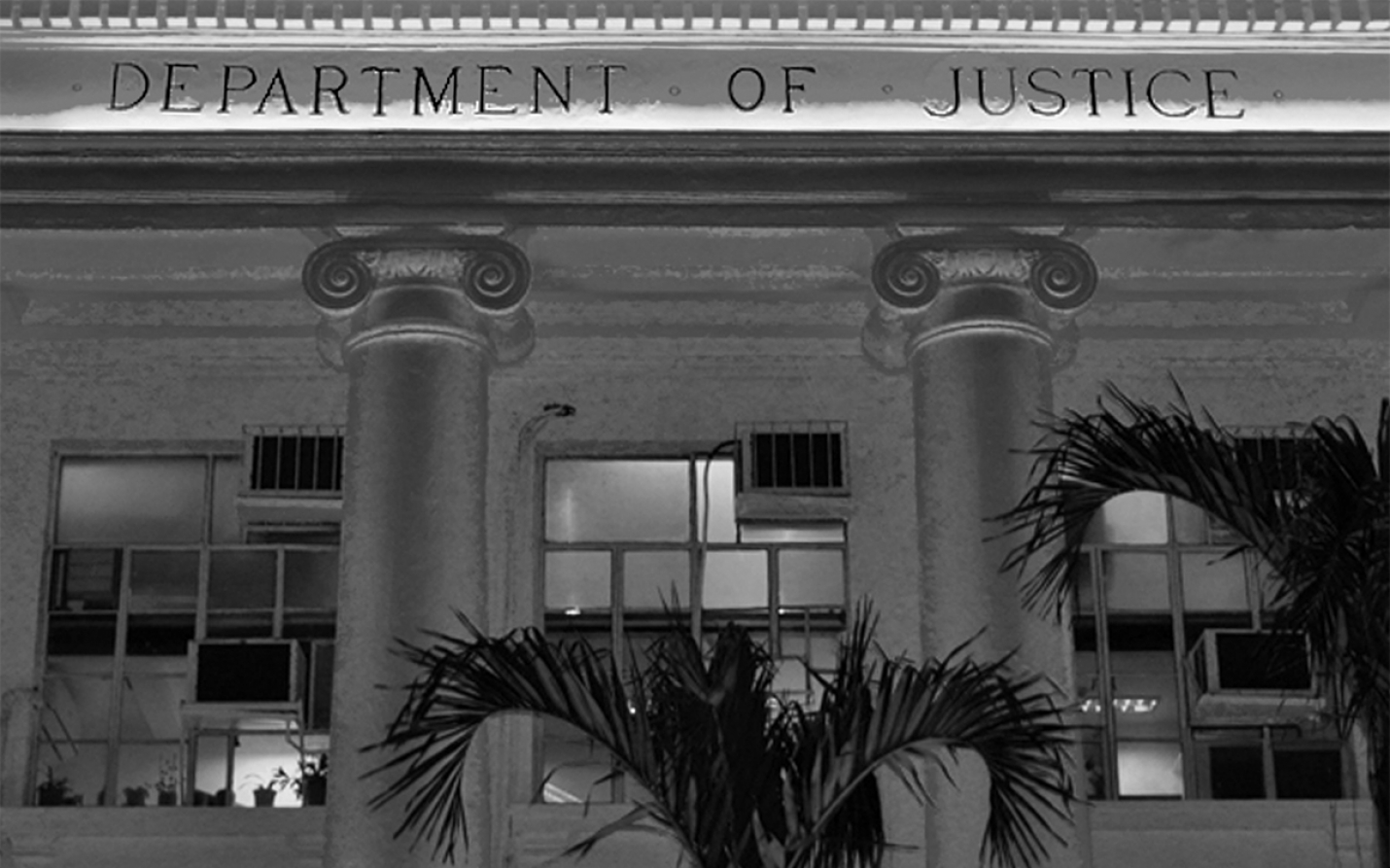
Roughly 1,000 foreign nationals have pending applications for refugee status, the Department of Justice said, with the bulk of applicants originating from Africa and the Middle East. The cases sit with the agency’s refugees and stateless persons protection unit, which handles screening and processing.
Chief state counsel Dennis Chan, speaking Thursday at a briefing tied to the launch of National Refugee Day, said the country already extends formal recognition to about 1,000 refugees granted asylum in earlier years. A separate batch of roughly 1,000 people remains under assessment.
Chan tied the surge in applications to the dangers people face back home. “The reason for their seeking asylum is the persecution that they are facing in their home country, which can be by reason of religion, race, gender, political opinion or membership in a social group,” he said.

National Refugee Day is observed in the Philippines each June 20.
The policy has deep historical roots. About 250 “White” Russians fleeing Bolshevik persecution were taken in beginning in 1921, with some 6,000 more arriving in a later wave in 1949. During the 1930s, President Manuel Quezon opened the country to roughly 1,200 European Jews escaping the Nazis.
Maria Ermina Valdeavilla-Gallardo, who heads the national office of the UN High Commissioner for Refugees, used the briefing to warn that the ability to claim asylum is being squeezed worldwide. She pointed to displacement figures sitting at near-record levels as conflicts and crises multiply, putting that right “under increasing pressure.”
She framed refugees not as a burden but as participants in national life. “Here in the Philippines, refugees and stateless persons contribute meaningfully to society as entrepreneurs, professionals, students and community members. When given the opportunity, they strengthen communities, enrich cultures, and contribute to inclusive and resilient development,” Valdeavilla-Gallardo said.
