



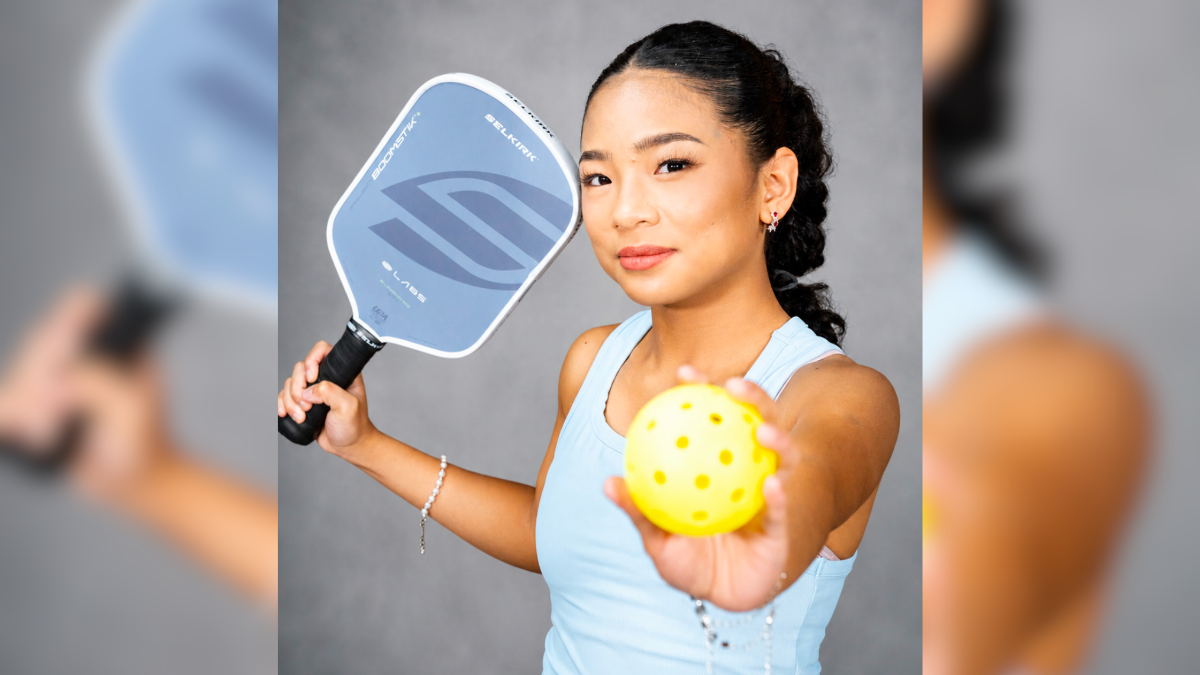

At 14, most athletes are still figuring out what sport they belong to. Rain Isabella Astano, a Filipino teenager based in Dubai, seems to have already answered that question — and in less time than most people take to get comfortable on a new court.

A Selkirk Emerging Junior Pro athlete, Rain has been playing pickleball for only seven months. In that window, she has already competed in both local and international events, carved out a reputation as one of the UAE’s most promising young players, and become something of an unlikely figurehead for young Filipinos in the Gulf who are just beginning to dream about sport.
But her story did not begin with a paddle in hand.

A grandfather, a court, and a long pause
Sport has threaded through Rain’s life since before she was old enough to remember it clearly. It was her grandfather who first put a tennis racket near her hands when she was around three years old. “He passed away not long after,” she said, “and I never really got to continue.”
That early chapter closed before it had a chance to open fully. When her family relocated to Dubai — Rain was nine by then — the thread picked back up. Her father, who has since become a full-time tennis and pickleball coach, stepped in. He became her trainer, her constant, and by Rain’s own account, one of the most important figures in her athletic development.
She took to tennis seriously enough to reach a career-high UAE junior ranking of 37th in the Under-12 category. It was a credible result. But something else was coming.
Seven months, and already counting
Pickleball arrived almost by accident. Her parents discovered the sport during a trip to the Philippines, but Rain was sick at the time and missed out. When the family returned to Dubai, they finally played together, and that was enough.
“My first impression was that it was really fun and fast-paced,” she said. “I liked how competitive it could get, and the more I played, the more I realized I could see myself doing this long-term.”
That shift from casual enthusiasm to serious commitment happened quickly. Within months, she had her Selkirk sponsorship, a competition schedule, and the kind of focus that tends to make coaches take notice. Her tennis background gave her a foundation — footwork, court sense, competitive temperament — but pickleball demanded its own adjustments, its own rhythm. She made them.
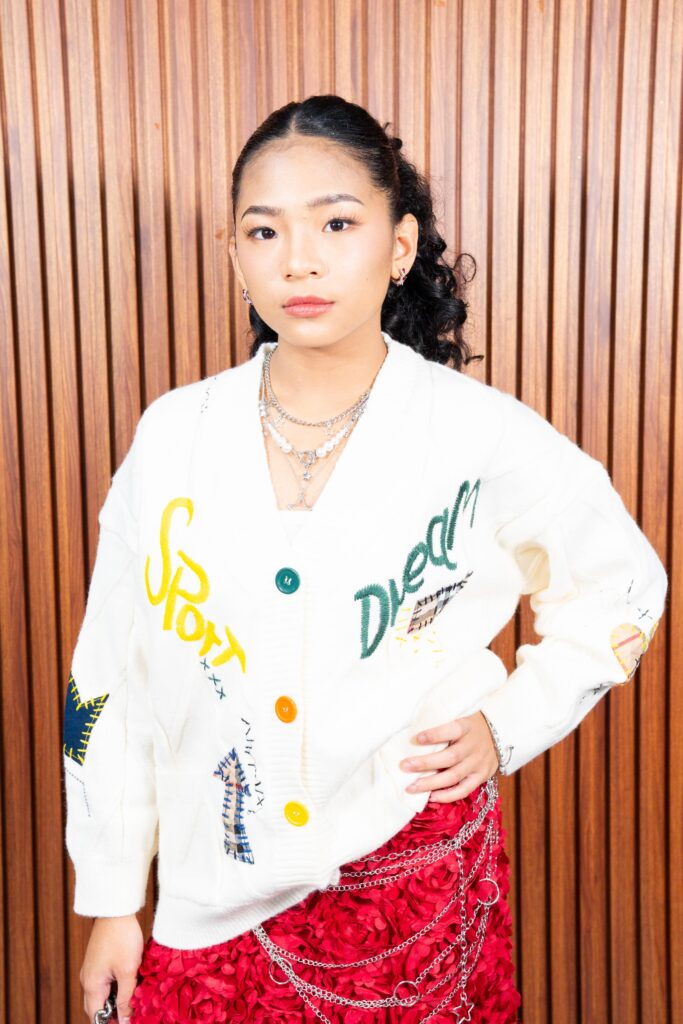
Her weekly structure is built around that commitment. Gym sessions fill her mornings before she transitions to academics. Because she is homeschooled, her schedule has the flexibility that most 14-year-olds training at this level rarely have. Formal training and coached sessions fall on Wednesdays, Thursdays, and Saturdays; other days are spent in open play, keeping the repetitions up.

“I usually plan my days ahead so I know when to study, train, rest, and spend time with family,” she said. “I’ve learned how important time management is.”
She also makes time to read — a quieter side of a teenager whose public profile is still very much being written.
The weight of being watched
There is an expectation that comes with being young, talented, and visible in a diaspora community. Filipinos in the UAE number in the hundreds of thousands, and within that community, athletes — especially young ones — carry a particular kind of symbolic weight. They are proof of something.
Rain is aware of the eyes on her, even if she speaks about it with the straightforwardness of someone who has not yet learned to be self-conscious about it.
When asked what she would tell a child who wants to play but is afraid to start, her answer was patient and direct. “Everyone starts somewhere, and it’s okay to feel nervous or lose at first,” she said. “You don’t need to be perfect right away. What matters is trying and enjoying the sport. Sports can help build confidence, discipline, and strength, and sometimes one try is all it takes to find something you really love.”
It reads like something a coach would say. Coming from a 14-year-old who is still in the middle of her own beginning, it carries a different kind of weight.
The dream, stated plainly
Rain does not dress up her ambitions. She wants to become a professional pickleball player and represent the Philippines at a high level. She wants to compete in bigger international tournaments. She knows it will require sustained work, and she says she is ready for it.
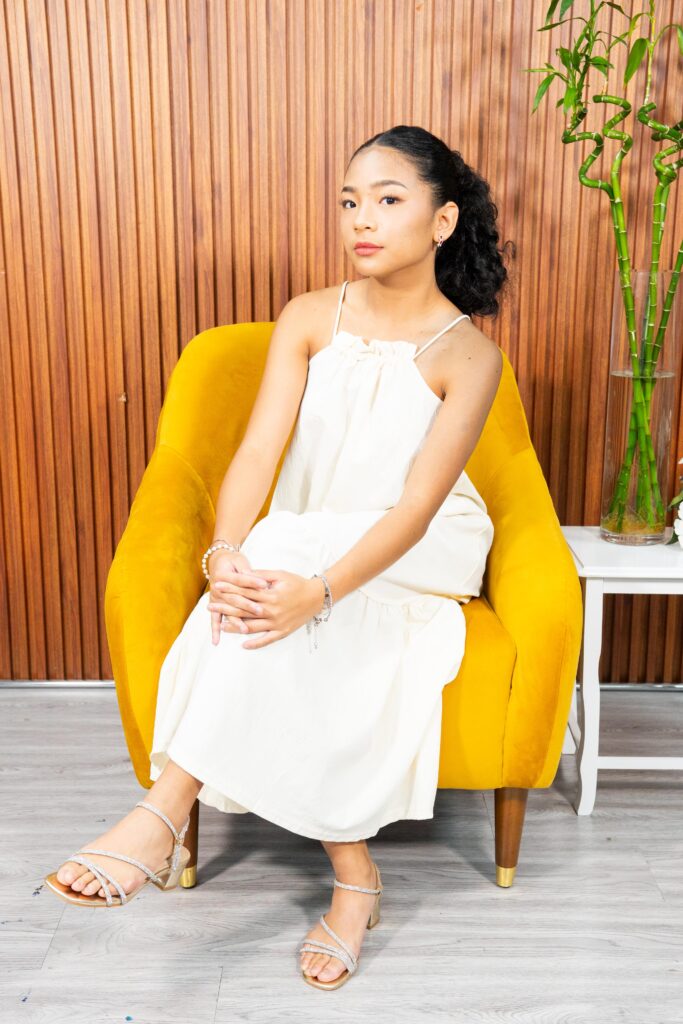
Behind that trajectory is a family structure quietly holding things together. Her mother has worked in Dubai’s tourism and travel industry for over a decade. Her father has built his coaching career in the UAE across tennis and now pickleball. Both of them, Rain says, have been essential to everything she has done so far. “I’m really grateful for everything they do for our family.”
That gratitude is not performative. It points to something real about what it takes to raise a competitive young athlete far from home — the logistics, the sacrifices, the accumulated years of showing up.
