



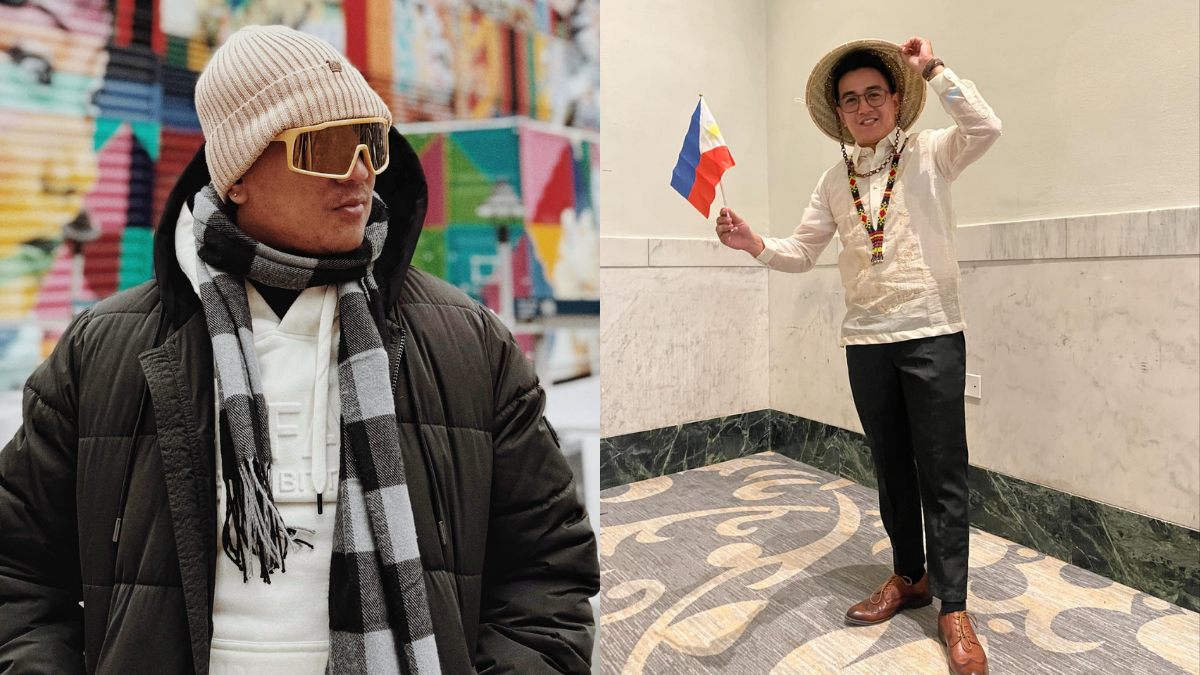

Most stories about teaching abroad begin with a plane ticket. Billy John de Guzman’s began with a daily two-hour commute through some of the most isolated routes in the Philippines—an hour to school, an hour home—long before the idea of America ever entered the picture. At 30, he now teaches fifth-grade math at a public school in Johnston County, North Carolina, but the patience that defines his classroom was forged on those long, uncertain roads.

“Those experiences taught me patience, resilience, and a deep sense of commitment to education, no matter the circumstances,” he shares with TGFM. It is a line that could read as cliché coming from someone else. From Billy John, it sounds earned.

From the Department of Education to a J-1 classroom
Before North Carolina, Billy John built his career under the Philippine Department of Education, where he learned the unglamorous fundamentals of the job: how to hold a room, how to reach a struggling student, how to make a lesson land. He speaks about that period without nostalgia or apology, treating it as the foundation everything else was built on. The school activities, the lesson planning, the slow work of building a child’s confidence—these were the skills he packed when he moved to the United States in 2024 as a J-1 educator.
The transition was not seamless. A J-1 teacher arrives in an American school expecting to teach and instead finds themselves learning—new routines, new expectations, an entire educational culture operating on assumptions no one bothers to explain because everyone around them already shares them.
“There were times when things felt unfamiliar and overwhelming, especially as I tried to understand new routines, expectations, and teaching practices while also being away from my family,” he says.
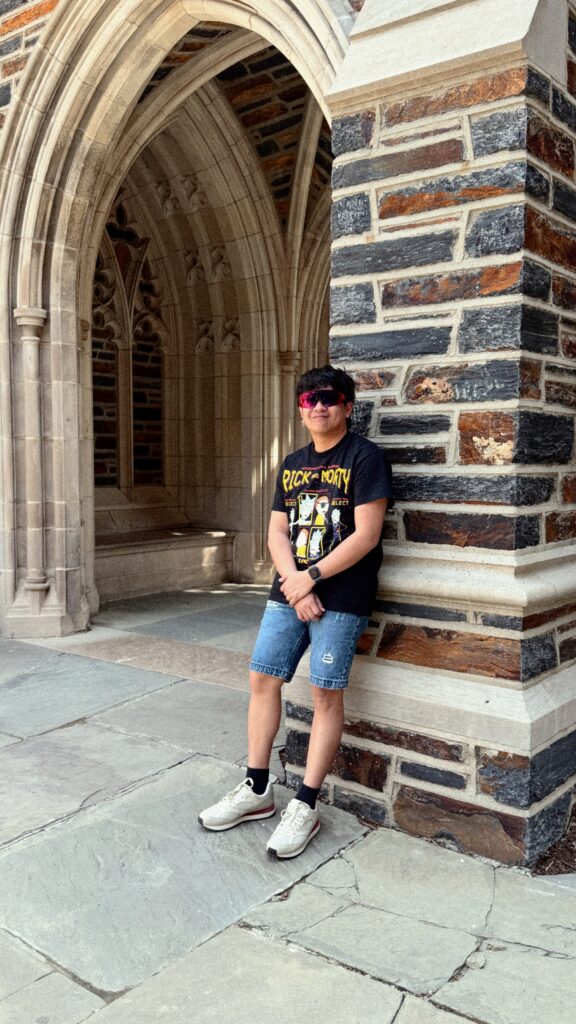
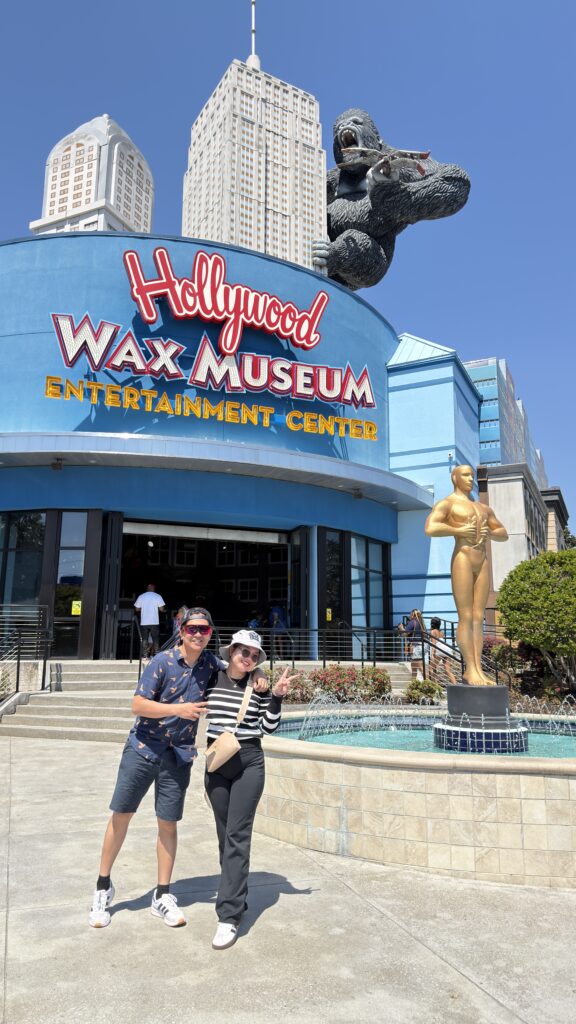
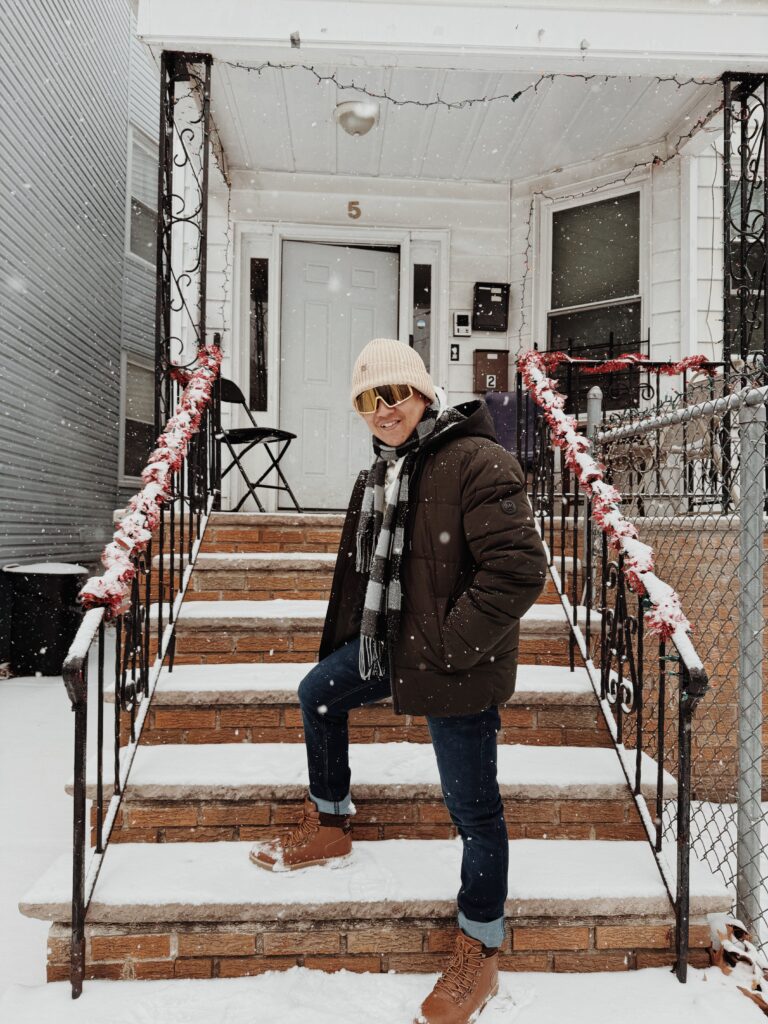
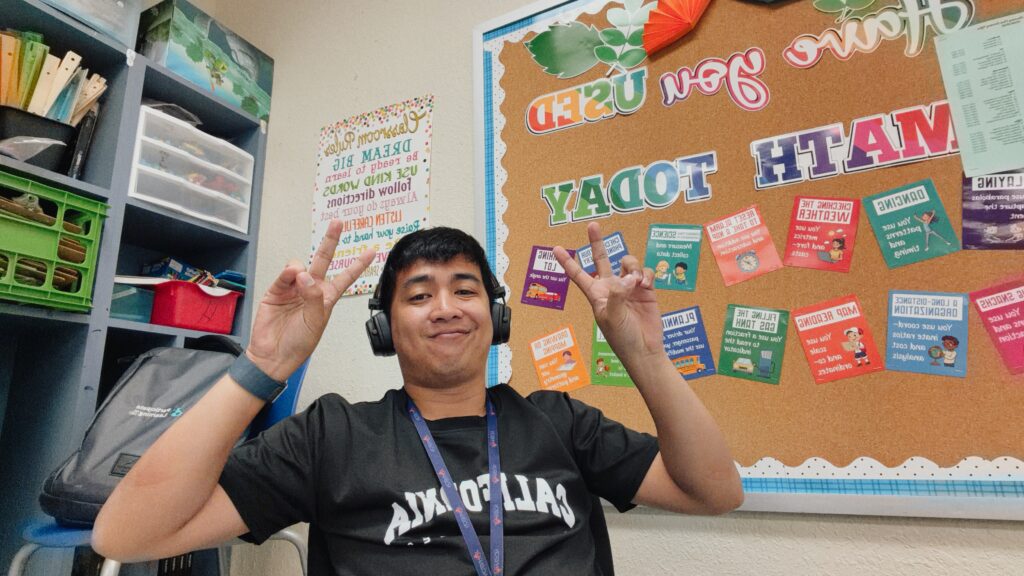
What carried him through was less a strategy than a stubbornness about why he came. He describes staying patient with himself and keeping an open mind, but the more honest answer is the one that involves another person.
The person who keeps him grounded
Billy John is direct about his support system. “My wife has been my greatest support—her encouragement keeps me grounded and motivated even on difficult days.”
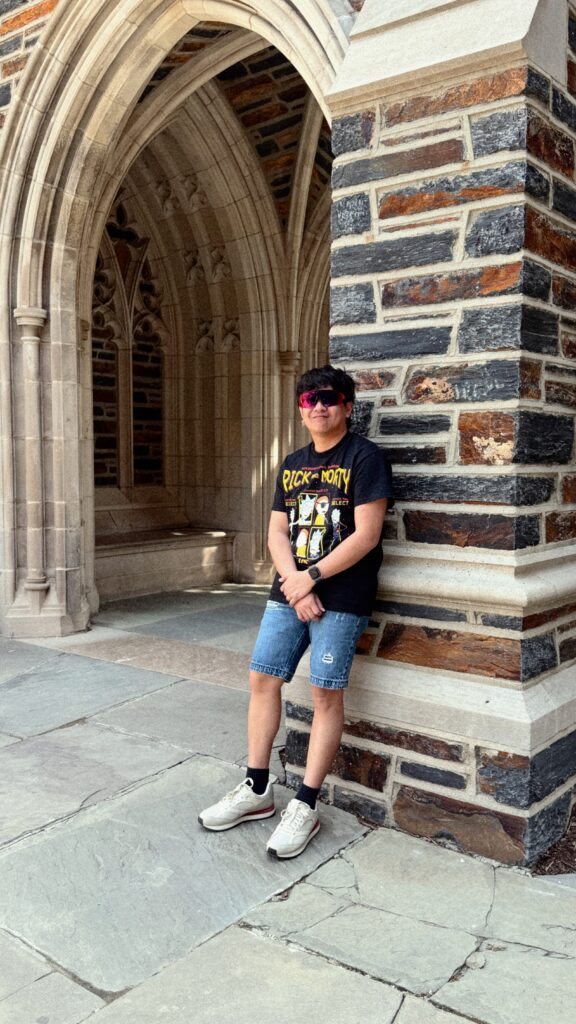
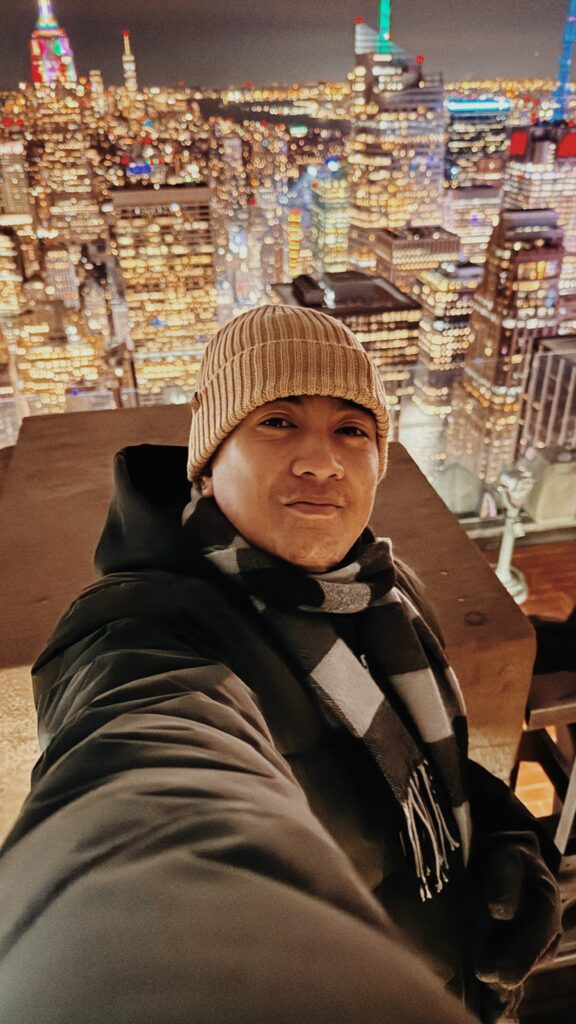
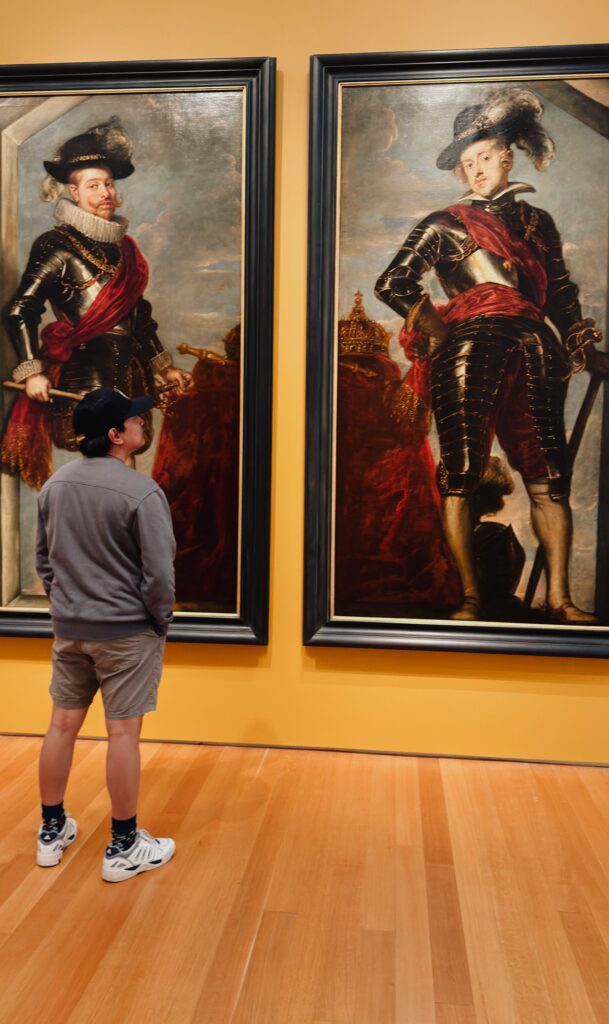
That partnership has also reshaped what the experience means to him. Travel was a luxury he rarely had in the Philippines, and the chance to see new places—to do it alongside his wife—has become one of the unexpected rewards of the move. He talks about visiting new cities the way someone talks about a door they did not know existed. Each trip, in his words, has become “a memory we truly treasure.”

It is a small detail, but it complicates the usual narrative of the overseas Filipino worker as a figure of pure sacrifice. Billy John is sacrificing, yes—distance from family is its own quiet cost—but he is also living, and he refuses to pretend otherwise.
Ask him why he left a stable teaching post to start over in an unfamiliar country, and his answer reaches past career advancement. “I wanted to push beyond my limits, step into the unknown, and discover how far my passion for teaching could truly take me,” he says. He frames teaching not as a job but as something closer to identity—”a calling that shaped my identity”—and the decision to go abroad as a test of how far that calling could stretch when stripped of the comfort of the familiar.
There is national pride threaded through it too, though he wears it lightly. He speaks of carrying “the pride of the Philippines” into his American classroom, of wanting his students and colleagues to see the heart and resilience of Filipino teachers firsthand. For Billy John, representing his country is not an abstraction printed on a brochure. It is what happens when a kid from Johnston County learns long division from a teacher who grew up halfway around the world.
What he plans to bring home
Most J-1 placements are temporary by design, and Billy John is clear-eyed about the return. He does not romanticize staying. Instead, he talks about what he will carry back—new teaching strategies, fresh perspectives, the experience of a different system—and how he hopes to share them with fellow educators under the Department of Education.
“My goal is to continue inspiring learners and contributing to the improvement of education in my home country in any way I can,” he says. He wants to support advocacies built around teacher development and student empowerment, and he wants to nudge other Filipino educators toward international opportunities of their own, convinced the experience makes them better at the work that matters most.
What is most satisfying about the job, he says, is also the simplest. “Witnessing their growth and knowing that I have, in some small but meaningful way, helped guide their journey.” It is the same reward he chased on those long commutes years ago, now playing out in a classroom an ocean away.
His advice to other Filipinos abroad carries the weight of someone who has felt the lonely days himself. “Do not make decisions in moments of exhaustion or loneliness,” he says. “Always choose what protects your peace and dignity.” He urges his kababayans to be wise with money, to guard their purpose, and to surround themselves with people who lift them up. And then he offers the line that doubles as his own quiet measure of success: “You are abroad not just to survive, but to build a better future.”
For a teacher who once spent two hours a day getting to a classroom, the distance to North Carolina was never really the point. The destination was always the same—a room full of students, and the chance to be the reason one of them believes they can.
