



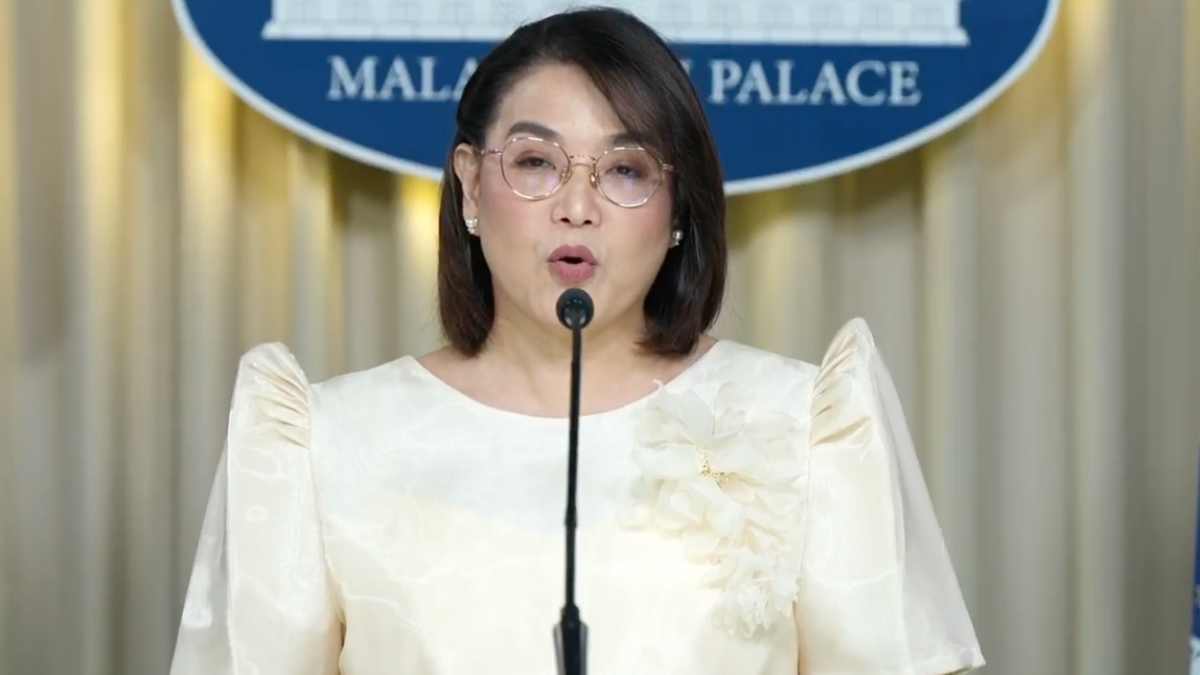

The reputational fallout from a month of disorder in the Senate hurt the country’s standing internationally and contributed to its defeat in the race for a UN Security Council seat, Malacañang said Thursday.

Communications Undersecretary Claire Castro pointed directly to the infighting that has gripped the upper chamber. “Lahat ng political noise, political tensions, nakakaapekto ito,” she told reporters, arguing that the spectacle had shaped how the country is now viewed abroad. “Ito ang nakikita ng buong bayan at buong mundo sa impression sa Pilipinas… na karamihan naman ay mga obstructionist,” she added.
The seat itself went to Kyrgyzstan, which captured the lone Asia-Pacific slot for the 2027-2028 term during the June 3 session in New York. The Philippines trailed from the opening ballot and saw its support erode across four rounds, finishing with 49 votes against Kyrgyzstan’s 142 — well past the 128 needed for a two-thirds majority. It marked Manila’s first failed bid after winning seats four times since 1957, and capped a campaign President Ferdinand Marcos Jr. had pursued for more than three years.
A message of “umayos kayo”
Asked what the President wanted the Senate to hear, Castro kept it blunt. “Umayos kayo,” she said. She described the current climate as one drowning in maneuvering rather than substance. “Mahirap kasi na lahat ng naririnig natin ngayon ay intriga… Mas lalo itong nagpapagulo, nagpapaingay,” she said.
The economic stakes, in the Palace’s telling, extend beyond diplomacy. “Alam naman natin na ang political tensions… pati ang ekonomiya apektado dahil hindi nagiging maganda ang reputasyon ng Pilipinas sa buong bansa, sa buong mundo,” Castro said.

Weeks of turmoil in the chamber
The disorder traces to May 11, when fugitive Sen. Ronald dela Rosa surfaced inside the Senate to back Sen. Alan Peter Cayetano’s installation as Senate President, a move timed ahead of Vice President Sara Duterte’s impeachment trial. Two days later, gunfire inside the Senate halls drew global attention; investigators faulted Sergeant-at-Arms Mao Aplasca for discharging warning shots rather than working with law enforcement personnel stationed in the adjacent building.
A reconstituted majority
A bloc of 12 senators moved this week to install new officers — leaving the Senate Presidency untouched — on the argument that they constitute a fresh majority now that the quorum has dropped to 22. That shift followed dela Rosa’s return to hiding and the arrest of Sen. Jinggoy Estrada in connection with his non-bailable plunder case.
Malacañang has thrown its weight behind Sen. Sherwin Gatchalian as the chamber’s Senate President Pro Tempore and its functioning leader, grounding that recognition in an earlier Supreme Court ruling that allows the voting threshold to be recalculated when members are absent.
