



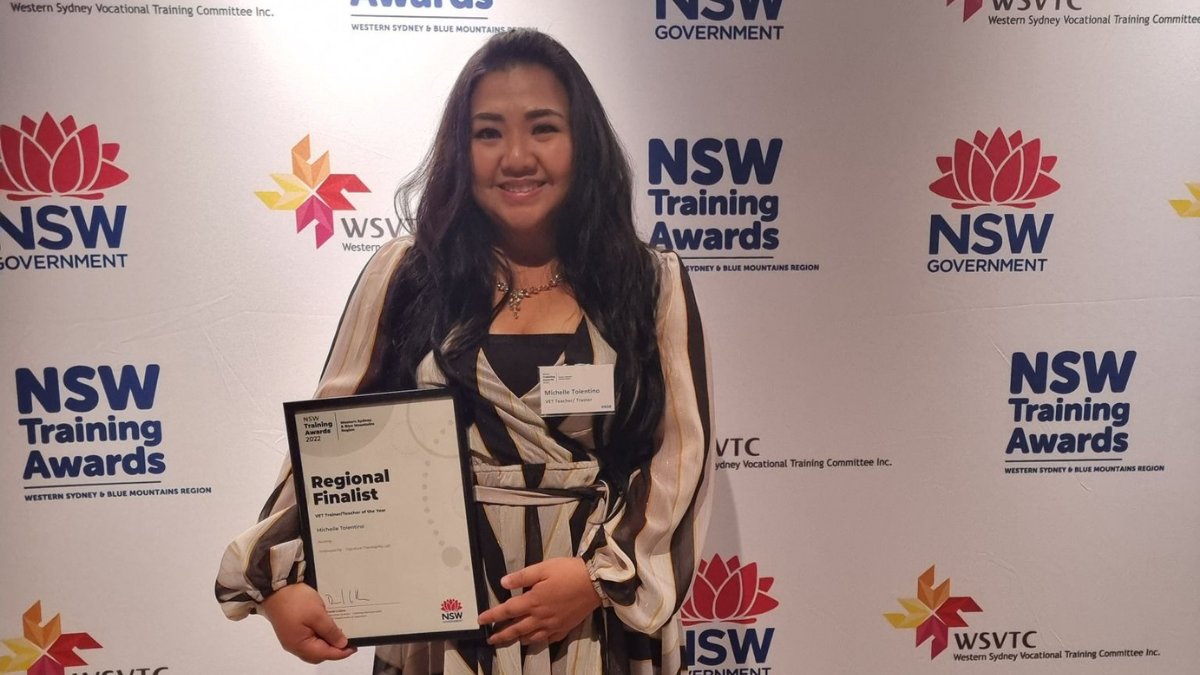

Every internationally qualified nurse arriving in Australia carries two things through the airport: a suitcase, and a question they rarely say out loud. Am I good enough for this? For a growing number of Filipino nurses, the person who answers that question isn’t a recruiter or an examiner. It’s Michelle Yawan Tolentino — a registered nurse, university lecturer and OSCE instructor whom her students have quietly renamed. They call her the “nurse-maker.”

The nickname is doing more work than it first appears. Tolentino is the founder, CEO and director of AustPhil Training Solutions, and on paper her role is straightforward: prepare overseas-trained nurses to pass Australia’s registration exam. In practice, the exam is the smallest part of what she does.

Why the exam is never just an exam
Australia’s OSCE doesn’t reward memorisation. It tests clinical judgement, communication, professionalism and the ability to keep a patient safe while the clock runs and someone watches. Most Filipino nurses who sit it already have the clinical knowledge. What trips them up is the adjustment — Australian documentation standards, a different communication style, the particular way clinical reasoning is expected to sound out loud.
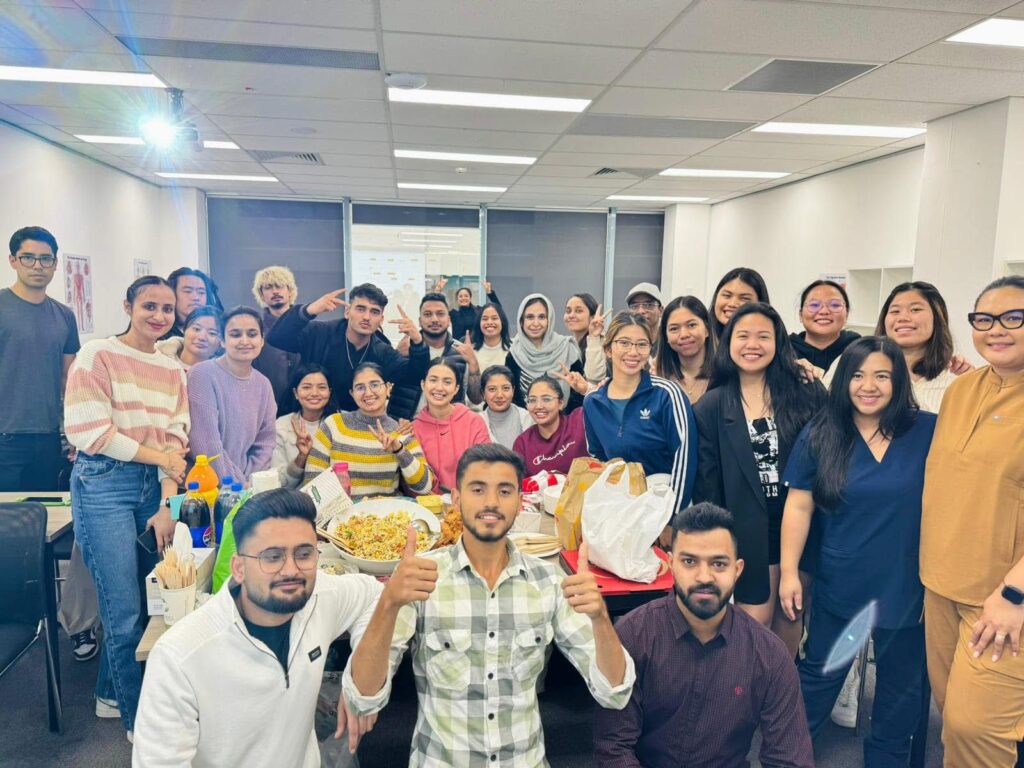
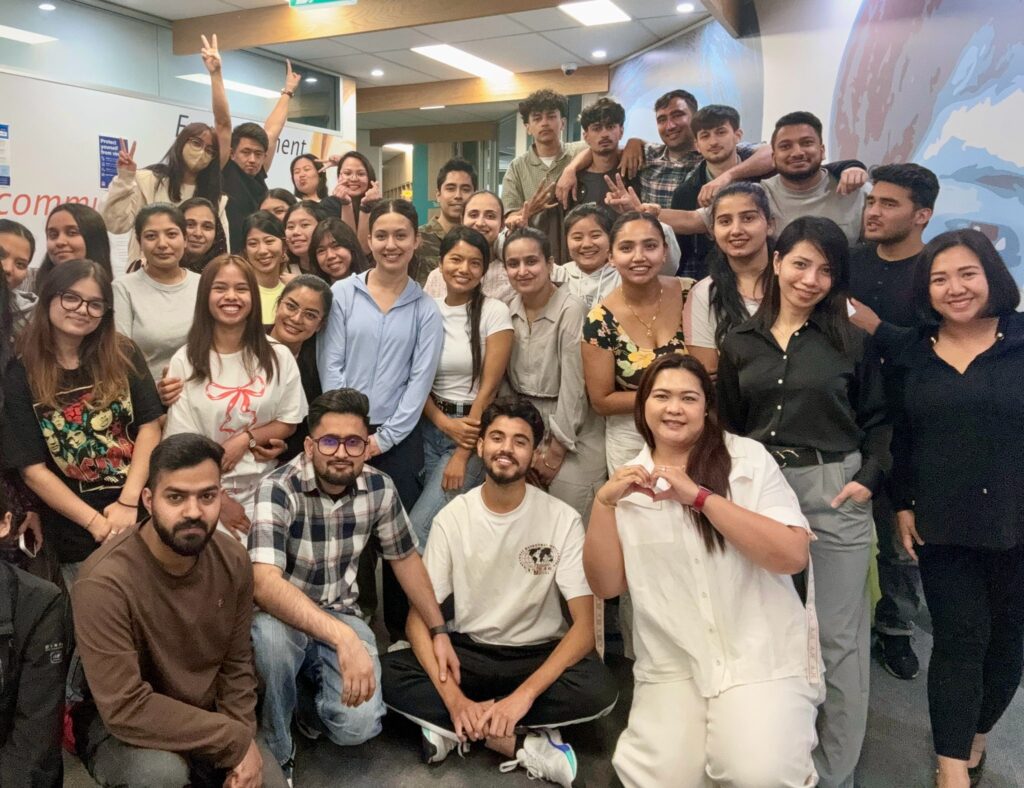
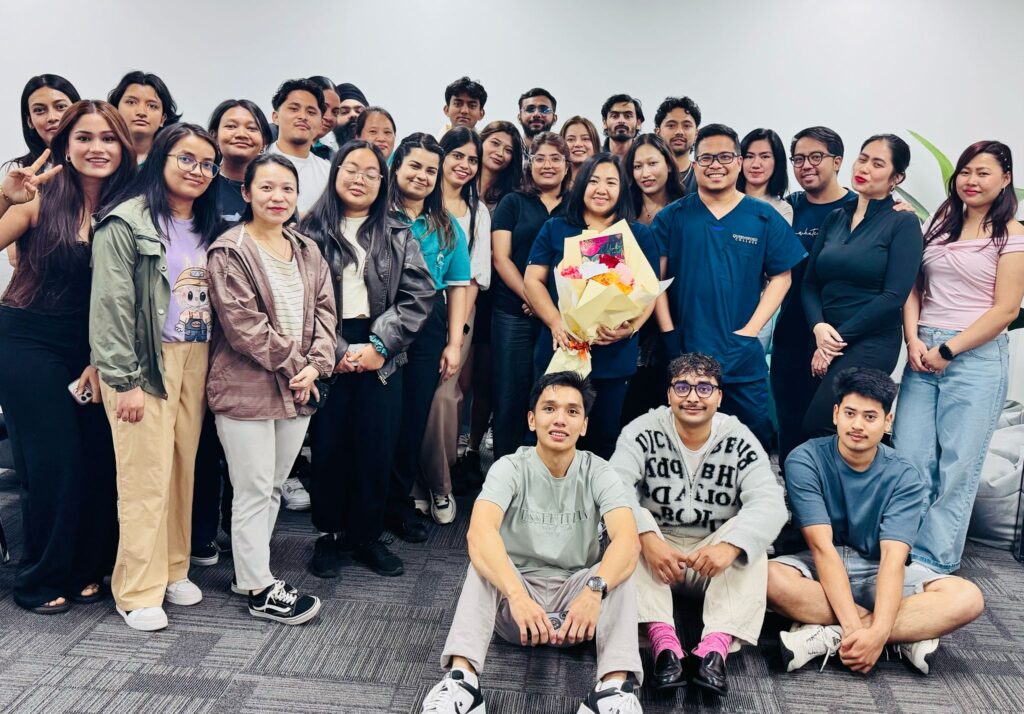
That gap, between competence and confidence, is the one Tolentino works in. Through structured teaching, realistic simulations, mock exams and one-on-one feedback, she rehearses nurses until the unfamiliar starts to feel routine. But the harder rebuild is internal. Many arrive already doubting themselves after months of homesickness, financial strain and family expectations pressing from the other side of the world.
Making educators, not just passing candidates

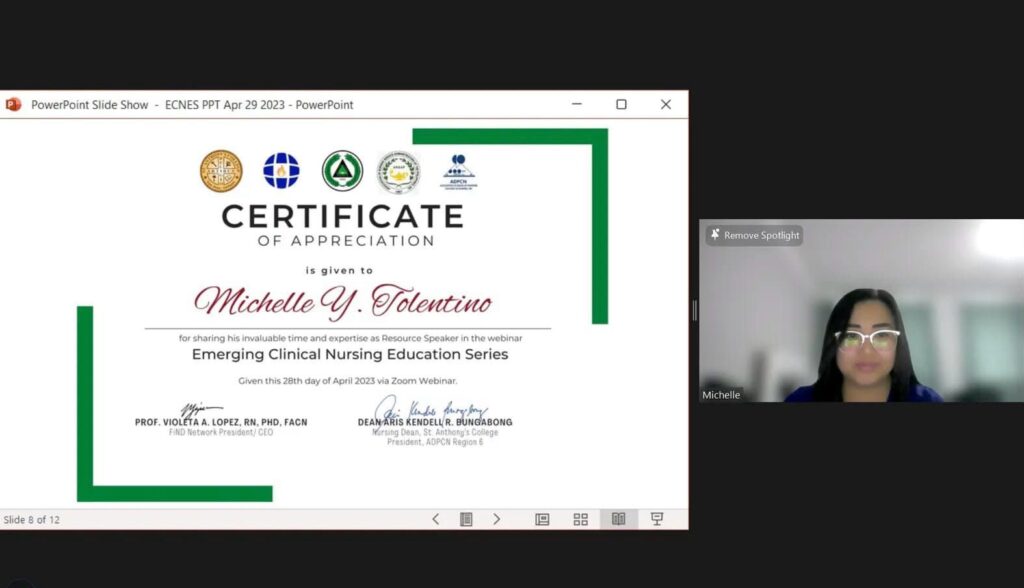
Tolentino’s reach extends past the nurses themselves. She also mentors the next layer up — the trainers, assessors and educators entering the field — on the conviction that strong nurses need strong teachers behind them. Her own background spans clinical education, college and university teaching, curriculum writing and nursing assessment, which lets her shape the profession at more than one level at once.
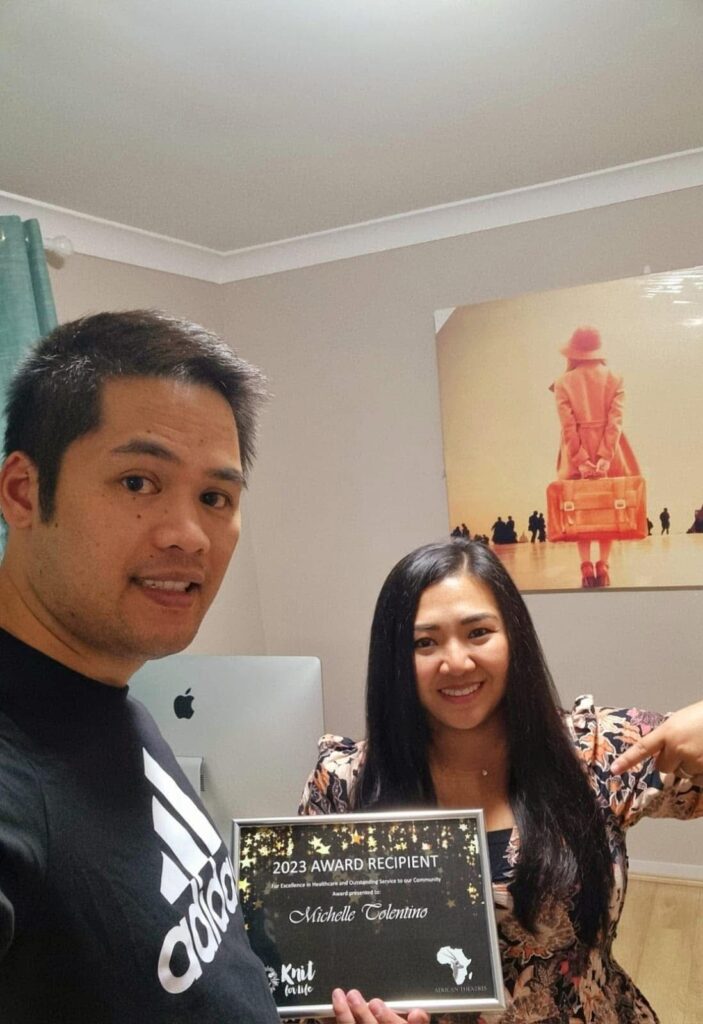
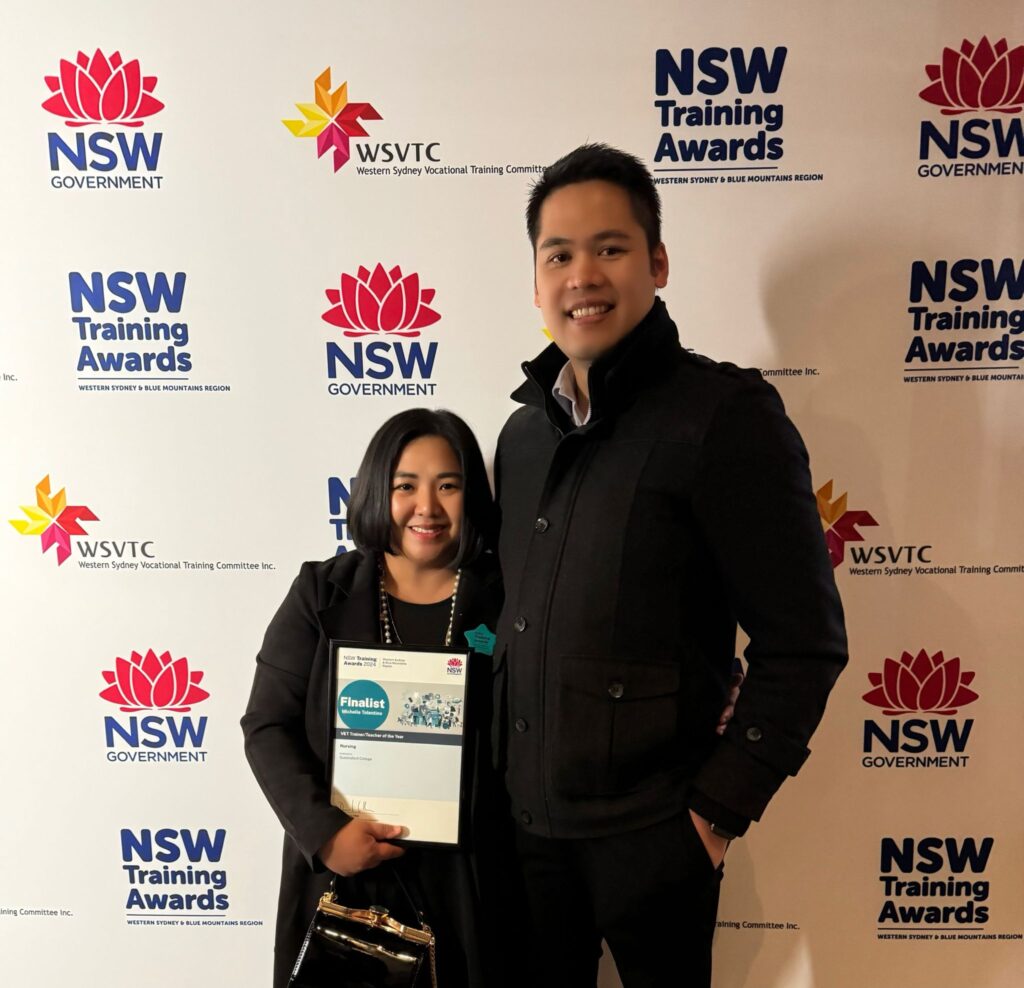
It has earned her commendations, nominations and awards across both clinical and academic work. Characteristically, she keeps studying anyway, treating her own development as unfinished — a stance that doubles as the lesson she’s selling.
Changing the picture
Filipino nurses have long been typecast by a single set of virtues: compassionate, resilient, hardworking. True, and incomplete. Tolentino belongs to a cohort complicating that image — Filipino nurses who are also curriculum developers, assessors, mentors and advocates helping decide what Australian healthcare looks like next.
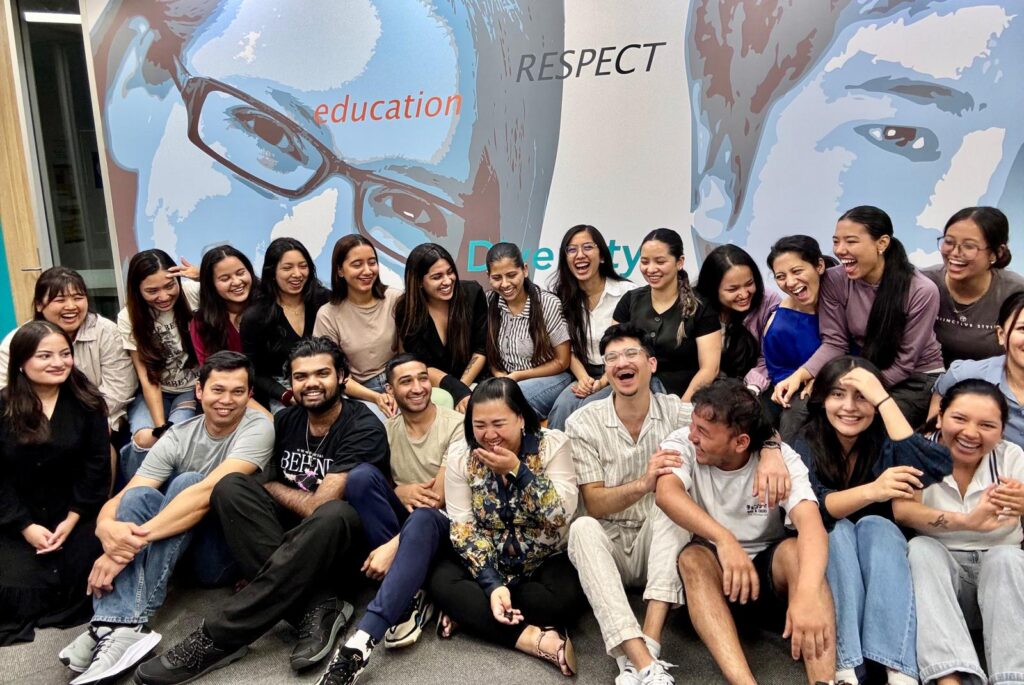
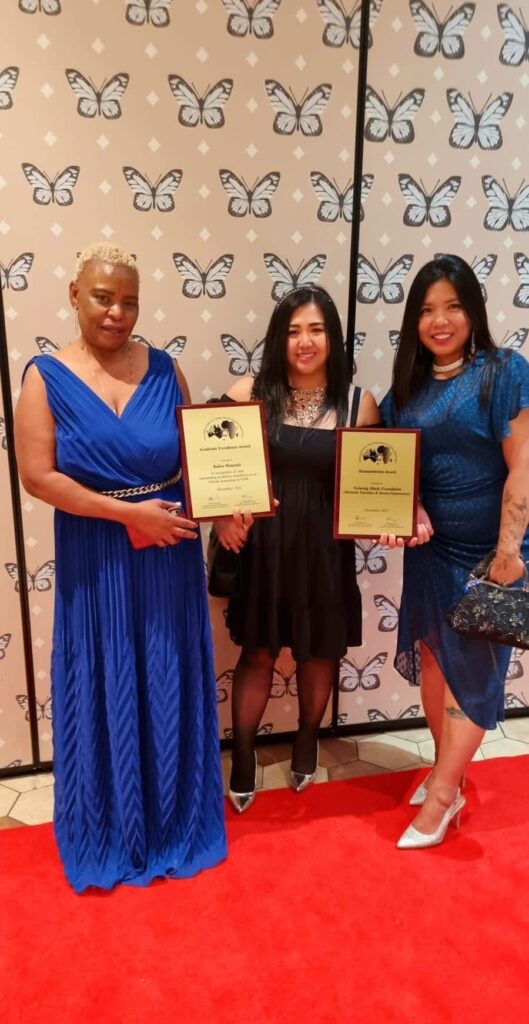
The timing matters. With Australia facing serious healthcare workforce shortages, internationally qualified nurses have shifted from optional to essential, and the educators preparing them carry real weight in the system. Every nurse Tolentino coaches may go on to treat thousands of patients. Every educator she mentors may train a generation more.
Which is the quiet logic of the nickname. She isn’t teaching people to pass a test. She’s handing them back the belief that they belong in the room — one nurse at a time.
