



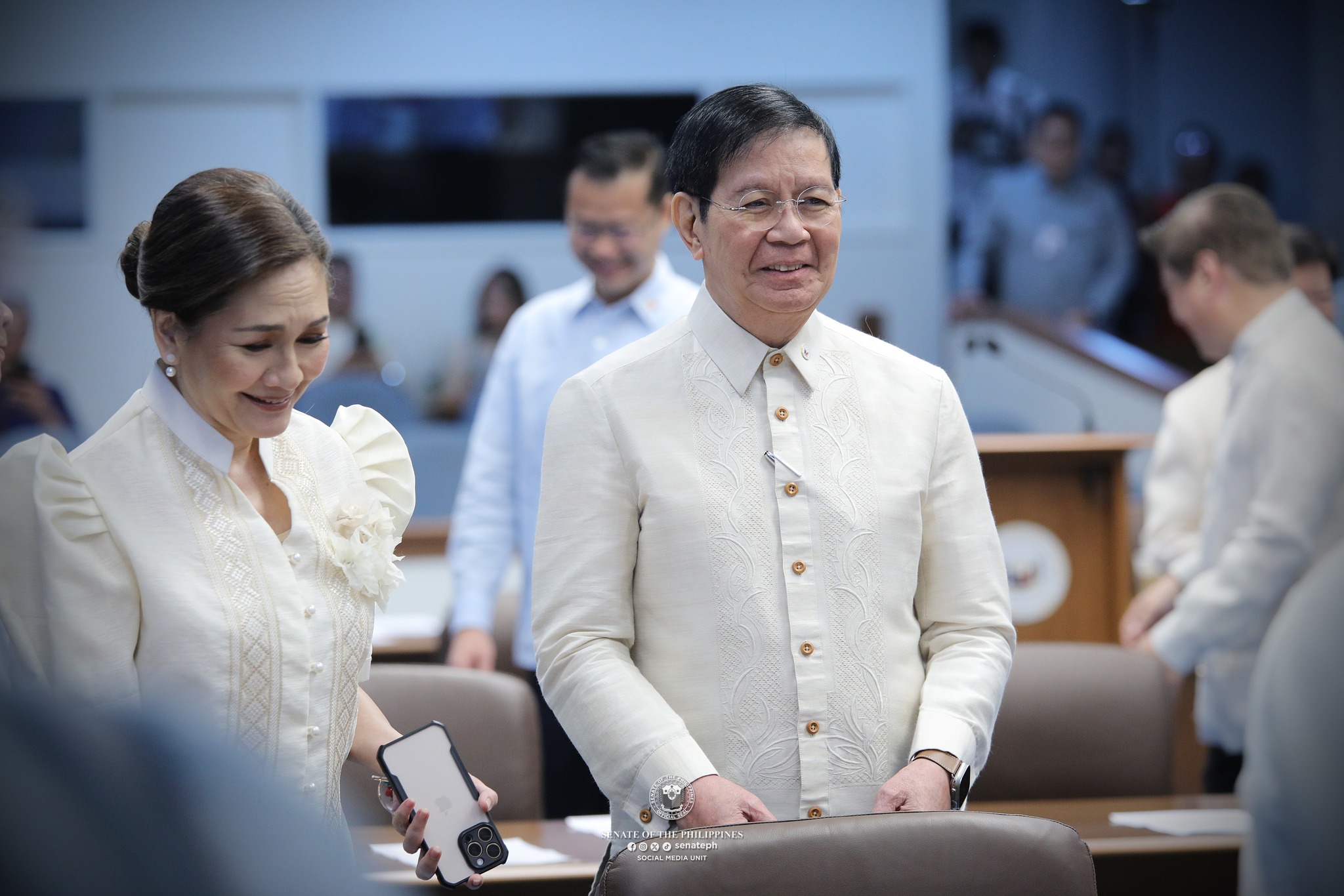

Senator Panfilo “Ping” Lacson pushed back hard Tuesday against a fellow minority lawmaker who questioned why their bloc did not intervene when Senate President Alan Peter Cayetano and Interior Secretary Jonvic Remulla clashed on the Senate floor during the arrest of Sen. Jinggoy Estrada.

The confrontation between Cayetano and Remulla unfolded on the afternoon of June 1, after CIDG operatives arrived at the Senate to carry out a Sandiganbayan Fifth Division warrant against Estrada, who faces a plunder case linked to alleged kickbacks from flood control budget insertions. Cayetano sought to stop the arrest from being carried out inside the chamber, while Remulla pressed forward with the warrant’s implementation.
Sen. Rodante Marcoleta, the Senate Deputy Minority Leader, had suggested that the minority bloc should have at least raised a protest when Remulla raised his voice at Cayetano. “Wala man lang ipinakitang protesta [ang Senate minority], halimbawa, huwag mo naman sisigawan ang Senate President namin,” Marcoleta said.
Lacson was having none of it.
“So, kasalanan pa ng minority bloc na hindi nagprotesta dahil sinigawan ang Senate President natin? [Damn] your damdamin,” Lacson replied.

He went further, suggesting that Cayetano himself should count his blessings that the situation did not turn physical. “Laking pasasalamat nga namin na hindi siya binigwasan ni Sen. Jonvic dahil sa inasal nya kahapon,” Lacson added.
The root of Remulla’s refusal to back down was Cayetano’s argument that senators have historically enjoyed a form of parliamentary courtesy shielding them from arrest within Senate premises — a practice Cayetano traced to former Senate President Jovito Salonga’s time. Remulla cut the argument short by pointing to the recent case of Sen. Ronald “Bato” dela Rosa, who left the Senate after being placed in the chamber’s custody despite an unsealed ICC warrant. “I told him that Sir, I’m sorry. You lost that privilege when Bato escaped,” Remulla said.
Remulla later maintained that the executive branch retains the authority to arrest members of the legislative branch, regardless of the separation of powers between the two branches of government.
Estrada was subsequently brought to CIDG headquarters at Camp Crame, where he underwent standard booking procedures including the taking of mugshots and fingerprints, as well as a mandatory medical examination.
