



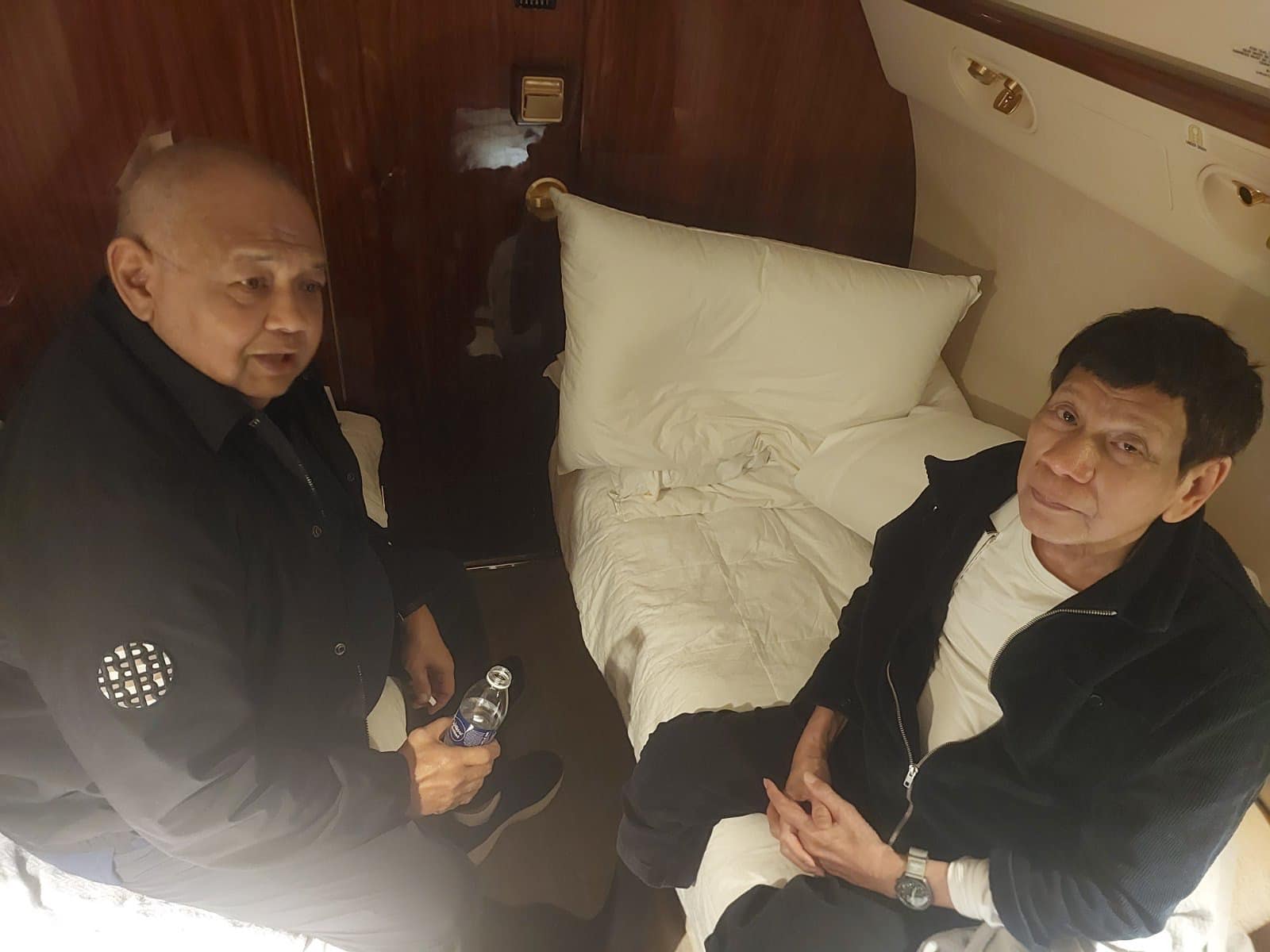

Procedural requirements under the Rome Statute were bypassed when former president Rodrigo Duterte was taken into ICC custody, an international law expert said, with the constitutional implications of that arrest still pending before the Supreme Court.

Melissa Loja, speaking in a The Manila Bulletin report, said Article 59 of the Rome Statute mandates that ICC arrest warrants be executed through a country’s domestic legal processes — a requirement she said was not met in Duterte’s case.
Had the procedure been properly observed, a Philippine court would have been required to verify the identities of arresting officers and the person being arrested, confirm the validity of the ICC warrant, and ensure the accused’s rights were upheld, including access to counsel and the reading of charges. Only after that judicial examination, Loja said, could a transfer of custody have lawfully proceeded.
She said Article 59, read alongside Article III of the 1987 Constitution and the Rules of Court, reflects a foundational principle: that no person may be deprived of liberty except by warrant issued by a judge. Local court review, she said, was a precondition — not a formality.

The failure to follow those steps also foreclosed certain legal remedies for Duterte. Loja noted that compliance with Article 59 would have preserved his access to habeas corpus and domestic appeal mechanisms.
The constitutional questions surrounding the arrest were initially raised before the Supreme Court by Duterte’s son, though Loja noted the timing limited the Court’s capacity to intervene. She also flagged a gap in the ICC proceedings themselves: former lead counsel Nicholas Kauffman had not raised Article 59 as a jurisdictional argument before the tribunal. Whether incoming legal counsel would take up that position remained unclear, she said.
The issue has since gained renewed relevance in connection with Senator Ronald dela Rosa, with Loja saying the Supreme Court may yet be compelled to issue a ruling on the constitutional questions — if only to set a clear standard ahead of any future arrests involving other officials.
On the legislative front, Loja said some senators and dela Rosa’s allies have argued that an active domestic investigation under Republic Act 9851 — the Philippine Act on Crimes Against International Humanitarian Law, Genocide, and Other Crimes Against Humanity — should take precedence under the complementarity principle, which would push ICC jurisdiction aside.
