



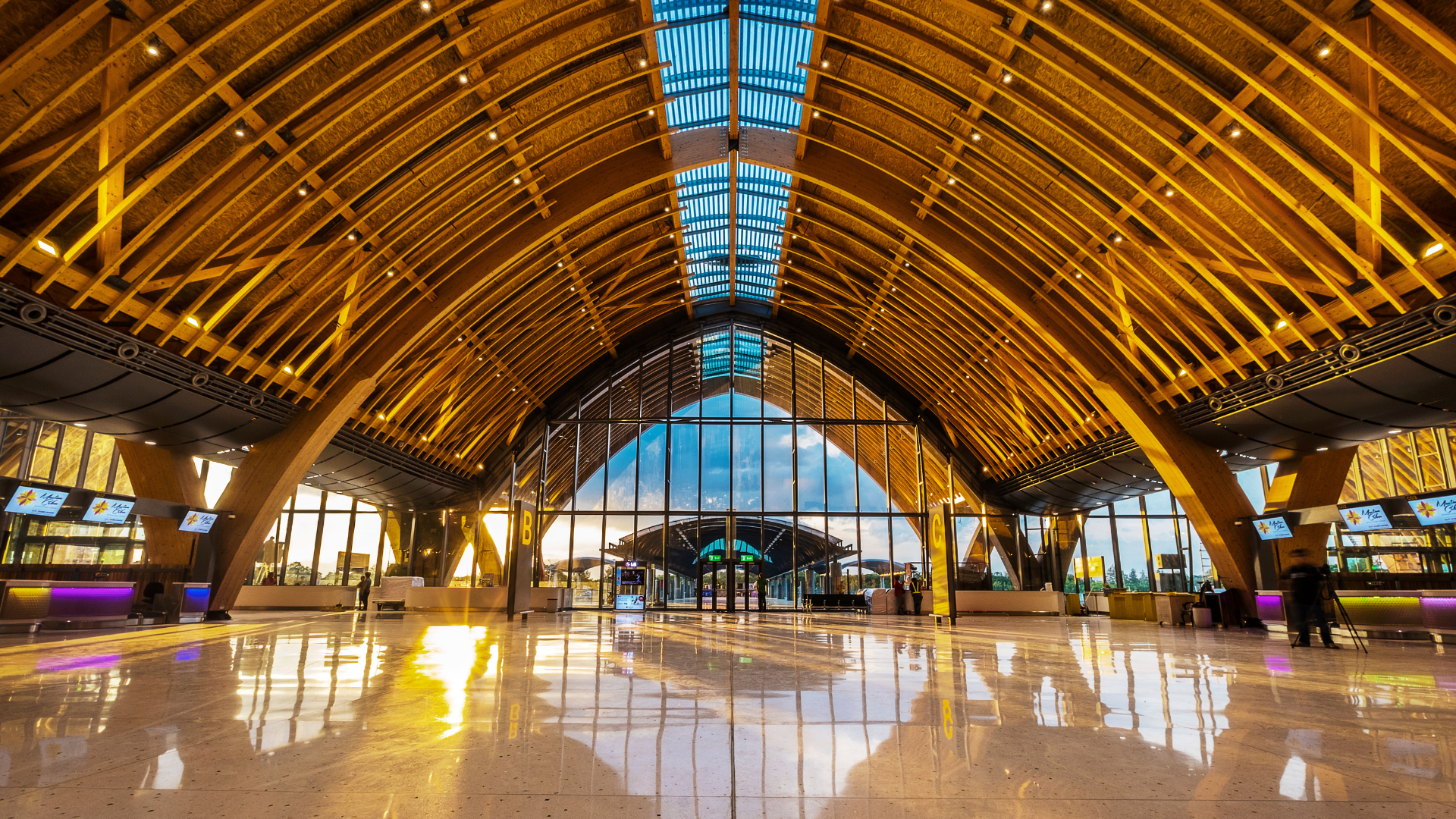

Safety upgrades, a robust flight network, and a streamlined transfer system are shaping Cebu into the preferred entry point for South Korean visitors to the Philippines.

Mactan-Cebu International Airport records more than 80 weekly flights connecting it to major South Korean cities, giving travelers a range of departure windows and schedules throughout the year. The volume places Cebu among the most accessible tropical destinations in Asia for the Korean market.
A key draw for multi-destination travelers is CEB Connects, the airport’s air-to-air transfer facility that allows passengers to move between international arrivals and domestic departures within a single terminal. Connection times can be as short as 60 minutes, enabling Korean tourists to reach secondary island destinations — Boracay, El Nido, Coron, and Siargao among them — without passing through Manila.

Each of those onward destinations serves a distinct traveler profile. Boracay draws families and group bookings with its calm beachfront setting. El Nido and Coron appeal to divers and couples, the former for its limestone formations and the latter for its lagoons and underwater visibility. Siargao, meanwhile, has built a following around surf culture and low-key boutique accommodation.
Cebu itself is not purely a transit point. The island of Malapascua, a short boat ride from Cebu’s northern coast, is internationally recognized for thresher shark dives and is a regular destination for serious divers. Inland and coastal golf courses provide an alternative for leisure travelers, and the province’s resort inventory covers everything from family-friendly beach properties to spa-focused retreats.
On the safety front, local tourism authorities have moved to reinforce visitor protections specifically aimed at the Korean market. Measures now in place include an expanded Tourist Police Unit presence at major tourist areas, improved emergency response coordination, and anti-scam initiatives targeting resort zones. In a partnership with the Korean Cultural Center, officers in key tourist districts have also undergone Korean language and cultural orientation training.
