



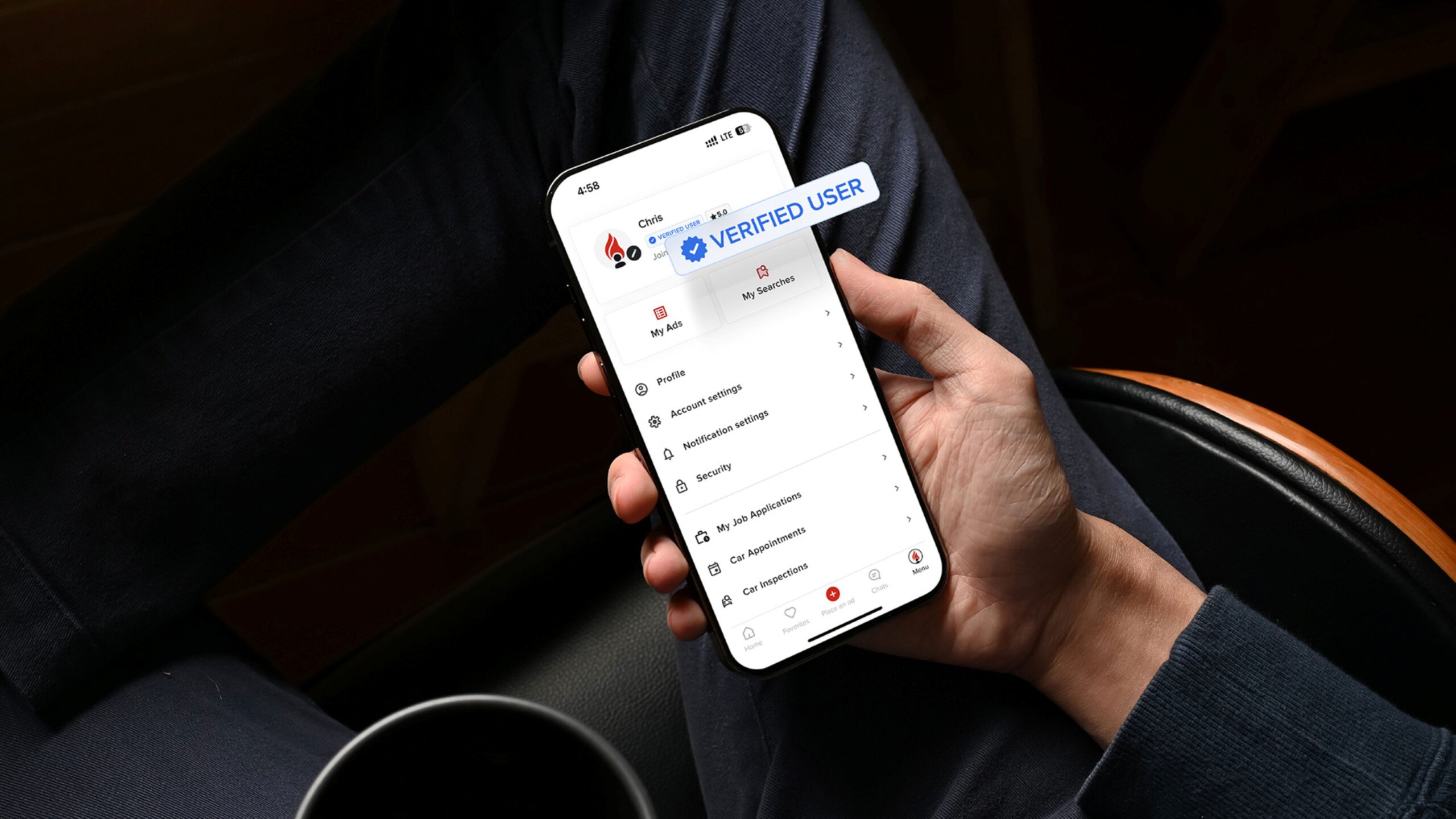

User verification on dubizzle has crossed 660,000 accounts, a figure the platform says reflects growing demand for transparency in online transactions — part of a broader set of safety indicators that improved across its marketplace in the first quarter of 2026.

Scam reports dropped 27% year on year in Q1, while verification applications rose 17.3% over the same period. Suspicious links declined by 33%, account-related issues fell by 78%, and most flagged activity is now resolved within 48 hours. The data, released by dubizzle, points to a marketplace environment where security infrastructure is becoming more embedded in the user experience rather than treated as a backend concern.
“Safety is no longer a background function operating silently within digital platforms, it is becoming embedded within the product experience itself,” said Muneeb Farrukh, Vice President of Product at dubizzle. “Today’s users are far more intentional about where they engage online. Credibility is no longer assumed; it is earned through every interaction.”
Farrukh framed the trend as extending beyond dubizzle’s own platform. “This shift extends beyond any single marketplace. It reflects a broader industry evolution, where trust is no longer a supporting feature, but a core component of how products are designed and experienced.”

The platform has recently added QR code screening and real-time in-chat guidance — tools designed to intercept risk earlier in the transaction process, before disputes escalate. These additions sit alongside existing features such as in-platform messaging and faster content moderation, which together form what dubizzle describes as a more proactive approach to user protection.
“Our focus is simple: to make trust easier to build across the entire user journey,” Farrukh said.
As classifieds platforms handle an increasing volume of everyday transactions in the UAE, the metrics suggest that safety performance is emerging as a competitive differentiator — one that informs not just how users experience individual platforms, but how the broader digital commerce ecosystem builds long-term credibility.
