



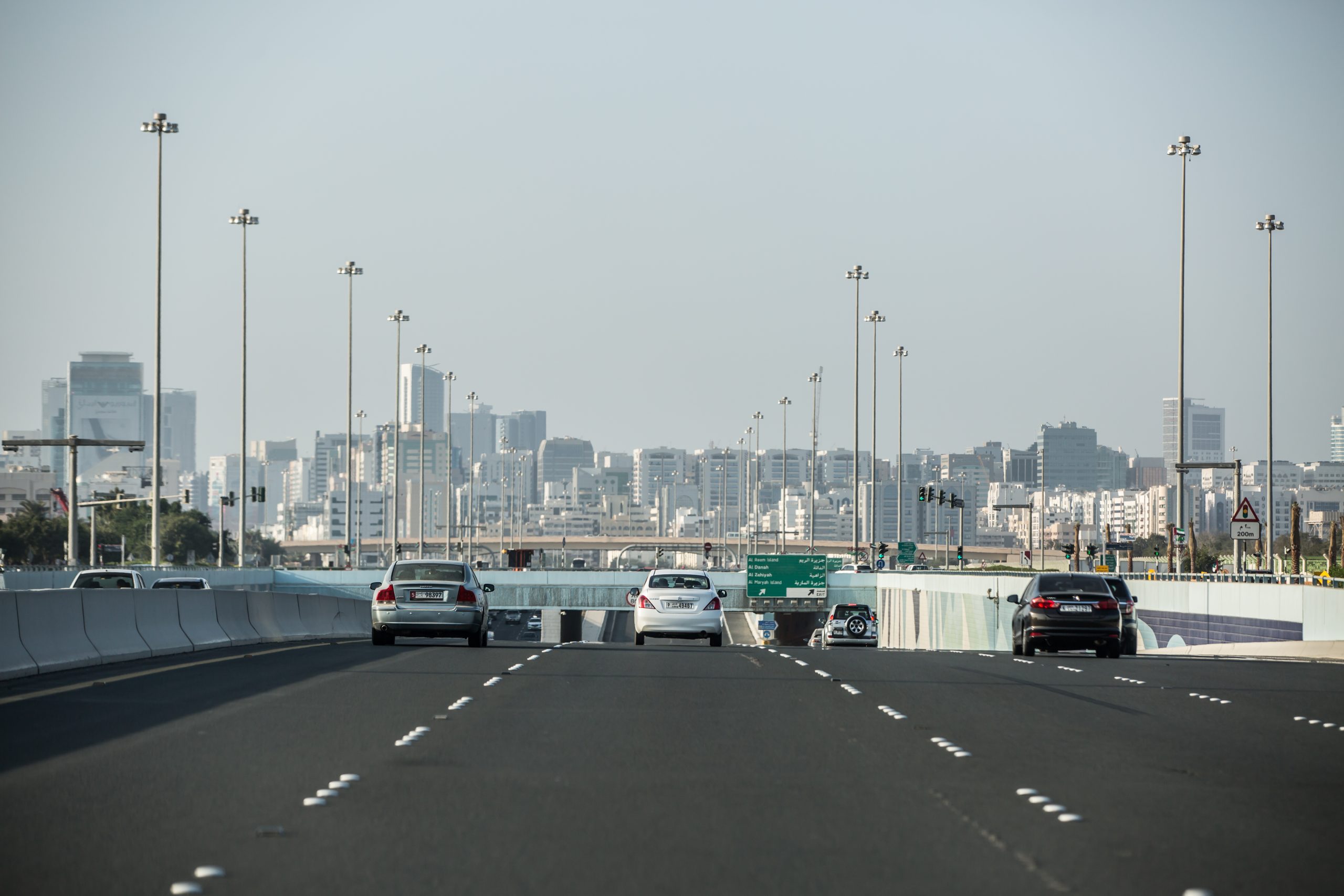

Abu Dhabi’s emergency response vehicles are now equipped with technology that communicates directly with traffic signals along their routes, triggering green lights from as far as 400 metres ahead, officials from the emirate’s Civil Defence disclosed during Gulf Traffic Week on Monday.

The system, which has already been installed on ambulances, fire trucks, and police patrols, was introduced last year to shorten response times while minimising disruption to other motorists. Authorities said the rollout across the full fleet is planned.
“The system communicates with the traffic signal on the vehicle’s route from a range of 400 metres… and opens the route for the emergency vehicle,” a Civil Defence official told reporters at a media briefing, as reported by Khaleej Times.
Road fatality data presented during the same events showed broader progress. Speed-related traffic accidents in Abu Dhabi declined from 15 per cent of total crashes in 2019 to 9 per cent currently — a shift officials attributed to sustained enforcement and infrastructure improvements. Since 2011, road deaths across the emirate have dropped by 73 per cent, with serious injuries down 18 per cent. Abu Dhabi now ranks first in the Middle East and North Africa and eighth globally for lowest road fatality rates per 100,000 people.
Weather-induced accidents have also seen significant reduction. After a 76-vehicle pile-up caused by fog last year, Abu Dhabi deployed a smart road-safety system capable of detecting adverse conditions — including fog, rain, and dust — in real time. The system automatically lowers speed limits on affected road sections and sends alerts to drivers in those areas.

“We implemented the system after studying the incident and looking for a fundamental solution,” an Abu Dhabi Police official said. “It sends warnings to road users in affected areas, and speed limits are reduced automatically… accidents caused by weather conditions dropped by 50 per cent.”
Pedestrian safety figures released by the Integrated Transport Centre showed that run-over accidents fell from 18 per cent of total accidents in 2023 to 13 per cent in 2025, while pedestrian deaths and injuries dropped from 13 per cent to 11 per cent over the same period. Two pedestrian bridges have been completed in Al Sila and Al Mafraq, with 24 additional bridges under construction. On Abu Dhabi Island, four signal-controlled pedestrian crossings are now operational, while 16 are being built in Al Ain and 31 smart crossings are in the pipeline.
Looking ahead, officials said artificial intelligence will be integrated into the emirate’s road safety framework to anticipate where accidents are most likely to occur before they happen.
“We will develop programmes in artificial intelligence to predict where accidents are most likely to happen and create proactive plans to address them,” an official said.
Abu Dhabi has set a target of ranking among the world’s five safest road jurisdictions by 2030.
