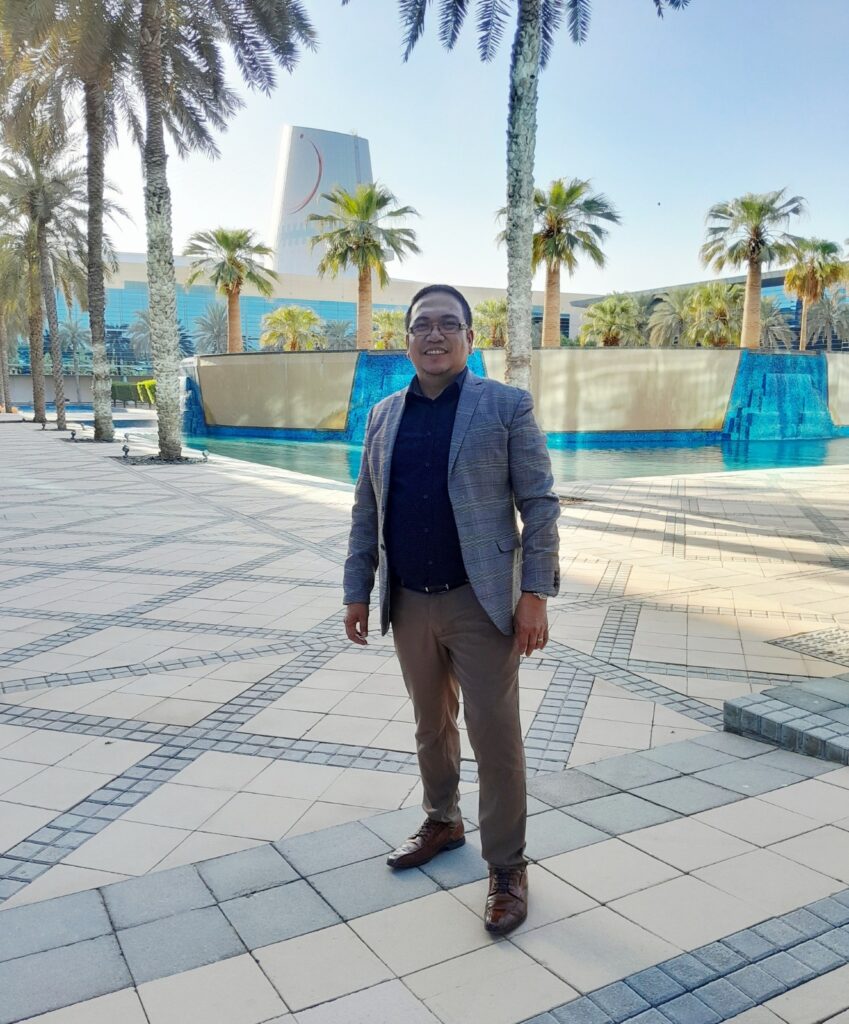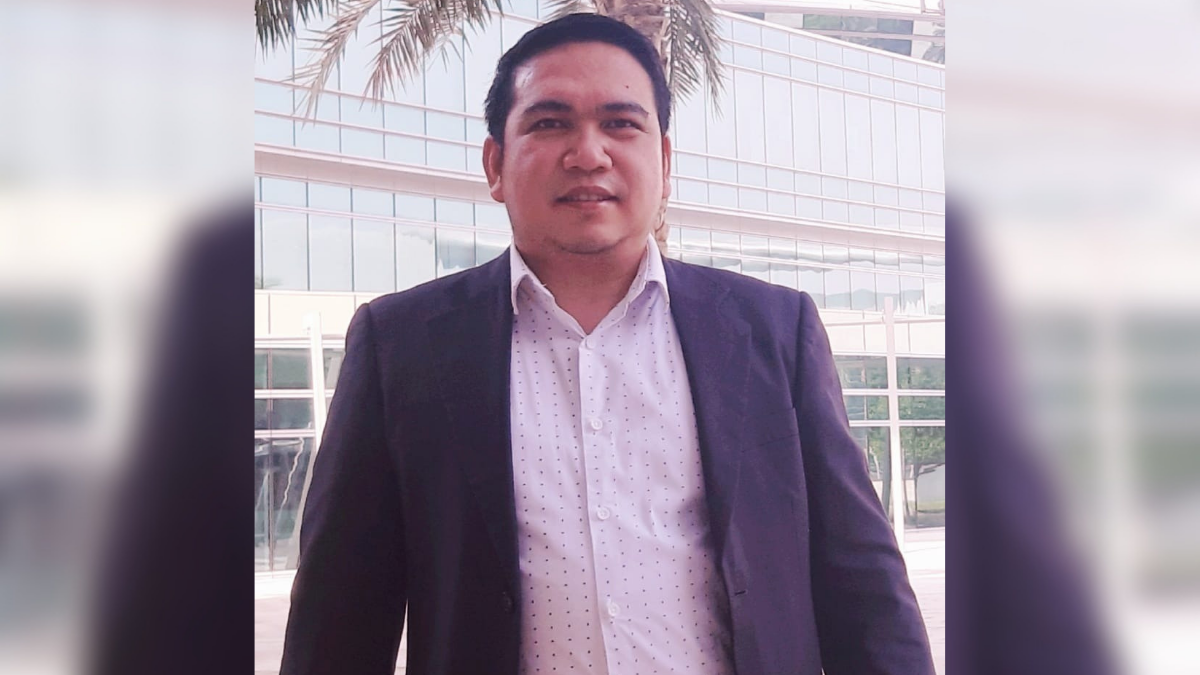

He missed the birth of his children. He was thousands of kilometres away when they took their first steps, blew out their first birthday candles, said their first words — and he chose to be there anyway, because being there meant something different when you were an OFW. It meant being present in the only way that counted from a distance: working, saving, and building a future they could all come home to.

Edmund D. Evangelista, Ph.D., FHEA, knows this calculus better than most. The 46-year-old Assistant Professor at Zayed University in Abu Dhabi has spent nearly two decades across three countries — Oman, Kuwait, and the UAE — carrying the particular weight that comes with choosing your family’s tomorrow over their today.
A software engineer walks into a classroom
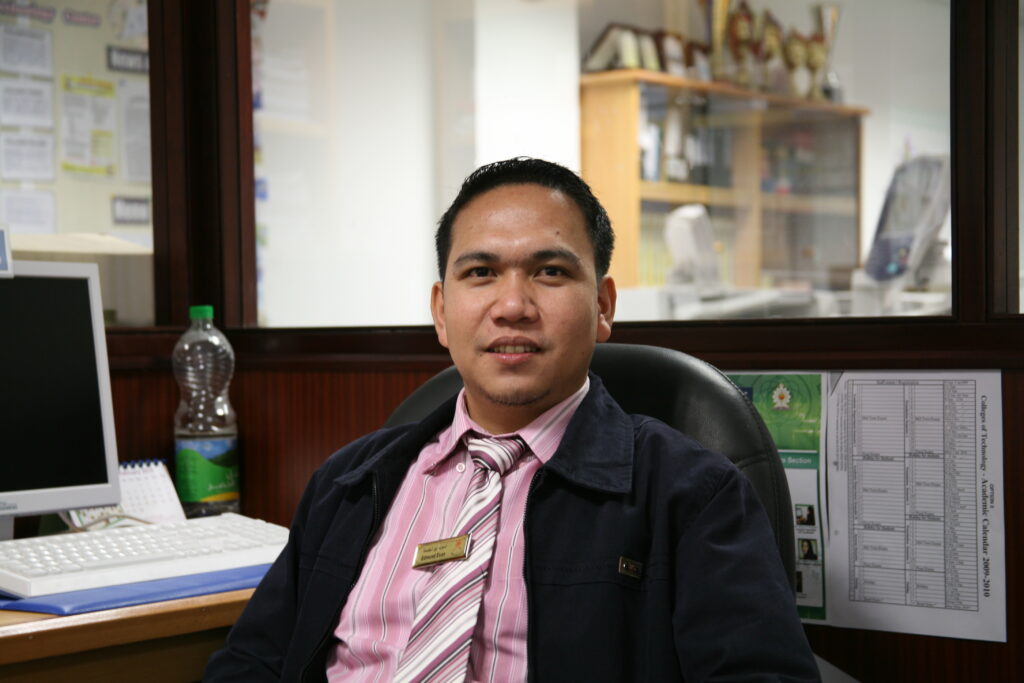
It started, as many OFW stories do, with a practical decision. In September 2009, Evangelista left the Philippines for Oman at 29 years old, stepping into his first overseas role as a Software Engineer. He had already been teaching in Philippine universities — the University of Saint Louis, Saint Mary’s University, Cagayan State University — and he had a clear intention behind the move: to gather real-world industry experience and bring it back to his students.
“Having served as a Software Engineer in Oman and a Web/Moodle Developer in Kuwait, I have been able to provide my students with a unique blend of practical and academic expertise,” he says.
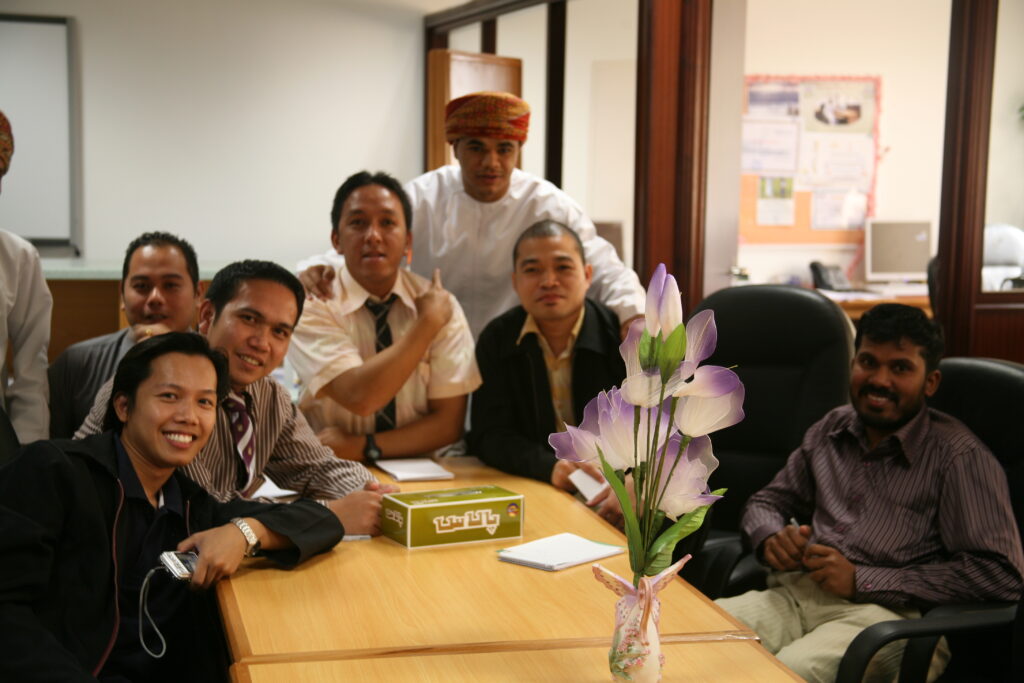
Seven years at the University of Technology and Applied Sciences in Oman. Four more at Gulf University for Science and Technology in Kuwait. By the time he arrived at Zayed University in 2020, Evangelista had accumulated something rare — the credibility of a practitioner and the rigour of an academic. He is now among a small number of Filipino academics, and among very few Southeast Asian educators, at one of just three government-owned higher education institutions in the UAE.
He completed his Ph.D. in Information Technology in 2019 — while working full-time. Somewhere between countries, job transitions, and missed milestones at home, he found the time.
What staying grounded actually looks like
The professional accolades are considerable. Evangelista holds Fellow of the Higher Education Academy (FHEA) status and has secured major research grants, including a AED 300,000 project focused on mental wellness. He designs ethical AI policies and knowledge-sharing systems, and his work on “Policy-as-Code” frameworks sits at the intersection of artificial intelligence and public good.

But ask him what he finds most satisfying, and he doesn’t reach for any of that.
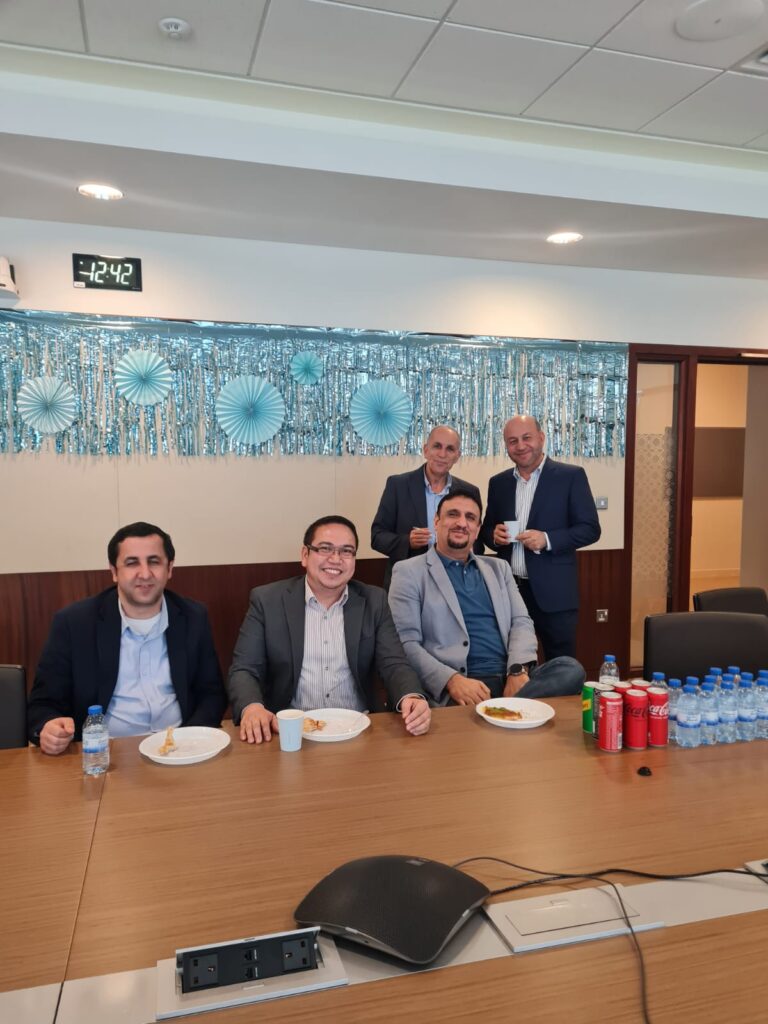
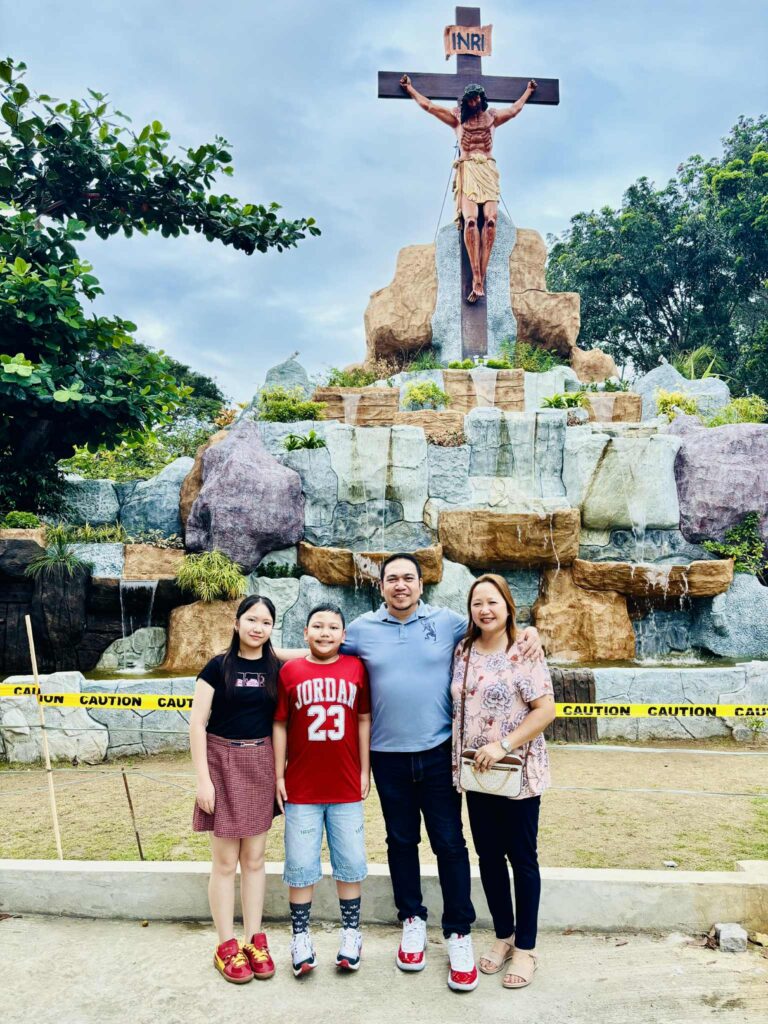
“There is an immense sense of fulfillment in receiving warm greetings and smiles from my former Emirati students who have now graduated and moved on to lead their own departments in the government or manage their own businesses,” he says. “It is incredibly satisfying when they visit me personally to express their gratitude, sharing how the skills they mastered in my class helped shape their successful futures.”
It is, in many ways, the same instinct that drove him abroad in the first place — the desire to equip people with tools they’ll carry long after the lesson ends.
Making money work for the people who earned it
Outside the lecture hall, Evangelista has built a second vocation around financial literacy for OFWs. He trades on the stock market and is an active presence on financial Facebook groups, where he spends his free time helping fellow overseas Filipinos understand how to invest in stocks, bonds, mutual funds, and variable unit-linked products. A free, open-access version of his previous investing ebook is currently in progress, aimed at guiding OFWs through opening accounts with registered institutions like COL Financial.
“Make your money work for you by saving and growing your hard-earned income through legal and registered financial instruments,” he advises. “Avoid vices and unnecessary lifestyles that drain your resources.”

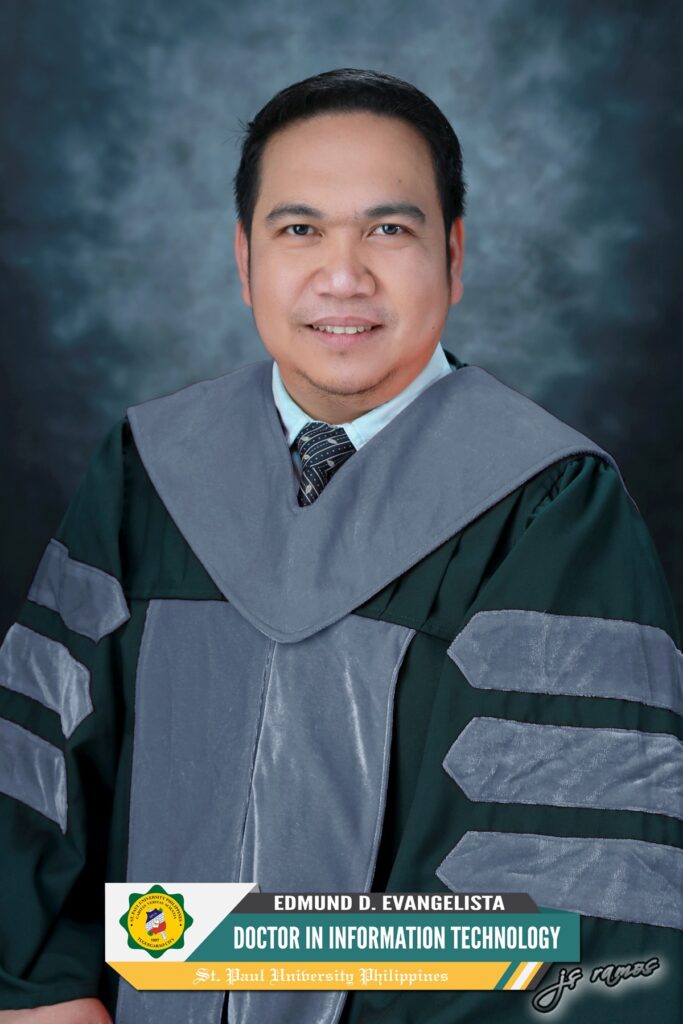
It is advice shaped by discipline — and, one suspects, by watching too many kababayans spend seventeen years abroad and return with little to show for it.
His mantra cuts straight to the point: No matter how high you rise, stay grounded; no matter how hard it gets, keep going.
For a man who earned a doctorate between continents, built a research career while raising a family from afar, and still finds time to teach strangers how to invest — it reads less like inspiration and more like autobiography.