



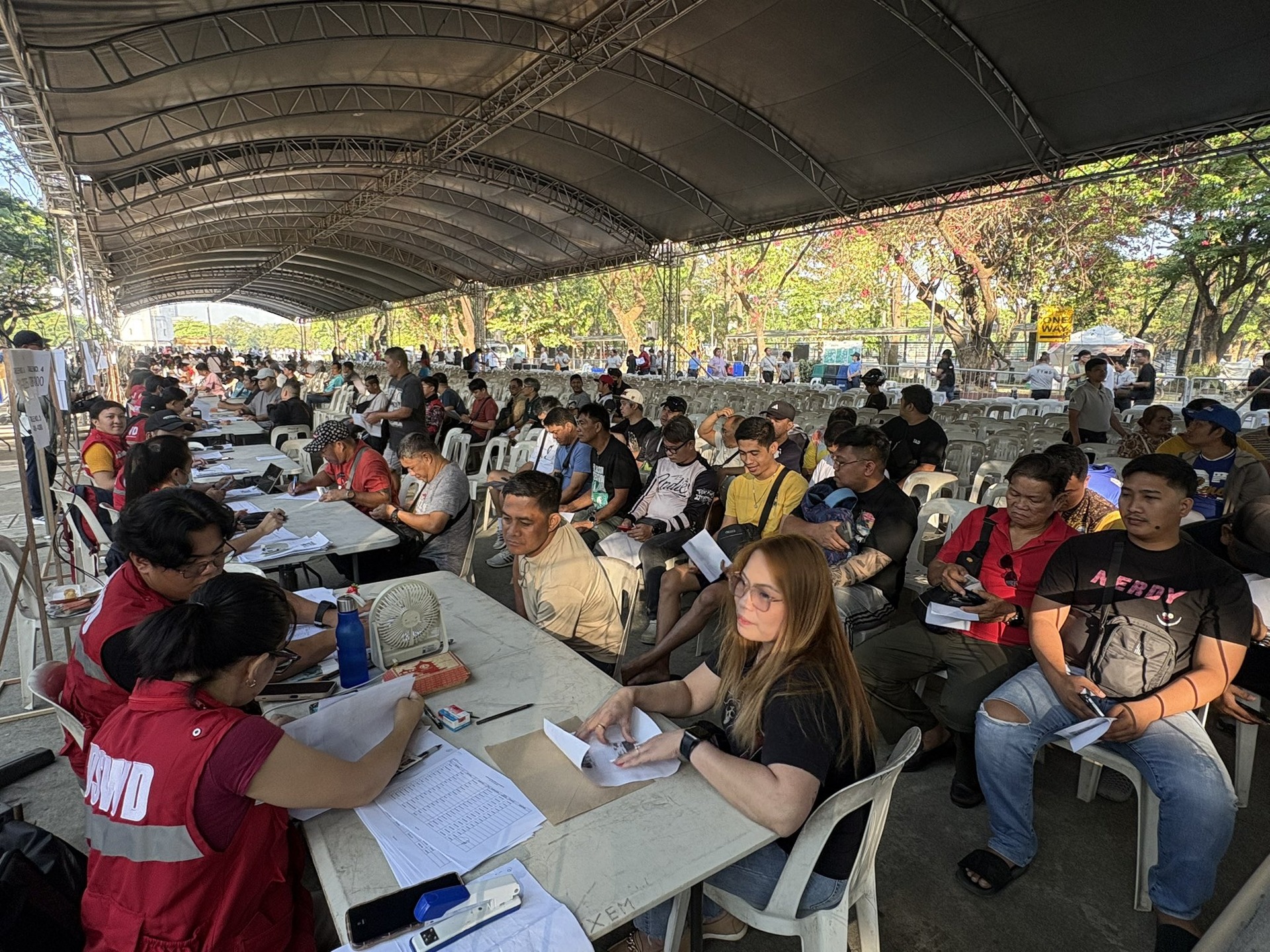

A motorcycle taxi driver suffered a fatal heart attack on Saturday, April 18, while queuing for his government fuel subsidy in Quezon City — a death that has drawn renewed scrutiny over how the aid program is being administered.

The victim’s brother identified a heart attack as the likely cause of death. The Department of Social Welfare and Development said it moved quickly after receiving word from its Quezon City response team, coordinating with the hospital, the driver’s family, and his employer within the same day.
“Assistance has been extended for hospital expenses, funeral and burial arrangements, transportation for family members, and the continuing education of his daughter,” the DSWD said in a statement.
Transport leaders say the incident reflects a deeper problem with how government aid reaches drivers. Melencio Vargas, president of ALTODAP, argued that the current system strips drivers of their dignity — forcing them to spend hours under the heat waiting for relatively small handouts.
“Wag nang magbigay ng mga ayuda sa mga driver parang namamalimos lang kami eh, pipila ka ng isang ara, isang araw ang mawawala sa iyo. Tapos bibigyan ka ng ayuda sa init ng araw… sana ilagay na lang sa mga oil companies para makinabang po kami,” Vargas said in a DZMM interview Sunday.
His comments came as hundreds of motorcycle taxi and delivery riders in Caloocan City began forming lines as early as 1:30 am Sunday to claim their share of the subsidy. Advocacy groups have proposed routing assistance directly through oil companies to bring down prices at the pump instead.

That call aligns with a statement from President Ferdinand Marcos Jr., who on Saturday pressed oil firms to implement next week’s fuel rollback without delay or reduction.
“At sa ating mga oil companies, malinaw naman ang aking panawagan, ipatupad ninyo ang rollback nang buo, tama, at walang pagkaantala. Ibigay ninyo sa taumbayan ang dapat naman na nasa kanila,” he said.
Fuel prices have continued to ease for a second consecutive week, partly tied to a two-week ceasefire between the United States and Iran. But international relations scholar Renato de Castro cautioned against reading too much into developments at the Strait of Hormuz, noting that global oil markets are more closely tracking the status of US-Iran diplomatic talks.
“So, a more important diplomatic signal, I believe, that the global market has taken into account is the continuation of the negotiation… The global market is taking its signal from the ongoing negotiation, not from what’s happening at the Strait of Hormuz,” he said.
De Castro pointed to a more fundamental vulnerability: the Philippines operates only one oil refining facility and remains heavily dependent on imported refined fuel rather than processing crude oil domestically — a structural gap that neither weekly price rollbacks nor one-time subsidies can address.
