



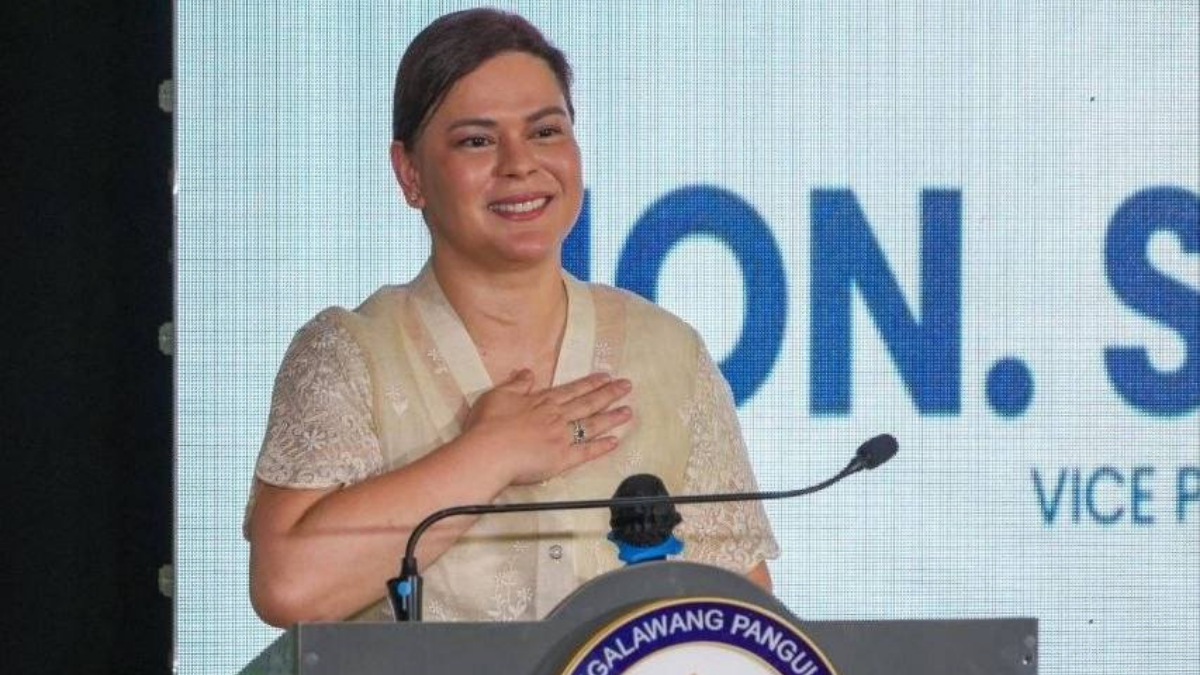

A third legal challenge has landed before the Supreme Court in an effort to derail the impeachment proceedings against Vice President Sara Duterte, as the House committee on justice prepares to resume its hearings next week.

The petition, filed Friday, was brought by 14 individuals including former Commission on Higher Education commissioner Ronald Adamat, members of the One Bangsamoro Movement, and a group of lawyers led by Jerryl Rondez-Layog. They are seeking either a temporary restraining order or a writ of preliminary injunction to suspend the ongoing House proceedings.
At the center of the petitioners’ argument is the claim that not all members of the House were given copies of the impeachment complaints—a procedural failure they say renders the entire process constitutionally invalid.
“The constitutional condition for informed plenary participation is absent,” the petition stated.

The filing further argued that the referral process was tainted by grave abuse of discretion, contending that it “converts what Duterte recognized as a deliberative constitutional stage into a hollow procedural passage controlled by officers rather than meaningfully owned by the House as a whole.”
The bid faces an uphill climb. The Supreme Court has already declined to issue a restraining order on an earlier petition filed directly by Duterte, and has since consolidated all related petitions, directing the House justice committee to submit its comment within 10 days. That earlier petition was filed alongside a separate one by Duterte’s lawyer, Israelito Torreon.
With no court-ordered suspension in place, the committee has continued its work and is scheduled to take up evidence, witnesses, and memoranda when hearings resume on April 14.
Two of the four original impeachment complaints remain alive before the committee—the first having been dismissed under the one-year bar rule, and the second withdrawn by its own sponsors. The surviving complaints carry allegations of confidential fund misuse, bribery, and culpable violation of the Constitution, echoing charges first raised in 2025.
