




Philippine Energy Secretary Sharon Garin has moved to temper public expectations following Manila’s diplomatic breakthrough with Tehran, stressing that the newly secured passage arrangement through the Strait of Hormuz addresses risk — not price relief.

The Department of Energy confirmed the government had obtained what it described as “safe and preferential access” through the strategic waterway, days after the Department of Foreign Affairs announced that Iranian Foreign Minister Abbas Araghchi personally assured Foreign Secretary Ma. Theresa Lazaro that Philippine-flagged vessels, energy shipments, and Filipino seafarers would be permitted to transit without obstruction or fees.
Garin, however, drew a firm line between supply continuity and affordability. Pump prices, she said, are not expected to drop as a direct result of the arrangement, and the deeper structural challenges facing the country’s energy sector remain unresolved. What the deal does, in her framing, is reduce a specific layer of exposure at a moment when that alone carries considerable value.
“This is risk management, because in a time of global tension, risk reduction is already a meaningful gain,” Garin said. “It helps ensure continuity of supply and stability, especially at a time when further disruptions could significantly affect our economy and our people.”
She was equally direct about the arrangement’s boundaries. “For clarity: This is not a perfect solution, and it does not eliminate all risks,” Garin said, signaling that the DOE views the Hormuz access as one component of a broader strategy rather than a resolution to the crisis.

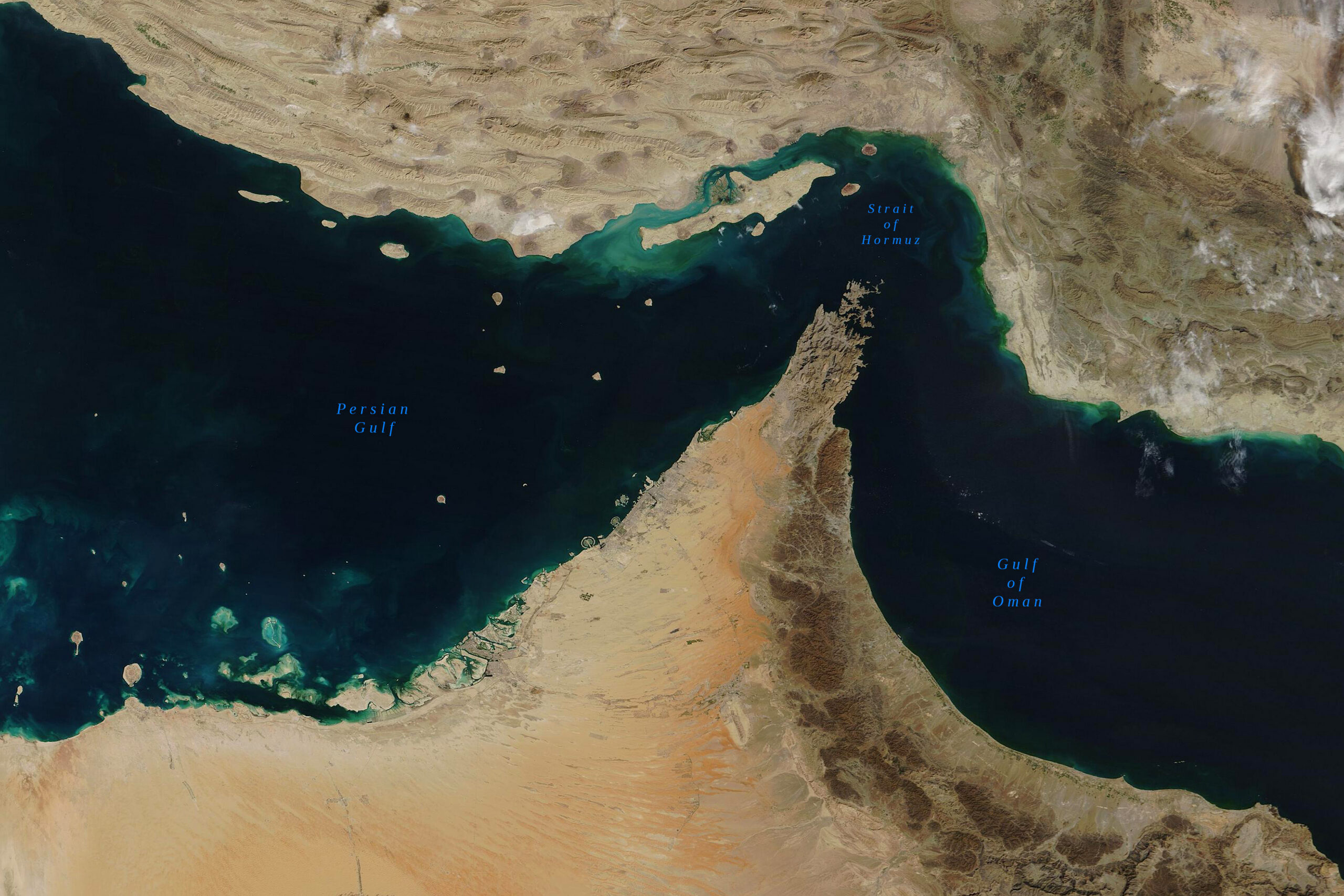
The Strait of Hormuz has been effectively shut to broad commercial traffic since late February, when the United States and Israel launched coordinated strikes on Iran. Tehran responded by restricting vessel passage, triggering what analysts have described as the most severe disruption to global energy supply since the 1970s. Around 20 percent of the world’s seaborne oil trade flows through the narrow waterway.
Iran has since extended selective passage rights to countries it considers non-belligerent, including China, Russia, India, Pakistan, Iraq, Malaysia, and Thailand — with the Philippines added to that list on April 2 following the Lazaro-Araghchi call.
The humanitarian dimension of the deal is also significant. Over 20,000 Filipino seafarers had been stranded in the region amid the disruptions, and the arrangement covers their safe repatriation as well.
Garin said the DOE remains committed to keeping the public informed with accurate and timely updates as the situation develops.
