



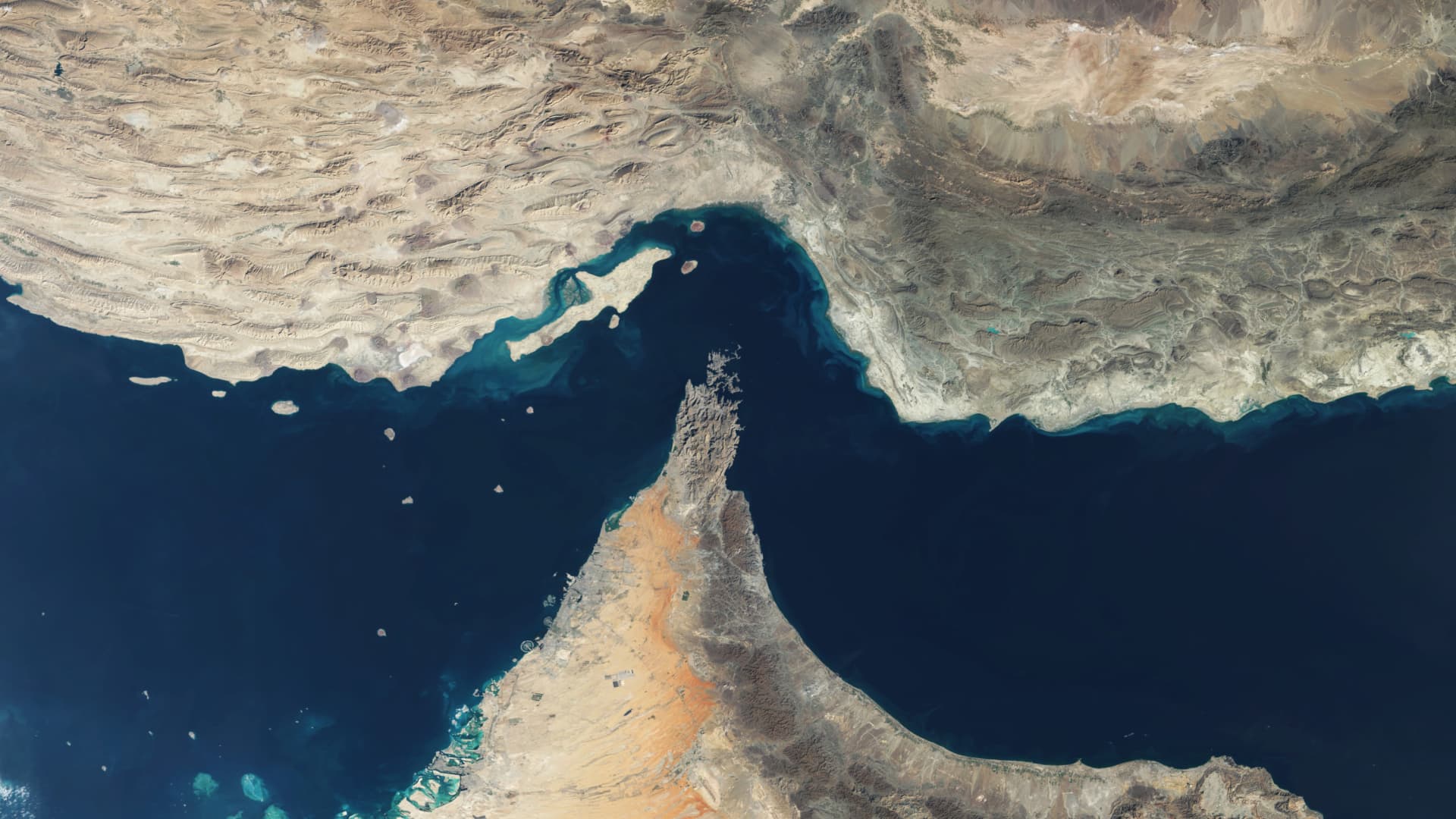

Iran has pledged to let Philippine-flagged ships, oil and fertilizer cargoes, and Filipino crew members transit the Strait of Hormuz freely — a development that could ease a supply crunch that has gripped the Philippines since early March.

The assurance came through a phone conversation on Thursday, April 2, between Iranian Foreign Minister Seyed Abbas Araghchi and Philippine Foreign Affairs Secretary Theresa Lazaro. According to a Department of Foreign Affairs statement, Araghchi told Lazaro that Tehran would permit “the safe, unhindered, and expeditious passage through the Strait of Hormuz of Philippine-flagged vessels, energy sources, and all Filipino seafarers.”
The Philippines is acutely exposed to disruptions in the strait. The country sources roughly 98% of its crude oil from the Middle East, leaving it with limited alternatives when the waterway was effectively shut down following US airstrikes on Iran on February 28. In the weeks since, oil prices have climbed and supply chains have tightened.

Lazaro framed the commitment as essential, saying it would “not only ensure the safety of Filipino seafarers operating in the area but will also help ensure energy security for the country.” The DFA added that the Iranian assurances would “greatly facilitate the steady delivery of critical oil and fertilizer supplies to the Philippines.”
The Philippines joins a group of countries Iran has separately granted passage, including China, Russia, India, Iraq, and Pakistan — nations Araghchi publicly identified on March 26 as being permitted through the strait. The common thread appears to be Iran’s classification of those states as non-belligerent in its standoff with the United States.
That standoff has put Manila in an awkward position. Washington — the Philippines’ sole treaty ally and its primary security partner in the South China Sea — initiated the strikes that set off the blockade. A sustained US military effort to reopen the passage has not yet succeeded in restoring normal shipping traffic through the strait.
