



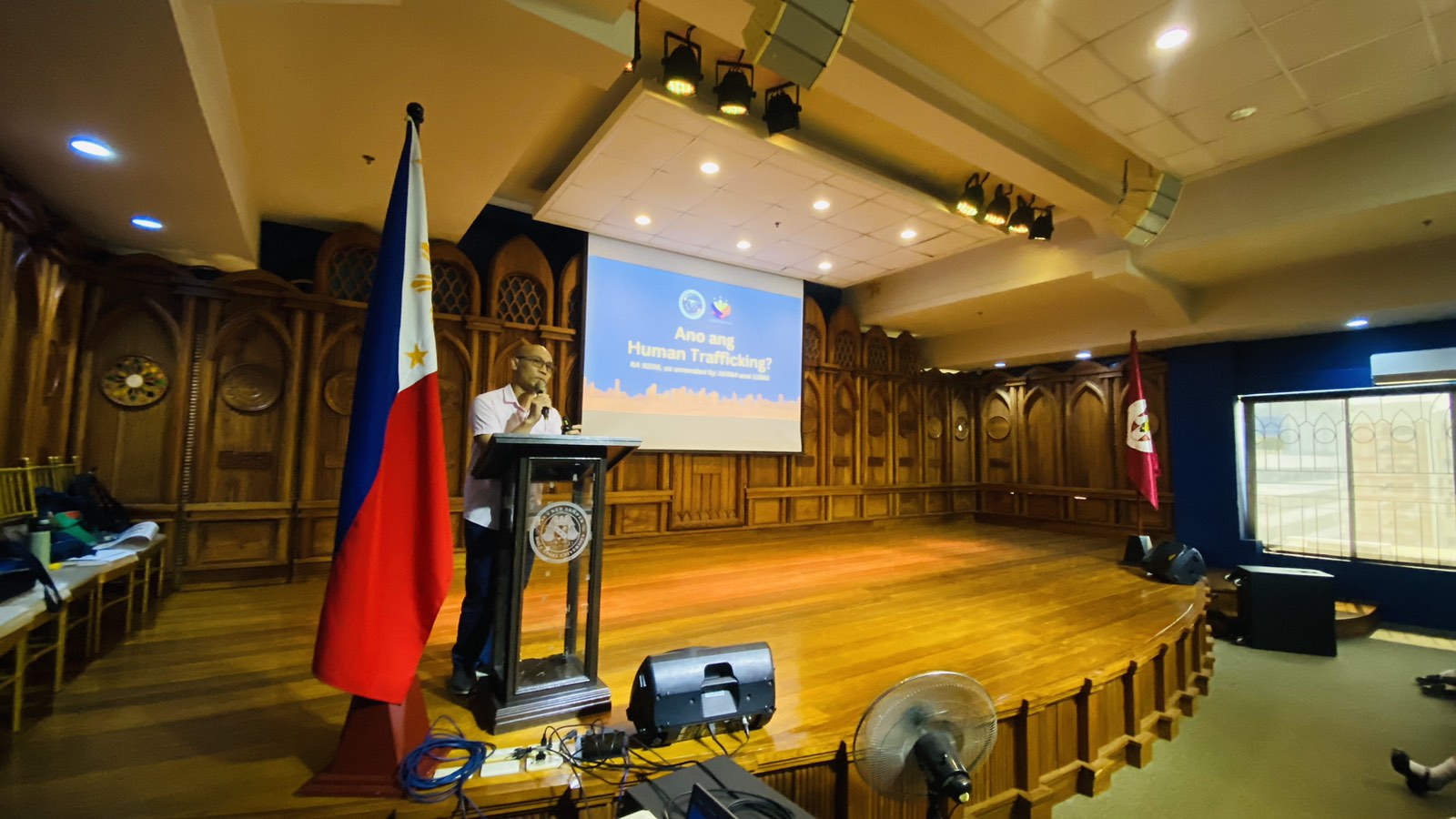

A legal empowerment forum held last month at the Philippine Embassy in Bangladesh has put a spotlight on a growing strategy within the Philippine government: turning overseas Filipinos into active participants in the fight against human trafficking rather than passive beneficiaries of protective programs.

The March 16 webinar, which focused on family law, divorce, and child custody issues facing Filipinas in cross-border marriages, drew participants from the Filipino communities in Bangladesh and Sri Lanka — two relatively small but high-risk diaspora populations the Commission on Filipinos Overseas (CFO) has flagged for closer attention.
Ivy Miravalles, who heads the CFO’s Migrant Integration and Education Division, made the case for reframing how the government views Filipinos abroad. “The Filipino diaspora provides vital remittances, but when equipped by advocates, they serve as first responders,” she said. “By arming our citizens abroad with the skills to recognize coercive control and online exploitation, they can effectively mobilize volunteers and offer critical support to survivors of trafficking and cross-border marriage scams.”
The CFO’s push into South Asia is grounded in its membership in the Inter-Agency Council Against Trafficking (IACAT), under which it handles the pre-migration phase of anti-trafficking work. That mandate covers screening Filipinos — especially those entering cross-border marriages — for exposure to mail-order spouse schemes and labor trafficking arrangements disguised as domestic work.

The Filipino community in Bangladesh numbers around 3,000, with a comparable figure in Sri Lanka. The two communities are concentrated largely in garment manufacturing, international NGOs, and hospitality. The increase in cross-national marriages in the region has made legal protections around domestic exploitation and child custody rights increasingly urgent.
Barrister Shajib Mahmood Alam of the Supreme Court of Bangladesh addressed the forum as well, outlining what protections Bangladeshi law currently extends to foreign nationals in the country.
The webinar also surfaced a potential formal arrangement between the Embassy and the CFO. Philippine Ambassador to Bangladesh Leo Tito Ausan Jr., represented at the event by Ambassador Nina Cainglet, expressed support for a Memorandum of Understanding that would create a standing framework for cooperation on safe migration and migrant welfare services.
