



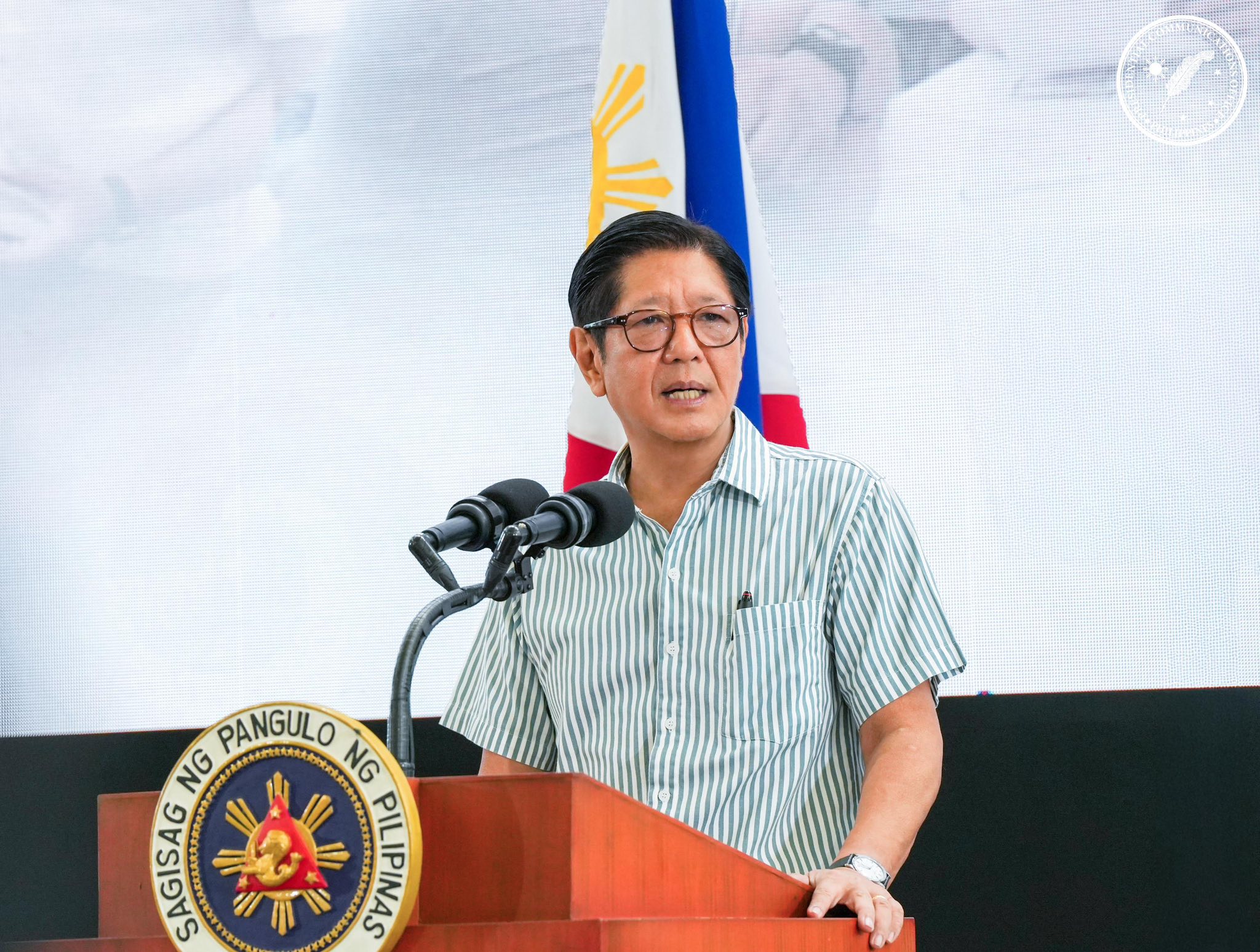

The Marcos administration has moved to cushion the Philippine economy from the ripple effects of the ongoing Middle East conflict, directing the release of P21.47 billion for infrastructure work, fuel subsidies, and outstanding project obligations.

Budget Secretary Rolando Toledo announced the fund release Thursday, describing it as a deliberate effort to keep government services and construction projects running at a time when rising oil prices are pressing down on household and transport costs.
The bulk of the funds — P18.65 billion — goes to the Department of Public Works and Highways to keep nationwide infrastructure projects moving. The release is intended to sustain employment on project sites, improve road conditions, and prevent disruptions to economic activity across regions.
Drivers and transport operators feeling the squeeze from higher fuel prices will see some direct relief through a separate P2.49 billion allocation to the Department of Transportation, earmarked for the Fuel Subsidy Program.
“At a time when global headwinds are pushing fuel prices up, it is critical that we step in where it matters most — supporting our drivers, protecting commuters, and ensuring that no Filipino is left to carry these challenges alone,” Toledo said.

An additional P324.36 million was set aside to settle overdue payments on foreign-assisted infrastructure projects under DPWH, a move aimed at keeping those undertakings on schedule.
Toledo framed the overall release as a direct response to external pressures now being felt at the household level.
“Every peso we release is meant to ease a burden, sustain a livelihood, or keep a service running for our people — especially at a time when global events beyond our control are affecting daily life here at home,” he said.
The DBM said the funds were fast-tracked on orders from President Ferdinand Marcos Jr., with the administration citing the need to act ahead of any further escalation in global fuel markets.
