



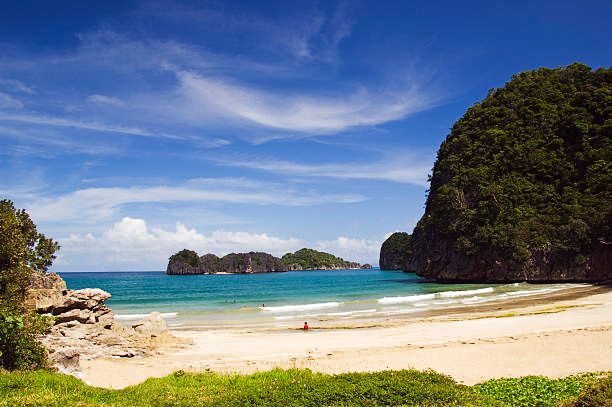

If you believe the Philippines’ most breathtaking beaches belong only to the famous shores of Boracay, Cebu, or Palawan, think again. At the far southern tip of the Bicol Region lies a destination that rivals these celebrated islands—yet remains peaceful, pristine, and refreshingly untouched. Here, powdery white sand meets turquoise waters, limestone cliffs guard secluded coves, and time seems to slow to the rhythm of the sea.

Welcome to the enchanting Caramoan Peninsula—often called the “Hidden Paradise of Bicol.”
Nature’s untouched sanctuary
In the verdant, mountainous province of Camarines Sur, the Caramoan Peninsula is a rugged cluster of islands blessed with dramatic karst landscapes, hidden lagoons, and pristine beaches. For decades, this isolated paradise remained largely unknown beyond adventurous backpackers and local fishermen.
That quiet anonymity changed when international television producers discovered the area’s raw beauty. The islands soon became a filming location for the globally popular reality series Survivor.
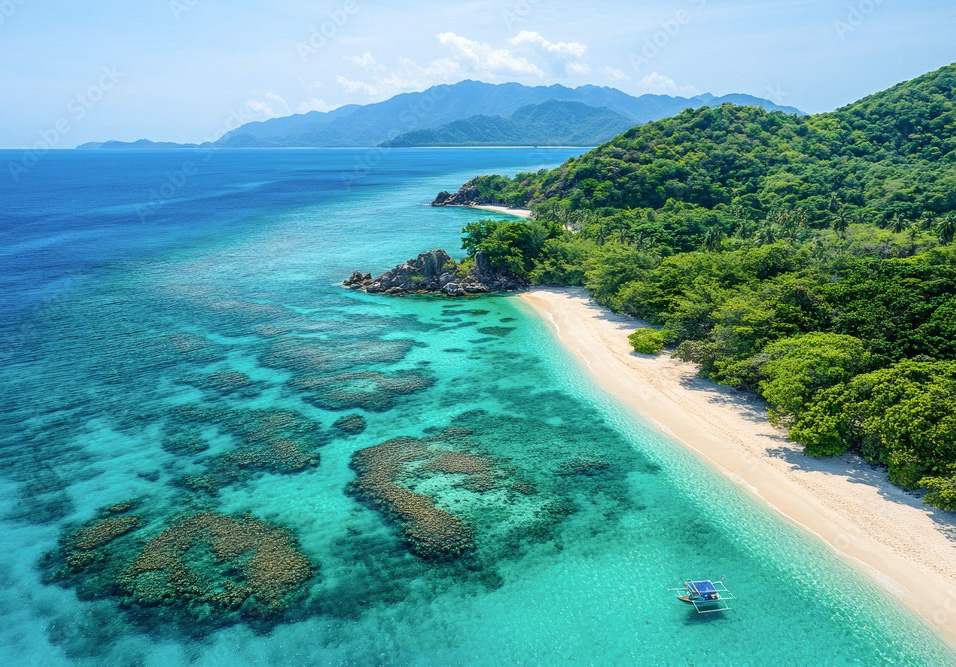
The American editions Survivor: Philippines (Season 25) and Survivor: Caramoan—Fans vs. Favorites (Season 26) were filmed here, introducing Caramoan’s stunning scenery to millions of viewers around the world. Several international franchises—including France’s Koh-Lanta, as well as editions from Israel, Sweden, Serbia, Bulgaria, and India—also chose the peninsula as their ultimate “castaway” playground.
Islands that captured the world’s imagination
Among the most recognizable filming locations is Gota Beach, which often served as a production hub for television crews. Nearby lies the breathtaking Sabitang Layag Beach, known for its expansive white sand and dramatic limestone formations.
The region’s islands each possess their own unique character.
Matukad Island offers not only crystal-clear waters but also a mysterious hidden lagoon said by locals to be guarded by an enchanted milkfish. Lahos Island presents a rare natural wonder—a sandbar that disappears entirely during high tide, leaving visitors marveling at the shifting power of the sea.
Other islands such as Cotivas, Minalahos, and Cagbalinad boast towering limestone cliffs, vibrant marine ecosystems, and snorkeling spots rich with colorful reef life. Each island in Caramoan feels like a secluded world waiting to be discovered.
The ‘Survivor’ effect and eco-tourism
The international exposure from Survivor placed Caramoan firmly on the global tourism map. What was once a quiet fishing community gradually transformed into an emerging eco-tourism destination.
Yet unlike other resort-heavy islands, Caramoan has largely preserved its natural charm. Its relative remoteness—requiring a journey by plane, land travel, and boat—helps protect the fragile beauty of the islands from mass tourism.

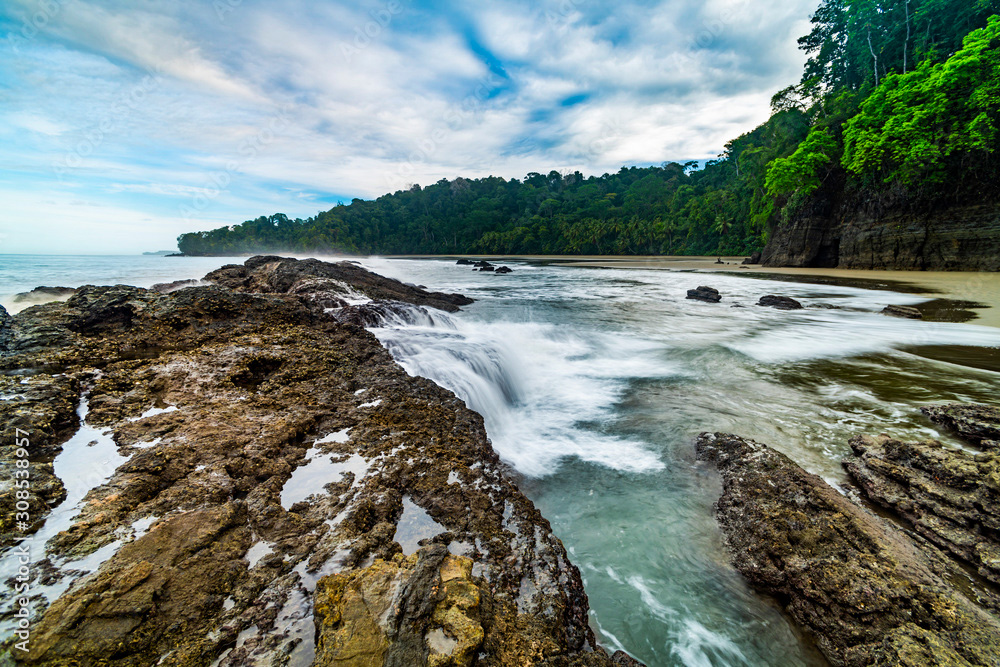
For visitors, island-hopping across the Maqueda Channel and Lagonoy Gulf offers more than just scenic exploration. It provides an authentic experience of nature where the pace of life follows the tides, fishermen sail at dawn, and the sunset becomes the day’s most celebrated event.
Life beyond the shore
Travelers who venture into Caramoan quickly discover that the destination offers more than picturesque beaches—it invites visitors into a lifestyle defined by simplicity and connection with nature.
Local flavors also enrich the journey. One must-try delicacy is Pancit Bato—a traditional noodle dish from Bicol known for its chewy texture and rich flavor, best enjoyed after a full day of island adventures.
Getting to Caramoan may require effort, but the reward is immense. From Manila, travelers may fly to Naga City before continuing by van to Sabang Port and boarding a boat to Guijalo Port. Though the journey can be long, the moment visitors see the endless blue horizon and towering limestone formations, every mile traveled becomes worthwhile.
Paradise of serenity
Caramoan is not a destination for those seeking crowded nightlife or rows of luxury resorts. Instead, it welcomes travelers searching for tranquility—where mornings begin with the sound of waves and evenings unfold beneath star-filled skies.
Here, at the far edge of Bicol, paradise remains quietly preserved, waiting for those willing to seek its timeless beauty.
Message from the author
As I pen the final lines of this feature, my heart journeys across oceans to reach the millions of Overseas Filipino Workers (OFWs) navigating the vast corners of the globe. It is my greatest honor to share the story of Caramoan—The Hidden Paradise of Bicol, a land so raw and untouched that it captured the world’s imagination as the stage for Survivor.
I dedicate this story to all of you—my fellow Bicolano kababayans, all fellow Filipinos, and OFWs with access to The Global Filipino Magazine‘s online and print editions—and to all my former colleagues from the sands of Riyadh, Saudi Arabia, and across the Gulf: the UAE, Dubai, Jeddah, Oman, Qatar, and Kuwait. To those now braving the winters of Europe and North America who follow us through The Global Filipino Magazine, this story is for you.
I know the quiet battles you fight—the homesickness, the distance from loved ones, and the longing for the shores that raised us. My hope is that through these words, you may momentarily set down your burdens and allow the beauty of Caramoan to refresh your spirit.
The world may know Caramoan as a place for survivors, but to us Filipinos, it is a reminder that we are more than survivors—we are builders of hope, wherever in the world we stand.
May God bless and protect all OFWs across the globe.
