



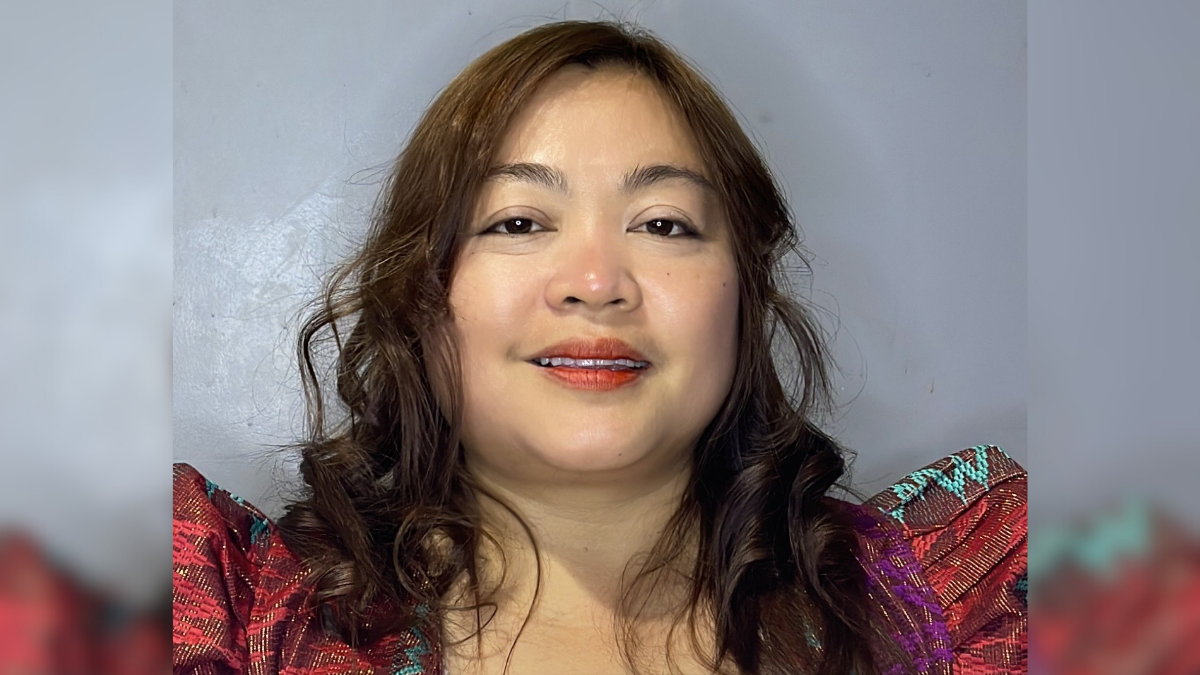

The work of special education is built on small victories—helping a student button a shirt independently, count change correctly, or make eye contact during a difficult conversation. Those moments rarely make headlines, but for teachers in this field, they are everything. For Janice Salinas Armas, they became the quiet milestones that carried her from a farming town in Pangasinan to a leadership role in an American high school.

At 42, Janice Salinas Armas serves as a Special Education Specialist at Jefferson High School under the Jefferson High School District. Six years into her journey abroad, she stands at the intersection of two worlds: the life she built in the Philippines and the professional identity she forged in the United States.

She was born and raised in Manaoag, Pangasinan, the eldest of seven children in a modest household. Her father tilled the land as a farmer; her mother kept the home steady. Education was never handed to her easily. She completed elementary school at Bisal-Bucao Elementary School and graduated from Manaoag National High School before earning a Bachelor of Secondary Education, major in Special Education with a minor in Mathematics, from the University of the Philippines Diliman. She was a scholar of both the university and the Manaoag Church, and to sustain her studies, she worked as a student assistant at the Education Library.
Those early responsibilities—supporting her family, funding her own education—would later define the way she approached both motherhood and migration.
Choosing special education as a lifelong calling
Janice began teaching in 2004 as a Special Education Lead Teacher, working with students ages four to 22 who had autism, learning disabilities, ADHD, and visual impairments. She handled a pre-vocational class composed of learners with moderate to severe needs, focusing on daily living skills, numeracy, self-help routines, and life skills that would allow them to function with greater independence.
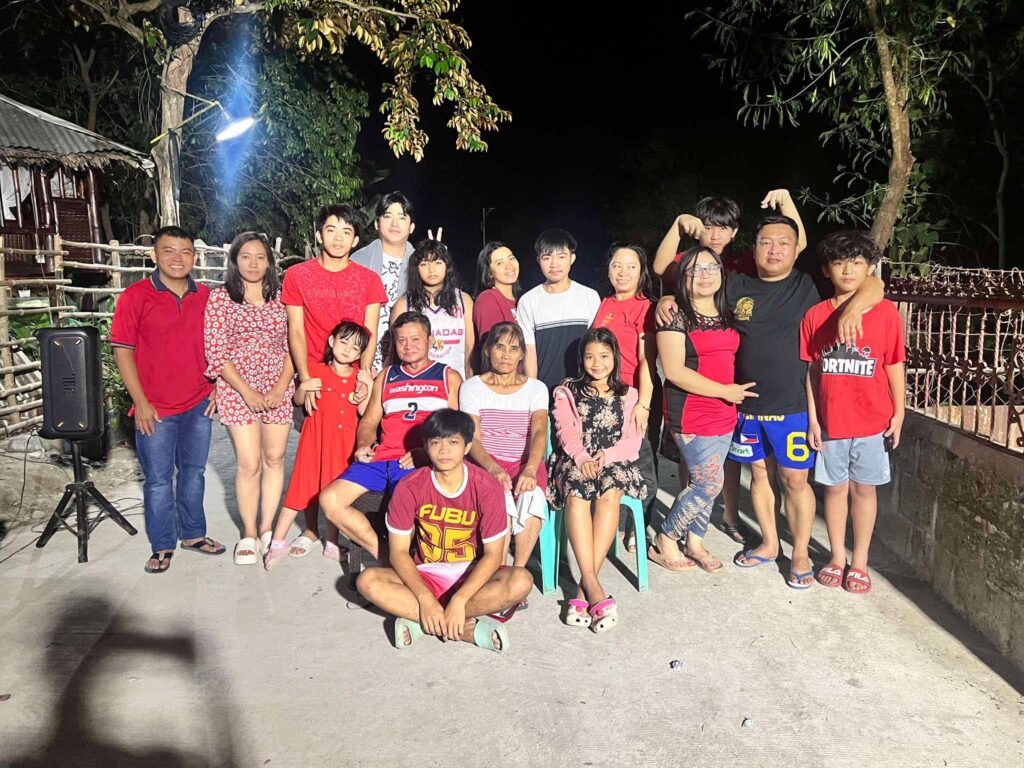
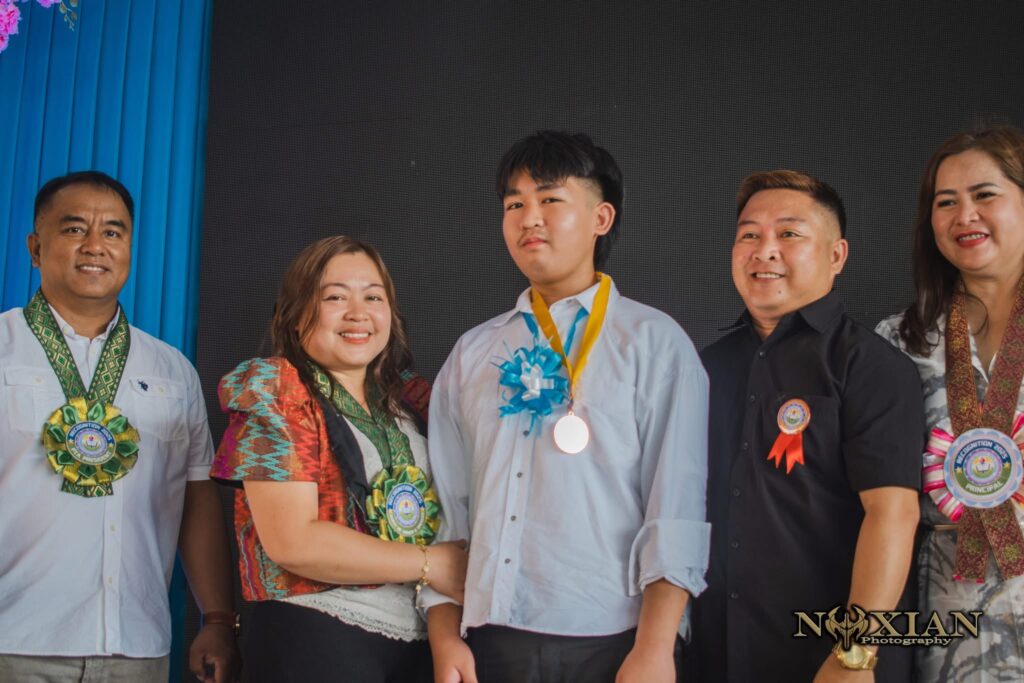
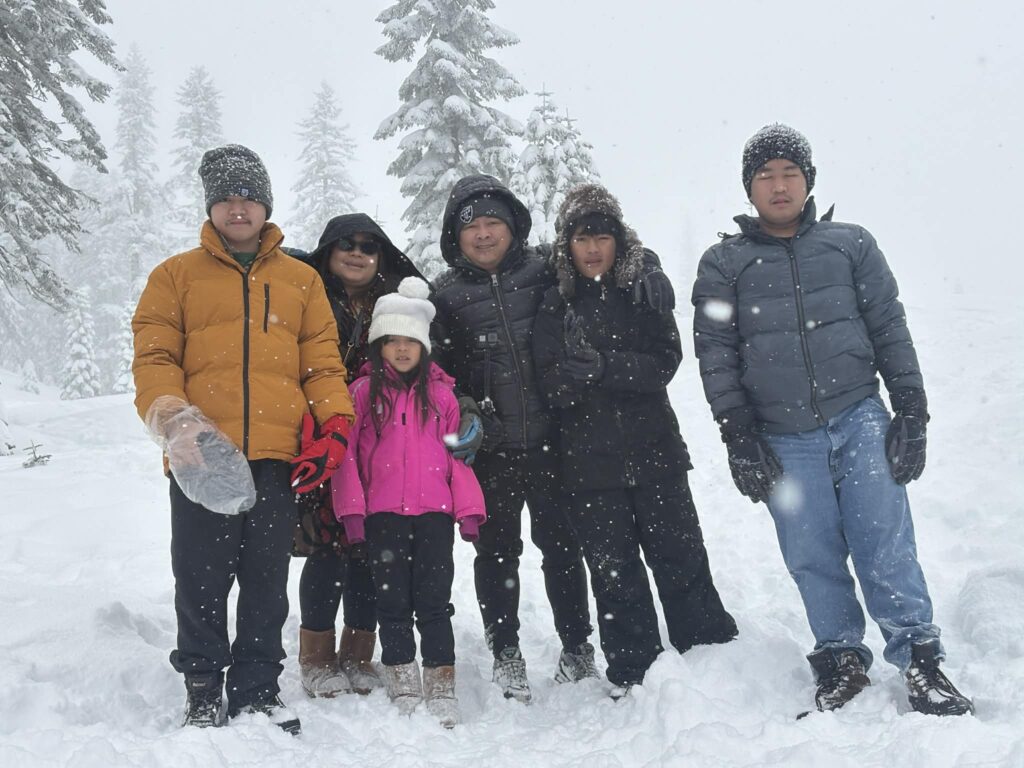
She collaborated closely with occupational therapists, physical therapists, and speech therapists. She developed Individualized Education Programs (IEPs) and sat in meetings with parents to map out realistic goals for their children. Early in her career, she learned that special education is as much about partnership as it is about pedagogy.
In 2008, she transitioned to Commonwealth Elementary School as a regular third-grade teacher. A year later, she returned to the Special Education Department, this time specializing in supporting students with visual impairments. As a scholar of the Philippine Normal University and Resources for the Blind, Inc., she strengthened her expertise in inclusive and specialized instruction.
Her impact extended beyond academics. She coached students in sports and helped them secure regional and national awards. She also guided student-athletes in goalball at the Palarong Pambansa, a role that blended discipline, strategy, and belief in their potential.
Recognition followed years later. In 2023, she was honored at the Dakilang Filipino Awards as “A Woman of Substance” and “Dedicated and Exemplary Special Education Teacher of the Year.” In 2024, she received the distinction of “Asia’s Most Exceptional and Innovative Leader in Special Education” and “Inspiring Humanitarian of the Year” from the Asia’s Humanitarian Awards.
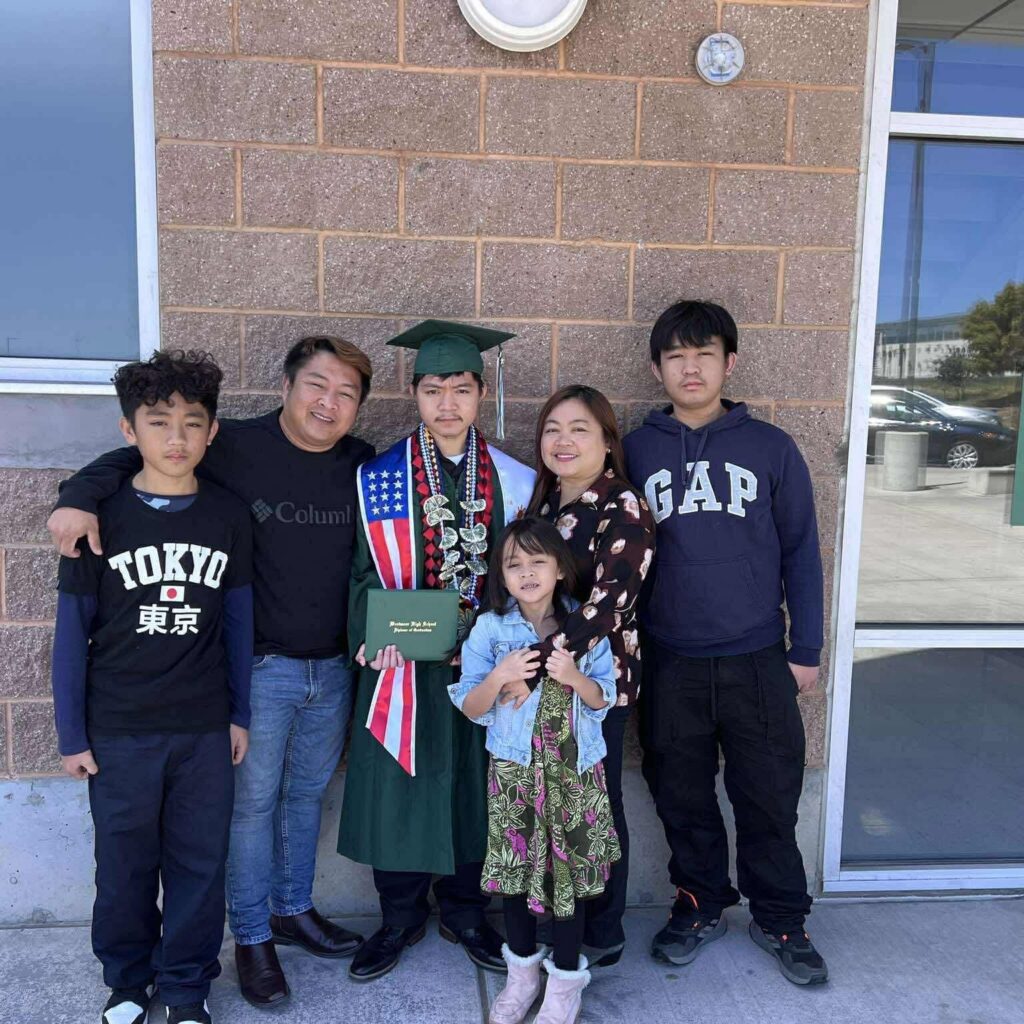
But accolades were never the central motivator.
“What I value most about teaching is the reciprocal nature of the learning process,” she says. “While I share my knowledge and instructional skills with students and apply evidence-based strategies in the classroom, I also continually learn from them.”
For her, growth is mutual. “It is deeply fulfilling to witness students succeed not only academically, but also in their social and behavioral development.”
That sense of shared progress would soon be tested in a new country.
When three jobs were no longer enough
Before leaving the Philippines, Janice was juggling three jobs. In 2018, she gave birth to her fourth child. The combination of professional exhaustion and expanding family responsibilities forced her to confront a difficult truth: passion alone could not sustain stability.
“I decided to pursue opportunities abroad after experiencing the demands of managing three jobs in the Philippines,” she explains. A colleague encouraged her to apply for a teaching position in the United States. What began as a suggestion turned into a personal challenge.
“I wanted to test my capabilities, navigate the application process successfully, and prove to myself that I could thrive as a teacher in a foreign country.”
In September 2019, she entered a cultural exchange program in the United States and began working as a Special Education Specialist at Terra Nova High School. Over five years, she served as a case manager and eventually became Department Head of the Special Education Department, leading initiatives to enhance instructional quality and student outcomes.
The district took notice of her work. After completing her five-year program in 2024, the school district petitioned for her to continue serving. The petition was approved. In June 2026, she returned to the United States to resume her role—this time with the assurance that her contribution was not temporary.
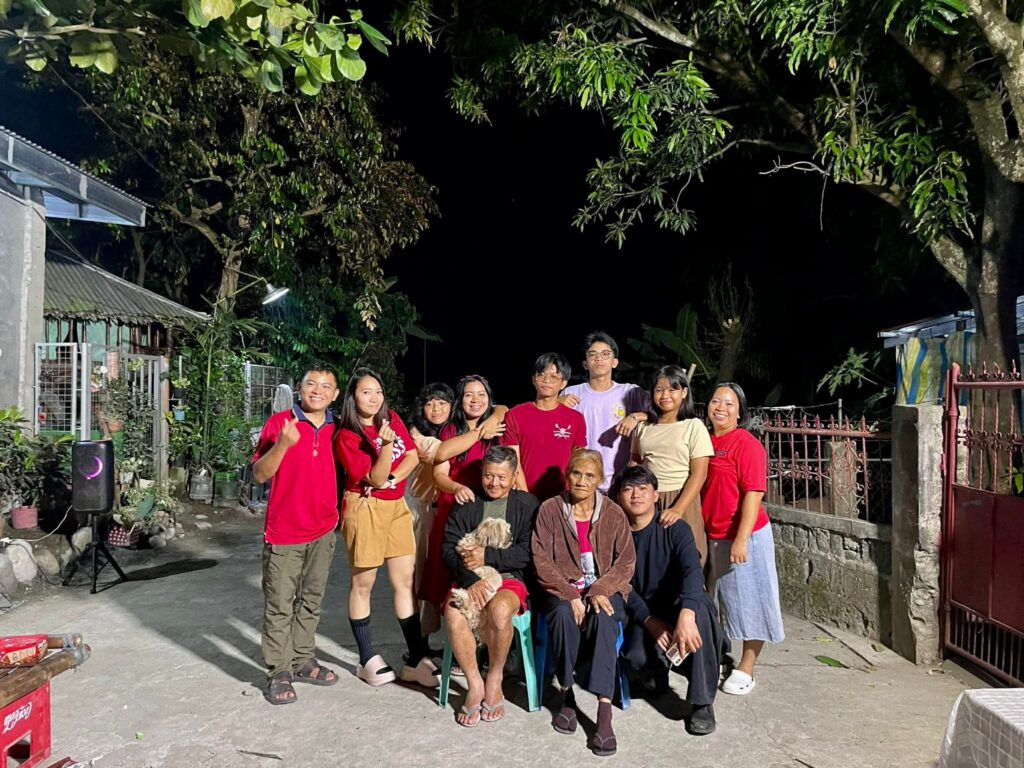
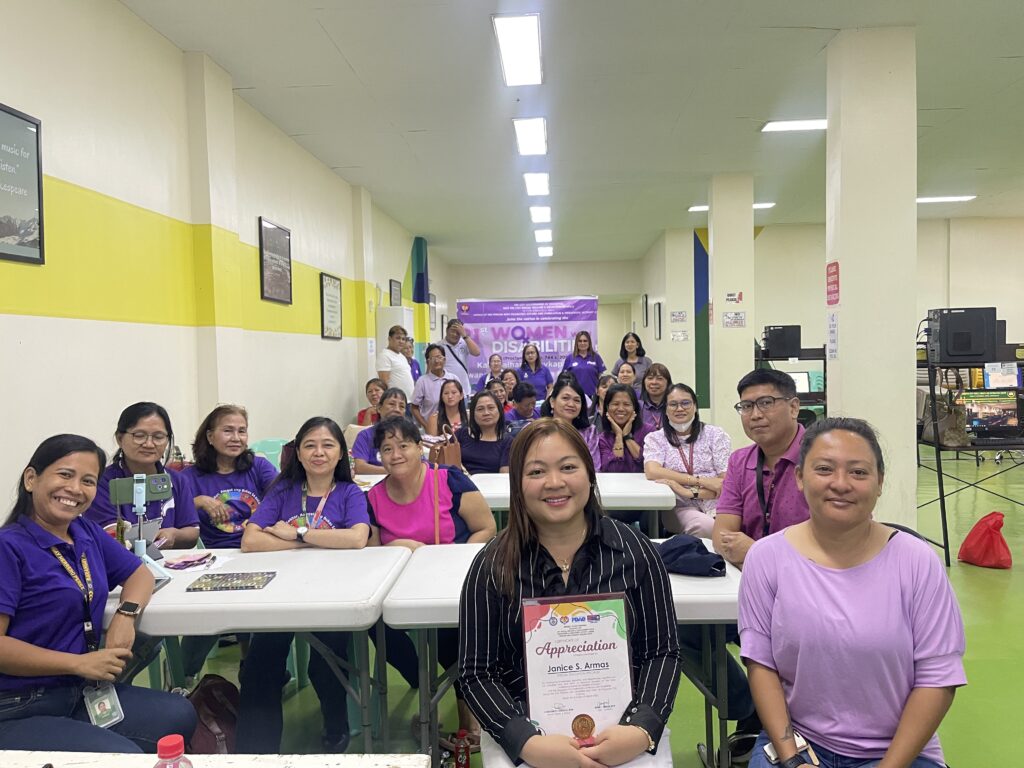
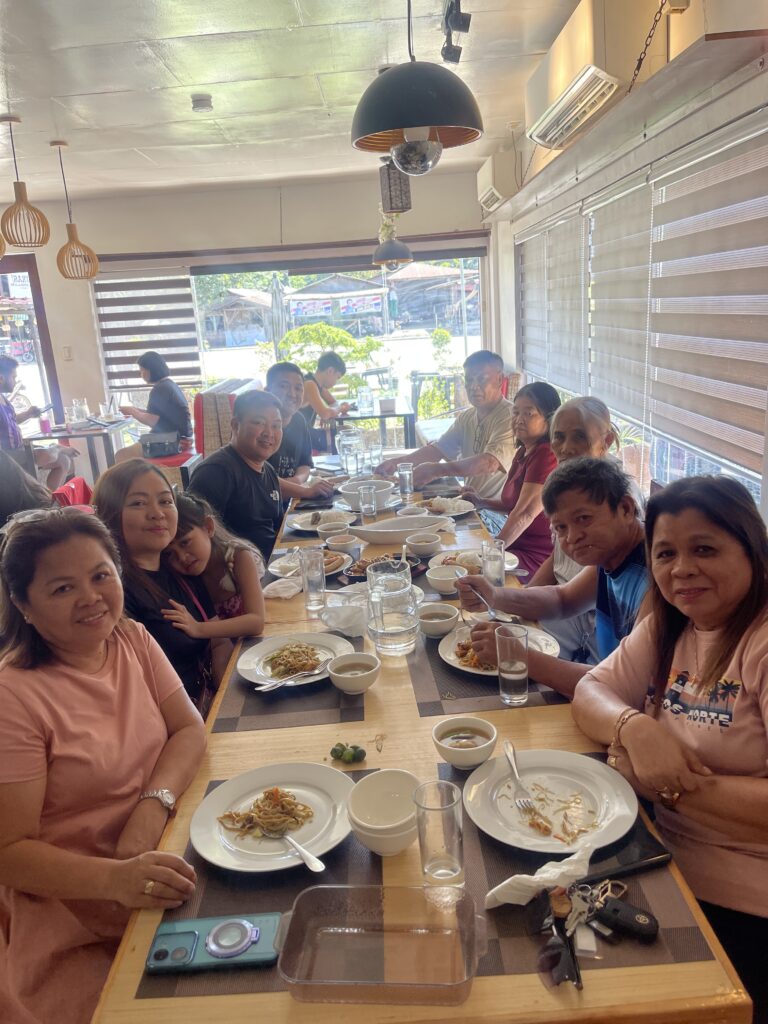
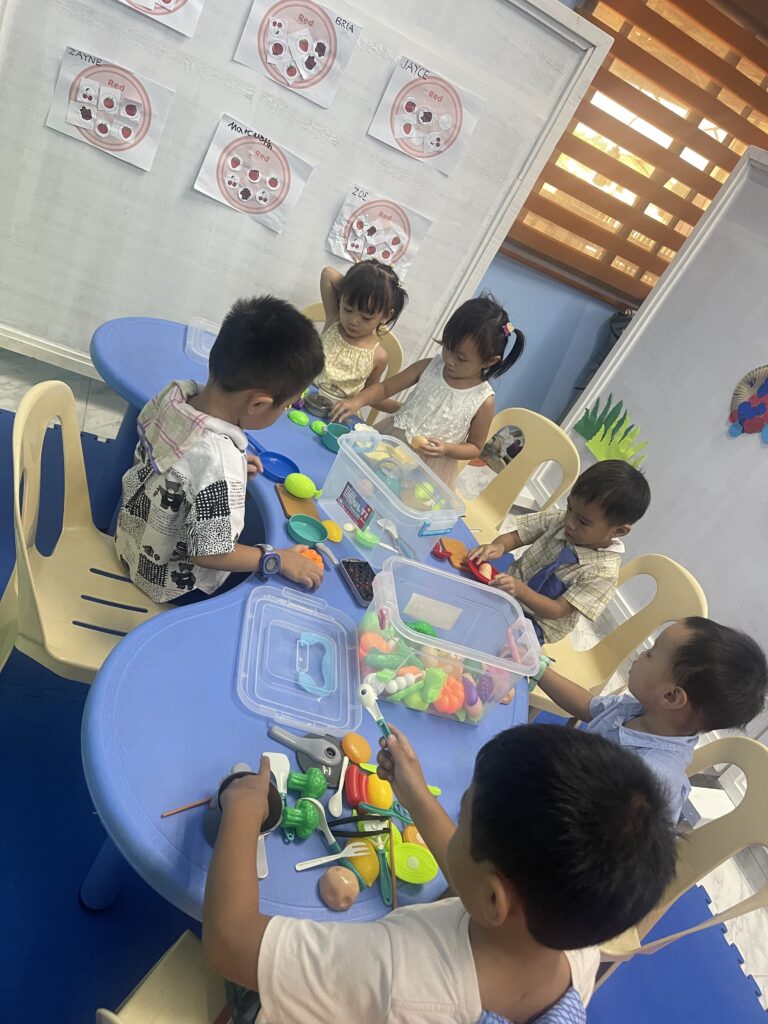
At Jefferson High School, she works with students with moderate to severe disabilities. She teaches life skills, math for daily living, health education, and work experience. She develops and implements IEPs, collaborates with general education teachers and service providers, and ensures that accommodations are aligned with student needs.
The work is demanding, but structured.
“Working as a Special Education Specialist in the United States has provided me with a strong sense of professional autonomy and growth,” she says. “I value the opportunity to apply my own instructional style while aligning with established educational standards and best practices.”
She appreciates the clarity of responsibilities. “In this role, responsibilities are clearly defined, which allows teachers to focus on their core duties—planning, instruction, assessment, collaboration, and compliance while maintaining professional independence.”
There is also a cultural element she values deeply: “I particularly appreciate the respect for professional boundaries and privacy, which fosters a healthy and supportive work environment.”

Learning to listen in a new language
Professional validation did not shield her from personal struggle.
Relocating abroad meant leaving her husband and children behind. The time difference complicated communication, compressing family conversations into late-night or early-morning windows. Milestones were missed. Comfort could not be delivered in person.
“There were moments of loneliness and guilt,” she admits, “especially when I could not physically be there during important family events or when my children needed immediate comfort and support.”
The workplace posed another challenge. Though fluent in English academically, she found conversational speed, idiomatic expressions, and regional slang difficult to follow.
“I vividly recall attending my first staff meeting and struggling to fully understand the discussion,” she says. “Although I had a foundational knowledge of English, I was not accustomed to conversational speed, idiomatic expressions, or regional slang.”
Confidence wavered. Participation felt intimidating.
Instead of retreating, she adjusted. She listened carefully, took notes, and asked for clarification. She immersed herself in English programs to expand her vocabulary and practiced conversational English whenever possible. She observed colleagues to understand workplace expectations and cultural nuances.
“Over time, my comprehension and confidence significantly improved.”
Support came from both ends of the world. Her family remained her emotional anchor. Her colleagues and administrators provided patience and mentorship. She also looked up to fellow educators who had successfully navigated similar journeys abroad, drawing inspiration from their resilience.
Through these adjustments, she developed greater independence and cultural competence—traits that now inform how she approaches students who themselves struggle with communication and adaptation.
Bringing the learning home
After completing her initial five-year program, Janice returned to the Philippines in July 2024 with a new mission: to share what she had learned.
She conducted trainings and served as a resource speaker in professional development programs. She founded UP and Beyond Therapy and Academic Center in Pangasinan, a center dedicated to supporting students with special needs through individualized interventions and academic support.
“Our center provides individualized interventions and academic support designed to empower learners, strengthen their skills, and help them reach their fullest potential in a nurturing and inclusive environment,” she explains.
Her advocacy extends beyond childhood. She is involved in efforts to establish a center that will provide vocational opportunities for adults with disabilities, focusing on skill development aligned with their abilities and interests.
“I strongly believe that individuals with disabilities possess unique strengths and talents that deserve recognition and meaningful inclusion in the workforce.”
For Janice, inclusion is not a slogan; it is a structure that must be built deliberately.
“My mission remains clear to continuously share knowledge, promote inclusion, and create sustainable programs that support individuals with special needs across the lifespan.”
Holding on to purpose
Six years abroad have reshaped her professionally, but her advice to fellow Filipinos overseas remains grounded in the same values she carried from Manaoag.
“For those working overseas, resilience and intentionality are essential,” she says. She emphasizes drawing strength from purpose and family. “Your family is not only your inspiration, they are your anchor, your motivation, and often the reason you persevere through uncertainty and distance.”
She acknowledges the silent battles: homesickness, cultural adjustment, professional pressure.
“Each fall is not a failure, but a lesson that strengthens your character and sharpens your resilience.”
She also speaks about self-care with clarity. “Loving and valuing yourself is not selfish, it is necessary. Your stability enables you to continue supporting those who depend on you.”
