





For many Filipino students, digital learning is no longer optional—but access to the right tools still depends too heavily on who can afford them. Ramon Logan Jr. decided that imbalance needed a practical fix.

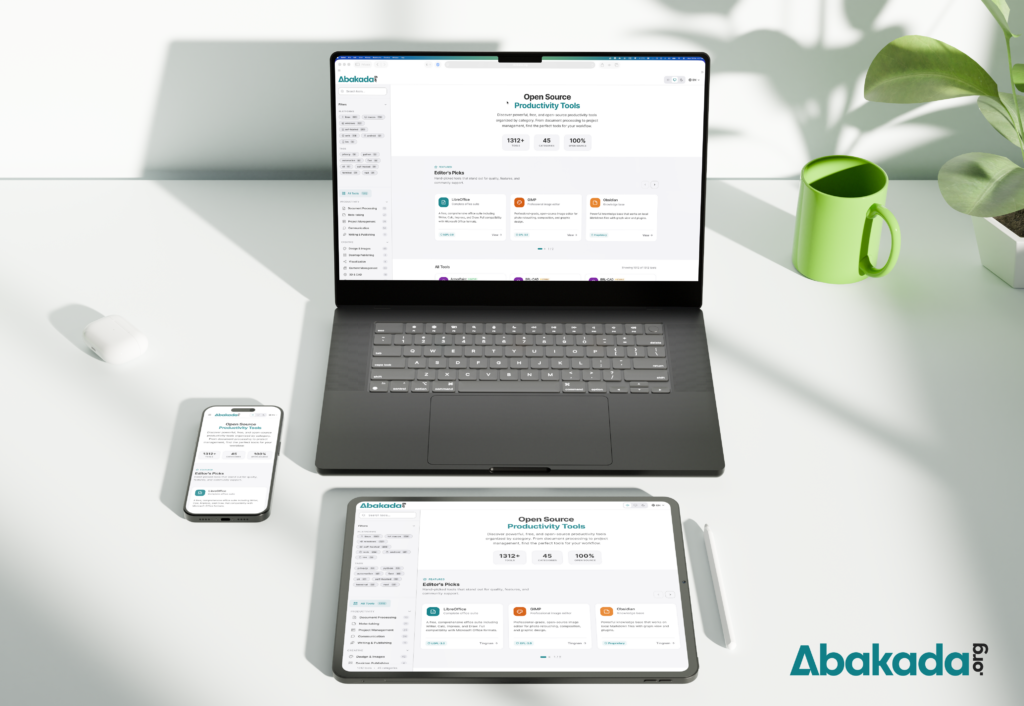
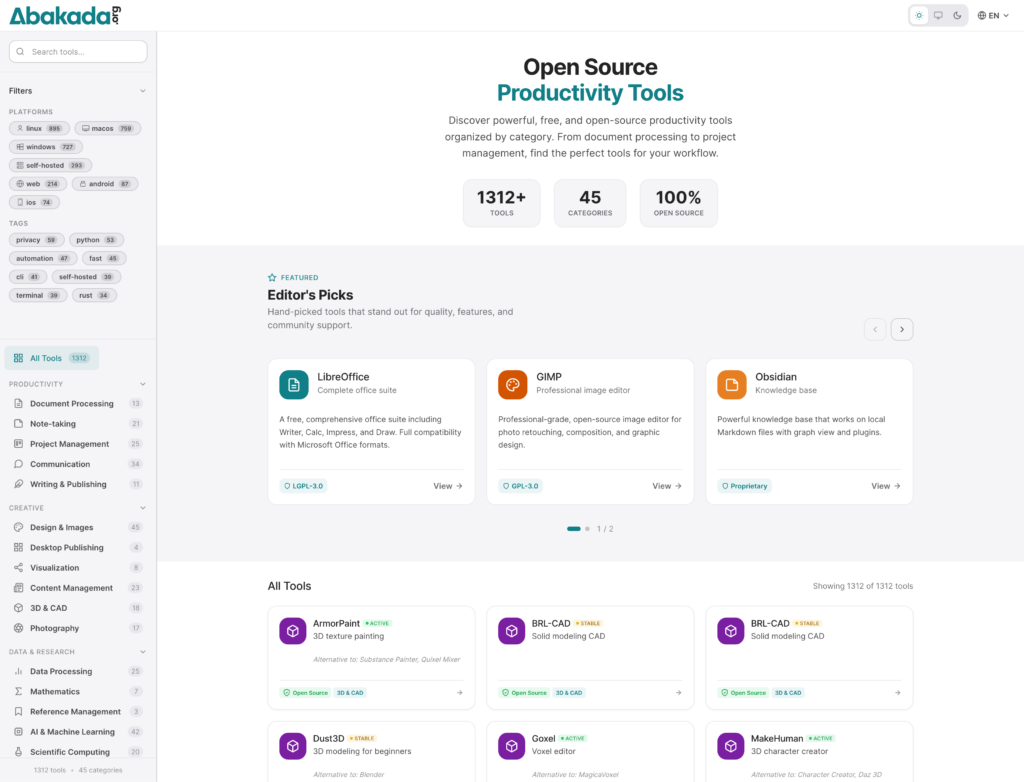
As the founder and developer of Abakada.org, Logan built a free online platform that curates open-source and no-cost software for students, teachers, and lifelong learners in the Philippines. The idea was rooted not in theory, but in lived experience.
From personal struggle to public solution
“With almost everything moving to a subscription-based model nowadays, I was inspired to promote open-source software tools that can greatly benefit our students and teachers in the Philippines,” he says.
Back in college, his daily allowance left little room for licensed applications. “During my college days, I was on a tight daily allowance kaya hindi ko afford bumili ng expensive applications like licensed Microsoft Office or Adobe Dreamweaver. I know the struggle of having limited options dahil lang sobrang mahal ng productivity tools.”

He remembers the quiet pressure that comes with needing software you simply can’t pay for. “Back in college, my daily allowance was so tight I couldn’t afford the apps I needed for schoolwork. I know how frustrating it is when your potential is limited just because you don’t have the budget.”
That frustration evolved into a decision. “Since I also want to discourage software piracy, I decided to build a directory of free productivity tools para sa mga learners natin especially those who are need.” Instead of forcing students to dig through scattered search results, he centralized everything. “Rather than having them search for tools individually on Google, I gathered these essential studying and teaching applications into one convenient directory engine, and I’m continuously adding more tools that align with this advocacy.”
Abakada.org was born out of that consolidation—a single access point designed to remove cost as a barrier to productivity.
Building after hours, powered by conviction
Despite the scope of the platform, there is no large team behind it. “Right now, I’m the sole creator behind Abakada.org, writing all the code for the free productivity tools.”
By day, Logan works as a full-stack developer in Abu Dhabi. “But my real work happens during my days off. After spending the day with my family, I stay up late building platforms that I hope will uplift our community back home.” The long nights are familiar. “Everything I’ve accomplished is fueled by pure passion at maraming puyat. Wala akong massive team or huge funding. I just have my computer and a strong belief na good technology should be free and accessible to everyone.”
Abakada is not his first civic-minded project. He also launched BetterSolano.org, a volunteer-driven platform that connects residents of Solano with their local government. “I made sure it does not cost the people a single centavo because access to public information is a right, not an option.” He contributes as well to BetterGov.ph alongside other Filipino tech volunteers working to improve transparency in government services.
The common thread is access—whether to information or technology. “I have built the foundation, and now I’m excited to see kung hanggang saan aabot ang vision na ito.”

Leveling the digital playing field
At its core, Abakada.org addresses a specific gap. “Many Filipino learners and teachers are getting left behind simply because they don’t have the budget for expensive premium tools.”
Logan believes ability should never be tied to subscription fees. “Brilliant Filipino students and hardworking teachers are being held back right now simply because hindi nila ma-afford ang expensive software subscriptions. A person’s budget shouldn’t dictate the quality of their work or limit ang kanilang potential.”
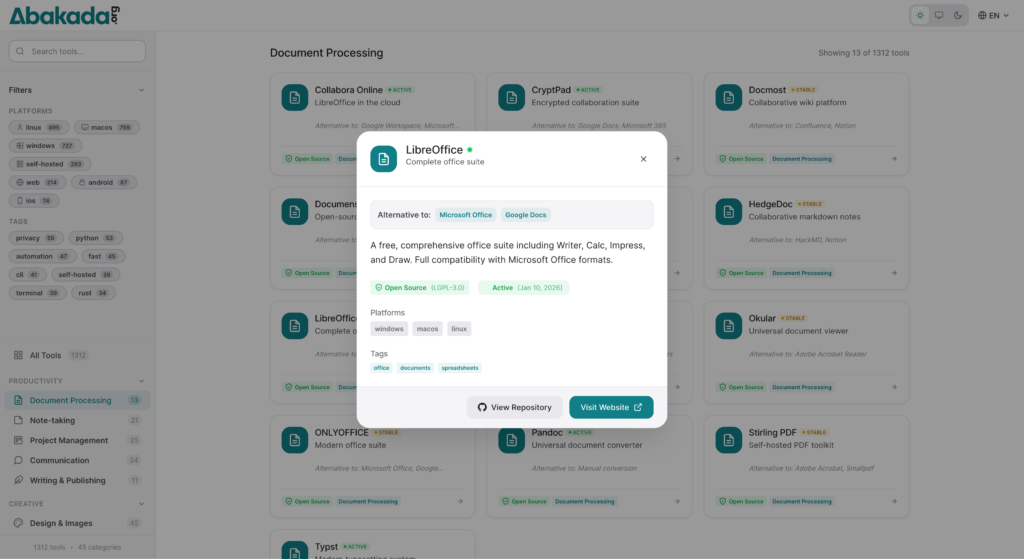
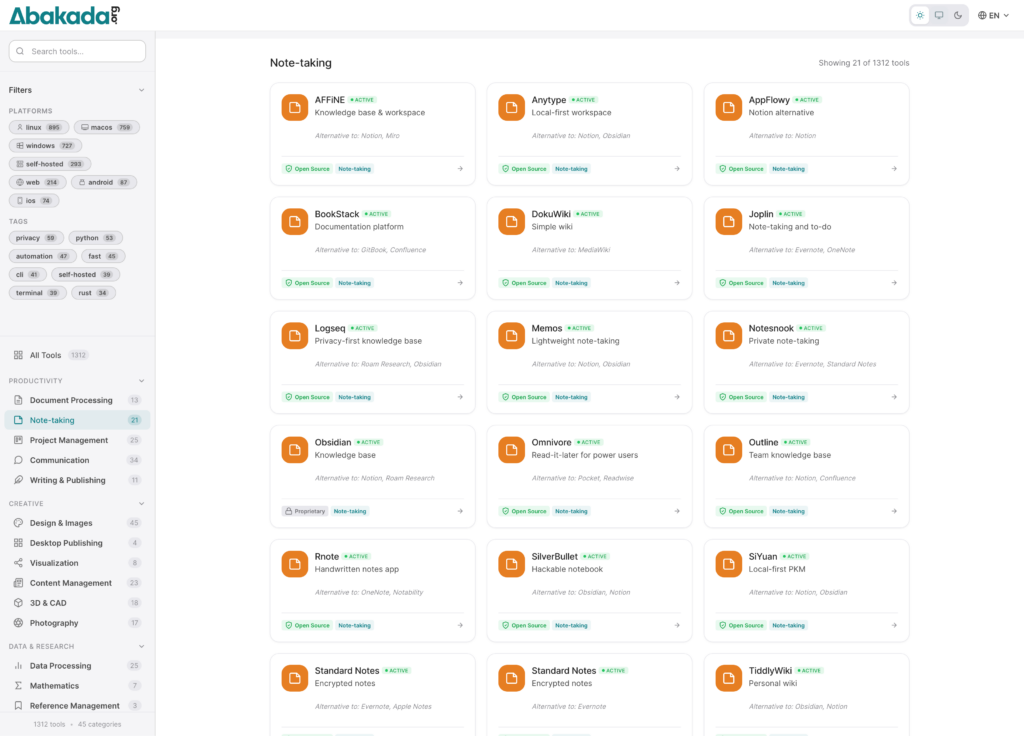
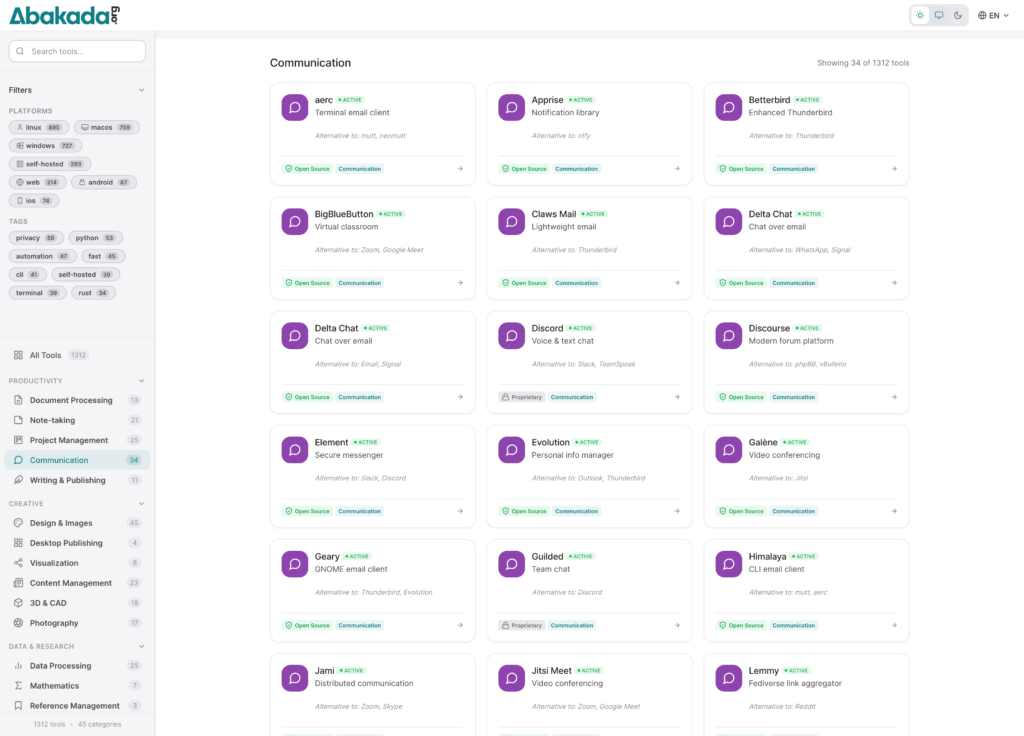
The platform highlights tools such as LibreOffice for research papers and spreadsheets, GIMP for graphic design, and Zotero for academic citations—among many others. But it goes beyond listing names. Each tool is vetted, described, and contextualized for local users, especially those navigating limited bandwidth and inconsistent internet speeds.
“There’s a whole world of incredible and free open-source software out there,” he says. “But finding the right tools that actually fit our local context and internet speeds can be overwhelming talaga. Abakada is my way of cutting through that noise. It connects Filipinos directly sa mga resources na kailangan nila.”
Safety and reliability are also part of the equation. The platform enforces strict privacy protections, screens tools for stability, and displays a transparent health status to show whether software is actively maintained. Feedback from educators and students helps shape the directory, ensuring it solves real classroom problems rather than theoretical ones.
For Logan, the mission is straightforward. “We simply want to make sure a student’s ability to learn is never held back by money. For us, access to good technology is a basic right.”
A vision beyond the website
Working overseas sharpened his perspective. “Working overseas opened my eyes to the massive gap in resources, and it drove me to build a real solution.” He envisions Abakada as a long-term equalizer. “I want this platform to be the ‘great equalizer,’ ensuring that no Filipino student or professional is held back from innovating simply because they cannot afford expensive software.”
The groundwork is already in place. “I built the platform from the ground up and curated over a thousand free, open-source tools to prove that this model works.” Now, he is pushing to bring these resources directly into classrooms and small businesses, encouraging what he calls a culture of digital self-reliance.
Still, he acknowledges the scale of the task. “To be completely honest, it is a challenge to move mountains alone with limited resources. I am seeking support to help amplify this advocacy.” He extends the invitation openly: “This is an open invitation for visionaries, educators, and leaders to join this movement. Let’s work together to empower the next generation of Filipinos to create without limits.”
A mobile app for Abakada.org is also in the pipeline, pending time and resources.
For now, the platform stands as proof that one developer with a laptop—and a memory of what it felt like to go without—can begin to redraw the boundaries of access.
