



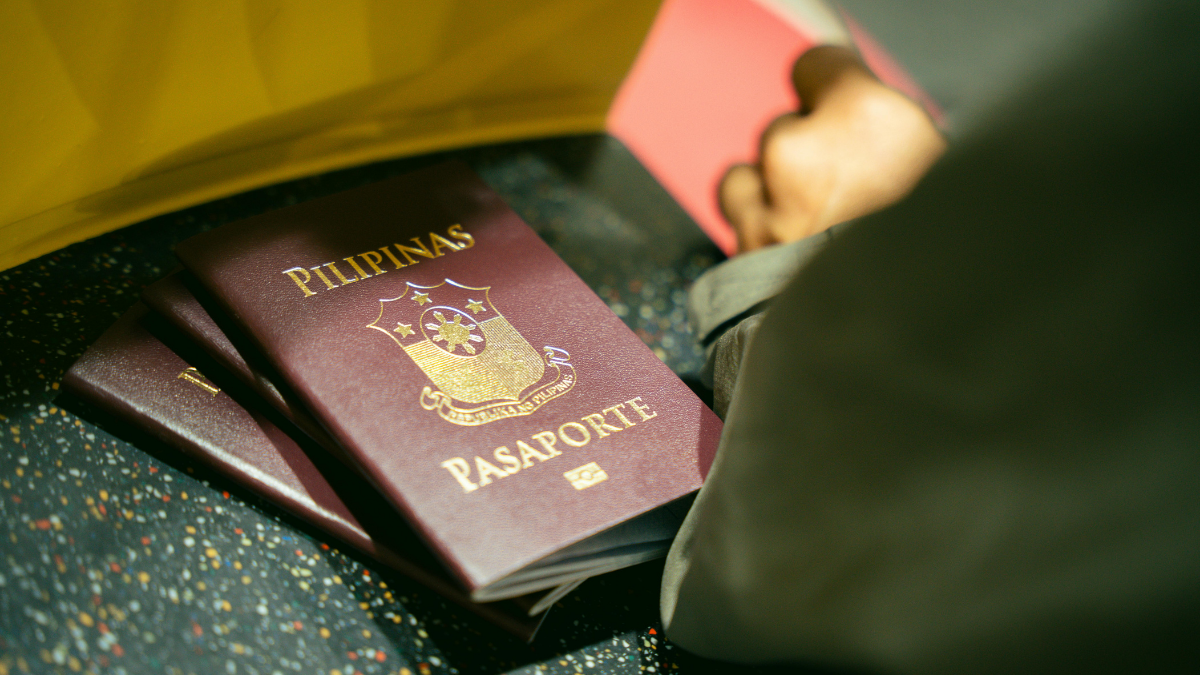

The Philippine passport has moved up to 66th place in the latest global mobility ranking, giving Filipino travellers wider access to destinations that no longer require a traditional visa before departure.

Based on the live dashboard of Passport Index, the updated assessment places the Philippines two spots higher than its January 2026 standing. The latest data shows Philippine passport holders can now enter 77 destinations through visa-free entry, visa-on-arrival arrangements, or electronic travel authorisation systems.
Of the 77 accessible destinations, 36 allow visa-free travel, while 38 grant visas upon arrival. Three more require an electronic travel authorisation (eTA), according to the dashboard. Despite the improvement, visas are still required for 121 countries.
The Philippines currently holds a mobility score of 77, reflecting moderate global travel access compared with other passports included in the index. Its “World Reach” is listed at 39 percent, indicating Filipinos can travel to just under two-fifths of global destinations without securing a pre-approved visa.
Historical data from the dashboard also shows the Philippine passport’s mobility has shifted significantly over time. Scores previously remained in the low 60s before climbing into the mid-70s, followed by a temporary drop. In recent years, the trend recovered and peaked near 80 before settling slightly lower, with the latest score suggesting a rebound that remains below previous highs.

The index indicates stronger access for Filipino travellers across Southeast Asia, parts of South America, and selected African destinations, while stricter visa rules persist in North America, much of Europe, and areas of Oceania.
Travel analysts say passport rankings are shaped by factors such as diplomatic relations, security policies, reciprocity agreements, and bilateral negotiations. Expanded visa-free travel is also often linked to economic cooperation, tourism growth, and stronger foreign policy engagement.
The improved mobility standing carries broader implications for a country with a population exceeding 116 million, particularly in tourism, overseas employment, and business travel. Filipino workers and entrepreneurs may benefit most directly in destinations that offer simplified entry through visa-free access or visas on arrival.
Observers note that gains in global passport rankings typically depend on sustained diplomatic work and policy adjustments, with government officials previously signalling efforts to pursue more bilateral agreements to expand travel privileges.
The Philippines remains one of the world’s leading sources of migrant labour, with more than 10 million Filipinos working overseas, and has used its regional role to advocate for stronger cooperation on labour mobility, remittances, and migrant rights.
