



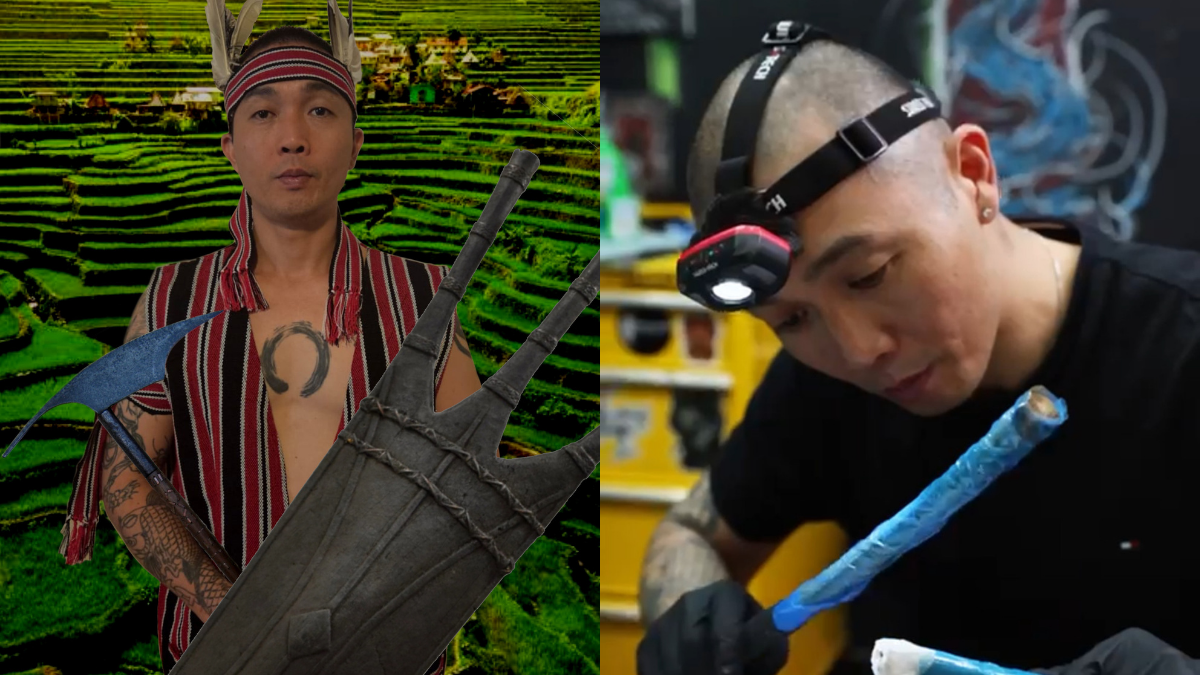

It started as a personal connection to heritage—but in Australia, it became something much bigger than a tattoo style.

Arbis Wilson is a Filipino-Australian tattoo artist based in Sydney, now widely recognized as the only practitioner of traditional batok tattooing in Australia. In a world dominated by modern tattoo machines and fast-changing trends, Wilson has built a name by doing the opposite: slowing down, returning to tradition, and reviving an art form rooted in Filipino identity.
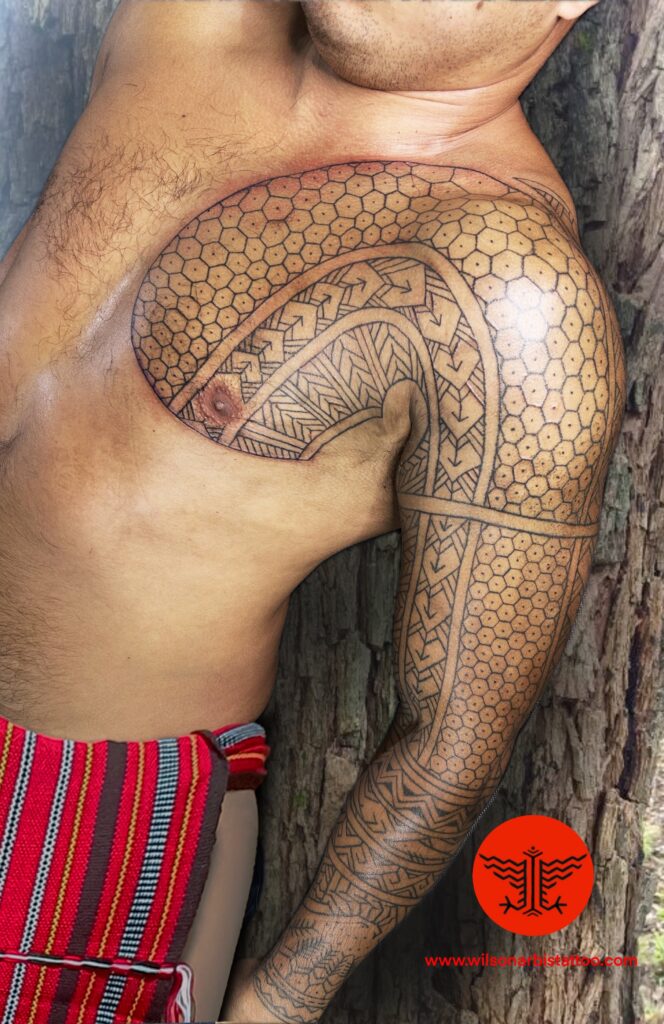
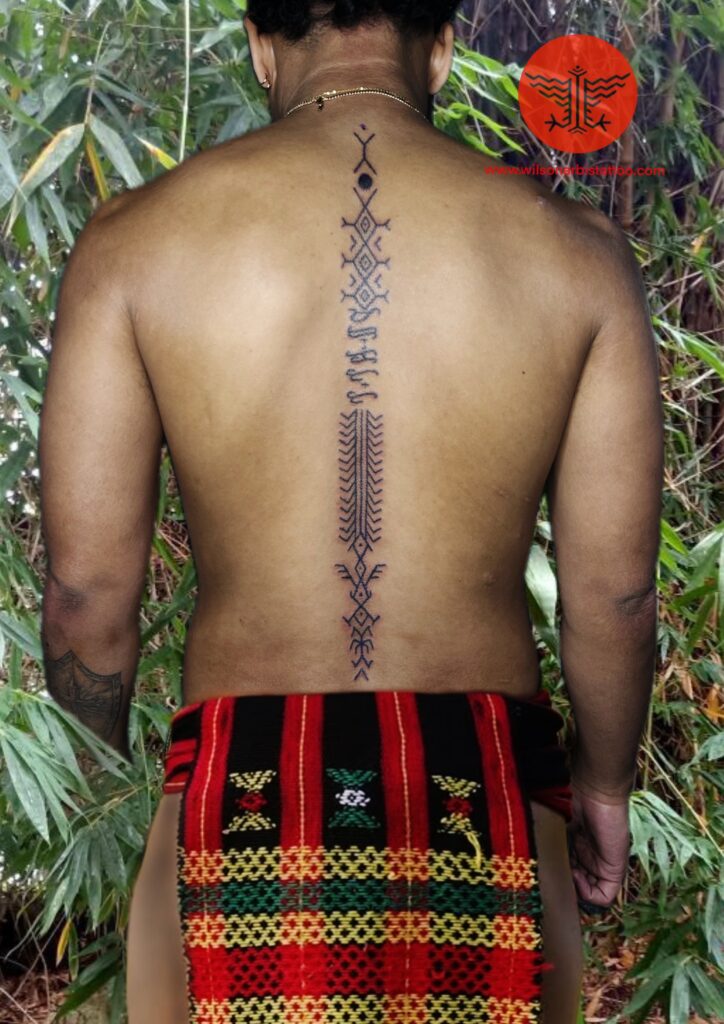
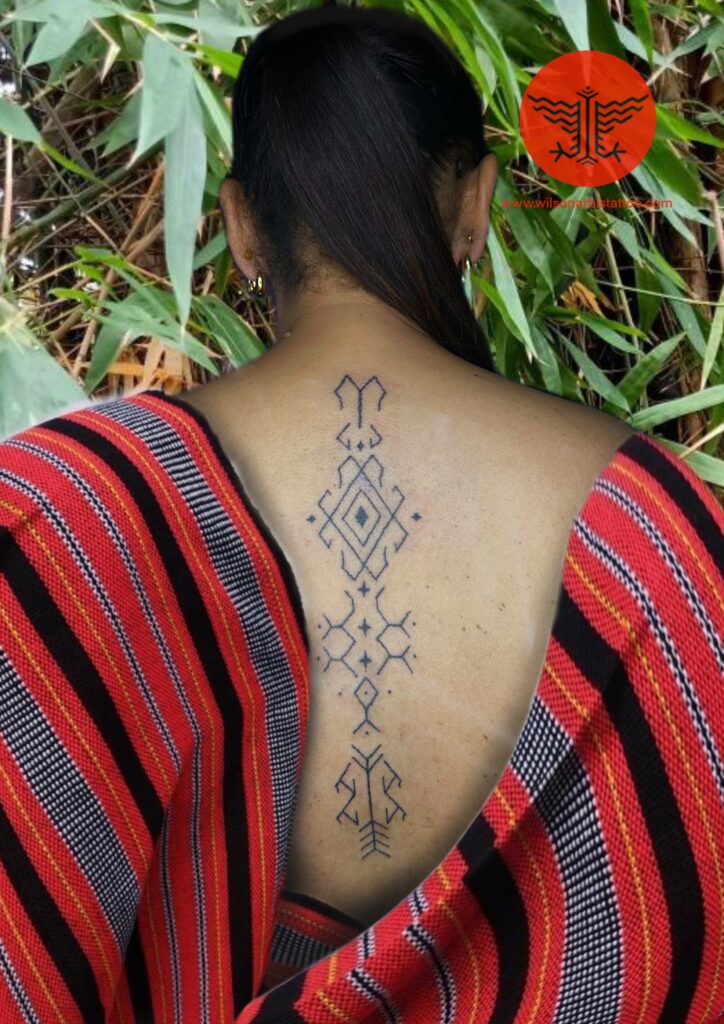
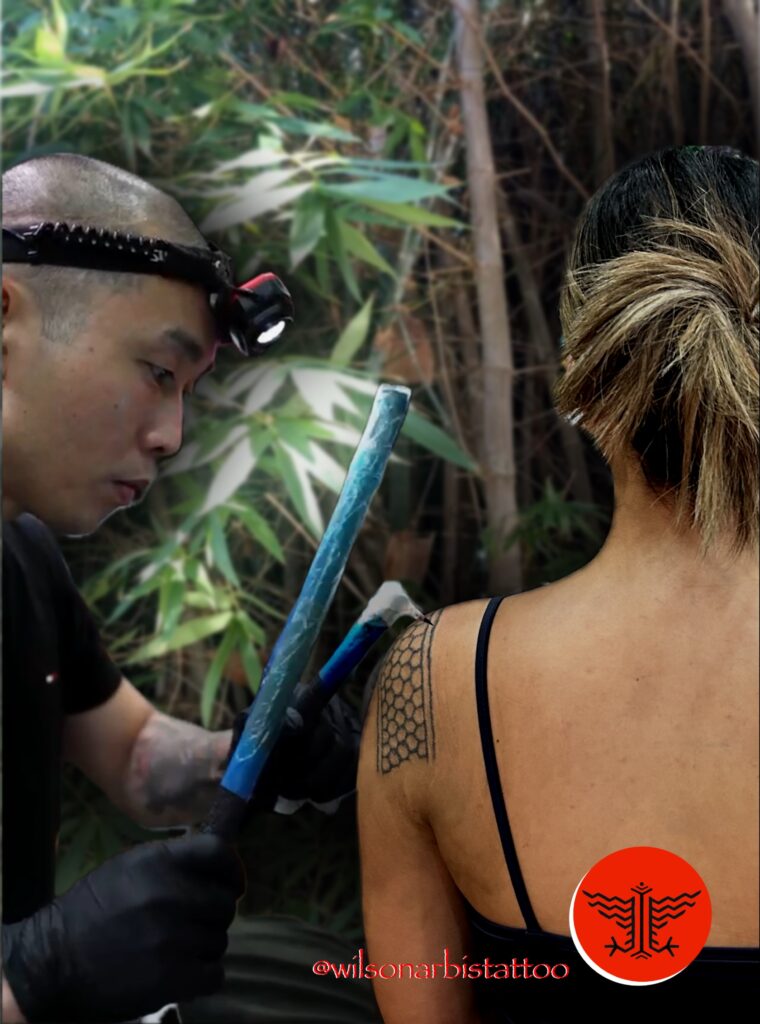
While many know him today for his hand-tapped tribal work, Wilson’s journey began in a more familiar way. He entered the tattoo industry using modern equipment, first working with coil machines before eventually adapting to rotary technology. “My fulltime job is a tattoo artist using modern machine,” he shared. For him, modern tattooing isn’t separate from batok—it’s part of what allows him to sustain it. “It works perfectly well with my job as a Batok tattoo artist because I have all the supplies and resources needed to carry out my work.”
A heritage that called him back
Wilson’s decision to specialize in batok is deeply personal. His roots trace back to Northern Luzon, where tribal identity and tradition remain strong. “My mum’s family is from Baguio, Benguet,” he said. “We are part of the Ibaloy people which is one of the main tribes of the Northern Cordilleran Igorots.”
That connection became the foundation of his purpose. Alongside his ancestry, Wilson also credits the living icon of batok for inspiring him. “One of my main inspiration is also Apo Whang Od and I have the utmost respect for the Kalinga tribe,” he said.
For Wilson, batok is not a borrowed aesthetic—it’s a cultural responsibility.
Learning the craft, his own way
His tattoo career began in 2005, around the same time he made a major shift in direction. “I started tattooing back in 2005 around the same time I left Nepean TAFE whilst studying diploma in Fine Arts,” he recalled.
Unlike many who train under mentors, Wilson carved his own path into batok. “I am 100% self taught in Batok tattooing,” he said, explaining that his years of experience in modern tattooing made the transition feel natural.

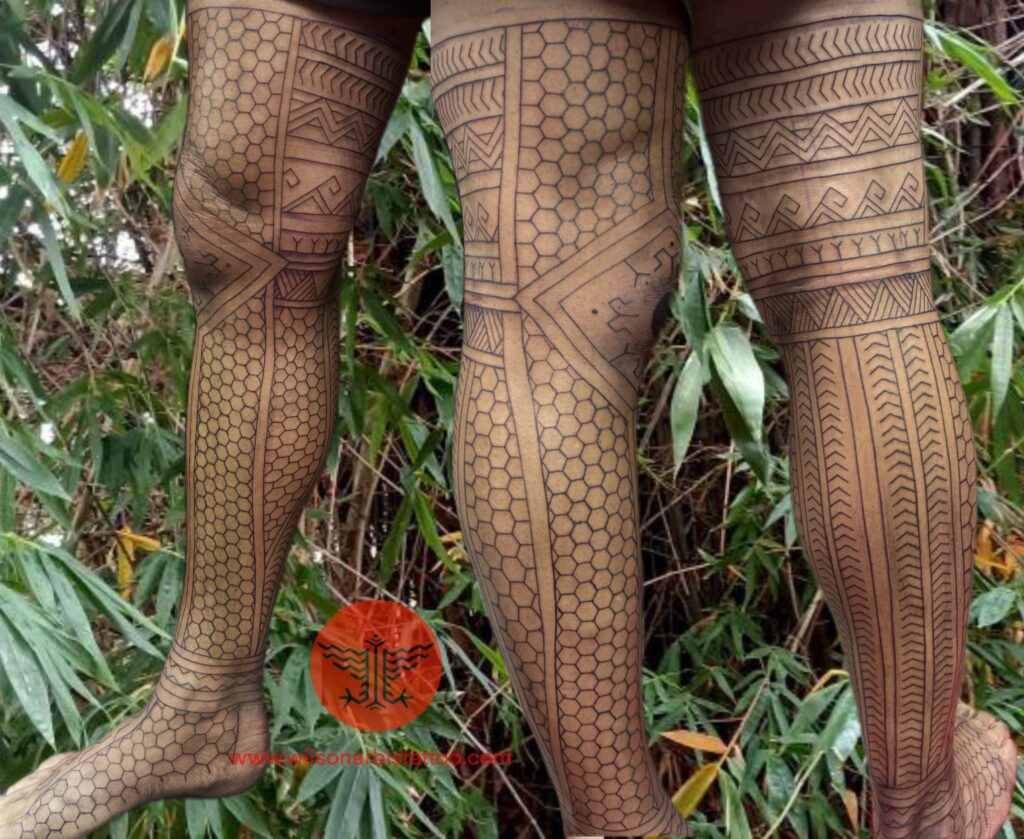
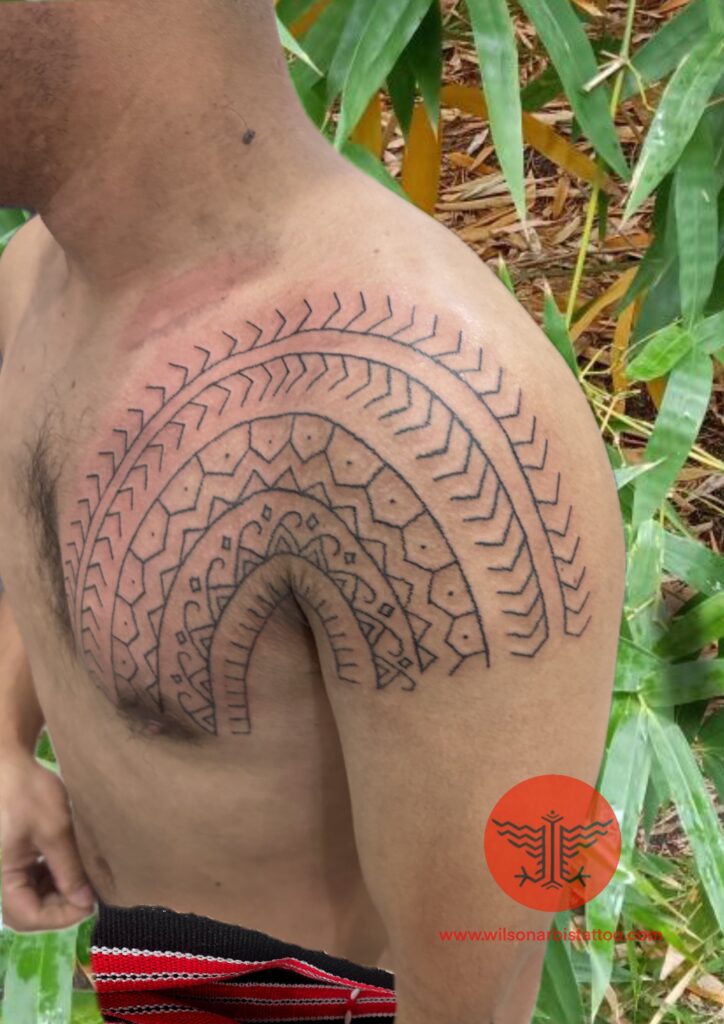
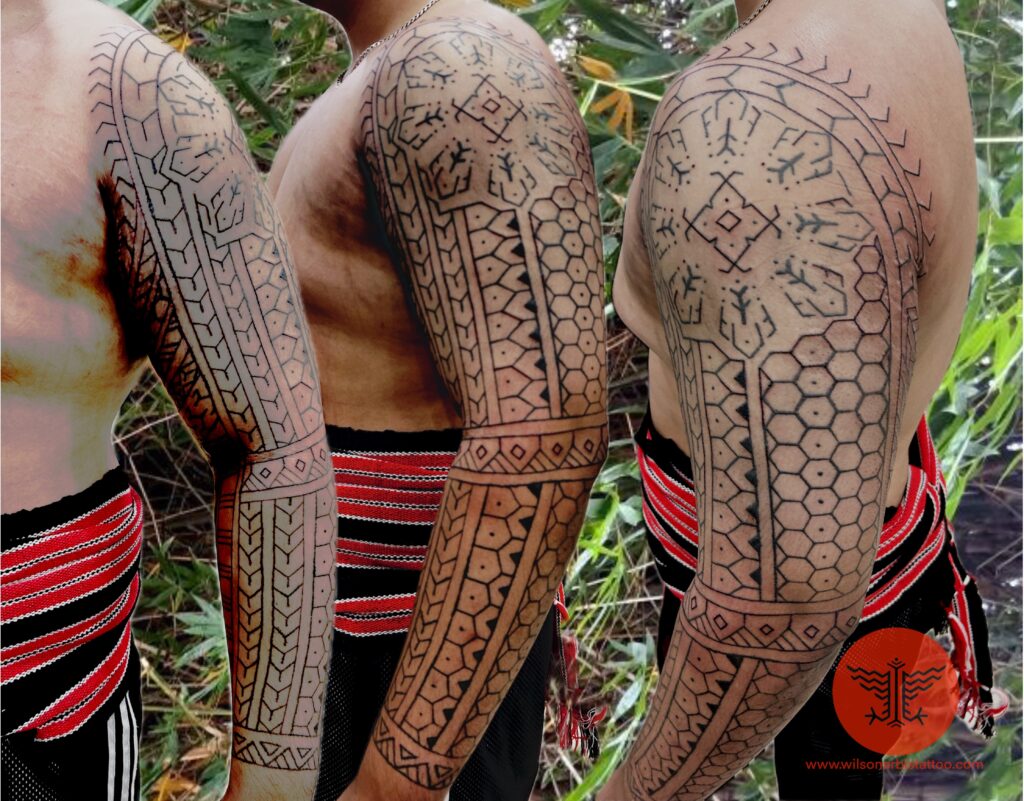
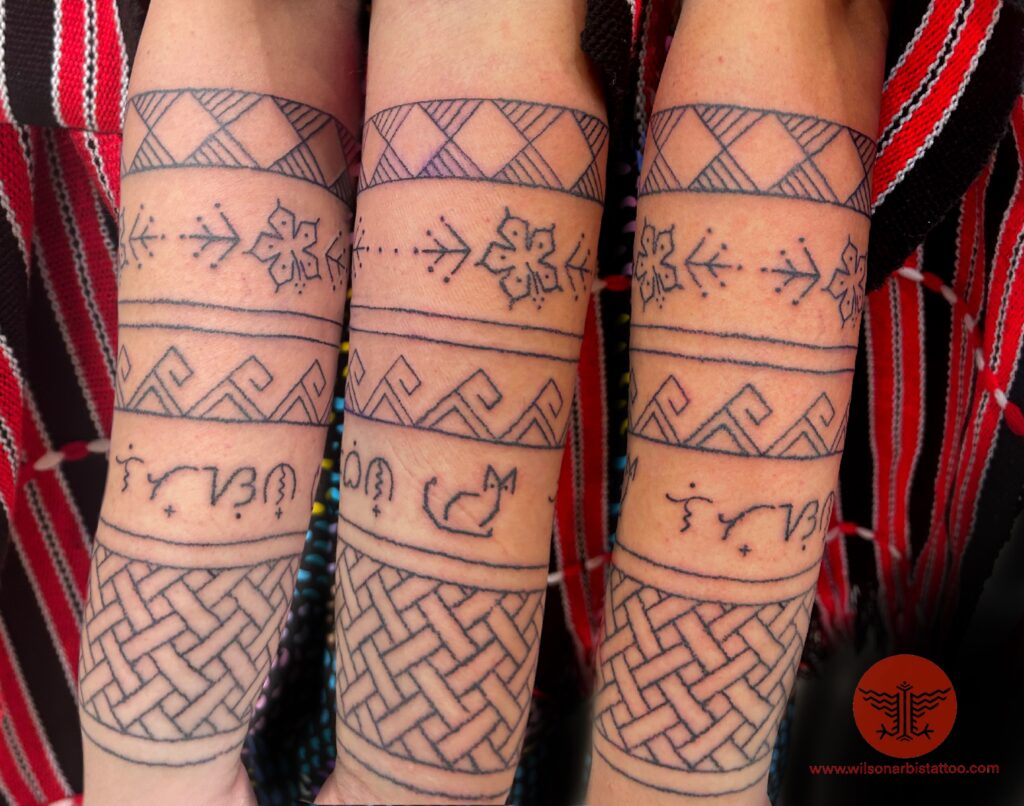
That independence later became an advantage. When he looked around the Australian tattoo scene, he noticed something missing: there was no one truly specializing in Filipino tribal work. “I saw the opportunity to continue the tradition of Batok handtapping partially due to the fact that there wasn’t any tattooist that specialised in Filipino tribal style at the time,” he said. “So I figured since I am part igorot, I thought it was perfect that I specialise in this style.”
Building bridges through ink
In Australia, Wilson’s batok work has drawn curiosity—and respect—from a diverse crowd. “Batok tattoos has been positively well accepted by both non Filipinos and Filipinos in Australia,” he said.
But what makes his work stand out is how he merges cultures without diluting tradition. Alongside Cordilleran patterns inspired by archival images of warriors, Wilson has incorporated Australian identity into his designs. “Some of my designs include Australian motifs of flora and fauna such as the Kangaroo, Emu, Platypus, Echidna, Eucalyptus, Waratah just to name a few.”
His work reflects a Filipino story still evolving abroad—one that doesn’t erase where it came from.
Keeping tradition alive, safely and respectfully
Practicing batok outside the Philippines comes with challenges, especially with materials. “Some challenges I have faced are the use of lemon thorn and traditional soot,” he said.
To adapt while maintaining professionalism, he developed his own tools and methods. “I utilise sterile top quality tattoo inks such as Dynamic Black and individually packaged and sterile needles which I modify to fit onto rattan or bamboo tools that I carve and create myself.”
Even while building a life overseas, Wilson stays grounded in his roots—through family, language, and discipline. “I stay connected to my Filipino roots through my family… and continue to speak Tagalog as much as possible,” he said. He also trains in Balintawak Escrima, a Filipino martial art that strengthens his connection to culture through movement and tradition.
Looking ahead, Wilson hopes batok continues to grow—not as a trend, but as a respected legacy. “My hopes… is to continue to hone and practice it as much as possible to pay respect to our ancestors,” he said. And someday, he dreams of opening studios not just in Australia, but also in the Philippines—creating a space where batok can be taught, protected, and passed on.
