



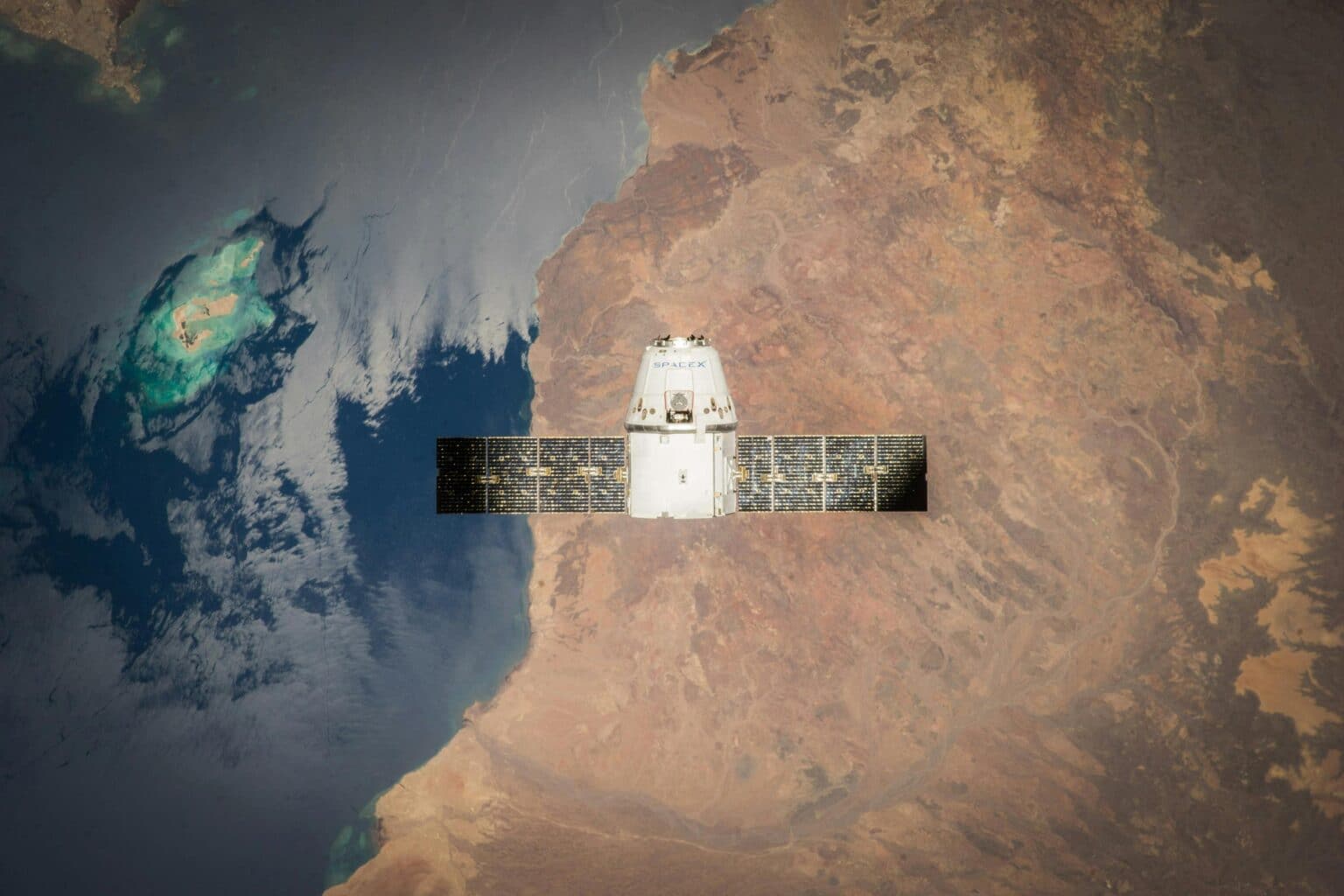

The Department of Information and Communications Technology (DICT) has announced a new partnership involving Globe and Starlink that could allow ordinary LTE mobile phones to access calls, text messaging, and mobile data even in locations without traditional cell towers.

Under the initiative, subscribers will be able to connect through Starlink’s network of more than 650 low-Earth orbit satellites, expanding coverage to areas where ground-based infrastructure has long been limited or absent.
Through this next-generation technology, ordinary LTE mobile phones will be able to access voice, data, video, and messaging services directly from space, eliminating the need for new devices or ground-based infrastructure. Powered by more than 650 low-Earth orbit satellites, Starlink’s network effectively turns each satellite into a “cell tower in space,” using advanced phased-array antennas and laser-linked systems to integrate with existing mobile networks seamlessly.
DICT said the move could significantly strengthen communications during disasters, noting that the Philippines experiences an average of around 20 tropical cyclones each year, which often damages critical infrastructure and disrupts connectivity in affected areas. With the satellite-to-phone system, mobile signal would remain available even when physical network facilities are destroyed or unreachable.

“This partnership will usher the Philippines into a new era of connectivity, especially for our unserved and underserved communities, and will be critical in times of disasters when communication can mean the difference between life and death,” said DICT Secretary Henry Aguda. “We will continue to support and welcome investments that expand access and ensure that no Filipino is left behind in the digital age.”
The Philippines, along with Indonesia, has been identified as a key market for the rollout of satellite-enabled 4G/LTE services, with the country expected to serve as an important testing ground for areas where mobile coverage is currently difficult to establish. Initial proof-of-concept deployments and testing are projected to take place during the first half of 2026, prioritizing remote islands, mountainous communities, and disaster-prone locations outside the reach of standard telecom towers.
DICT highlighted that Globe’s reported USD 1.0 billion investment and its subscriber base of 63.1 million users could accelerate the rollout of the satellite-to-cell service, potentially turning the technology into a practical solution rather than a long-term concept. If proven successful, the development could open wider opportunities for education, commerce, emergency coordination, and everyday communication in communities where signal access remains unreliable.
Similar Direct-to-Cell satellite services are already being adopted by major mobile operators in countries including the United States, Australia, Canada, New Zealand, Japan, Switzerland, Chile, Peru, Ukraine, and the United Kingdom.
