



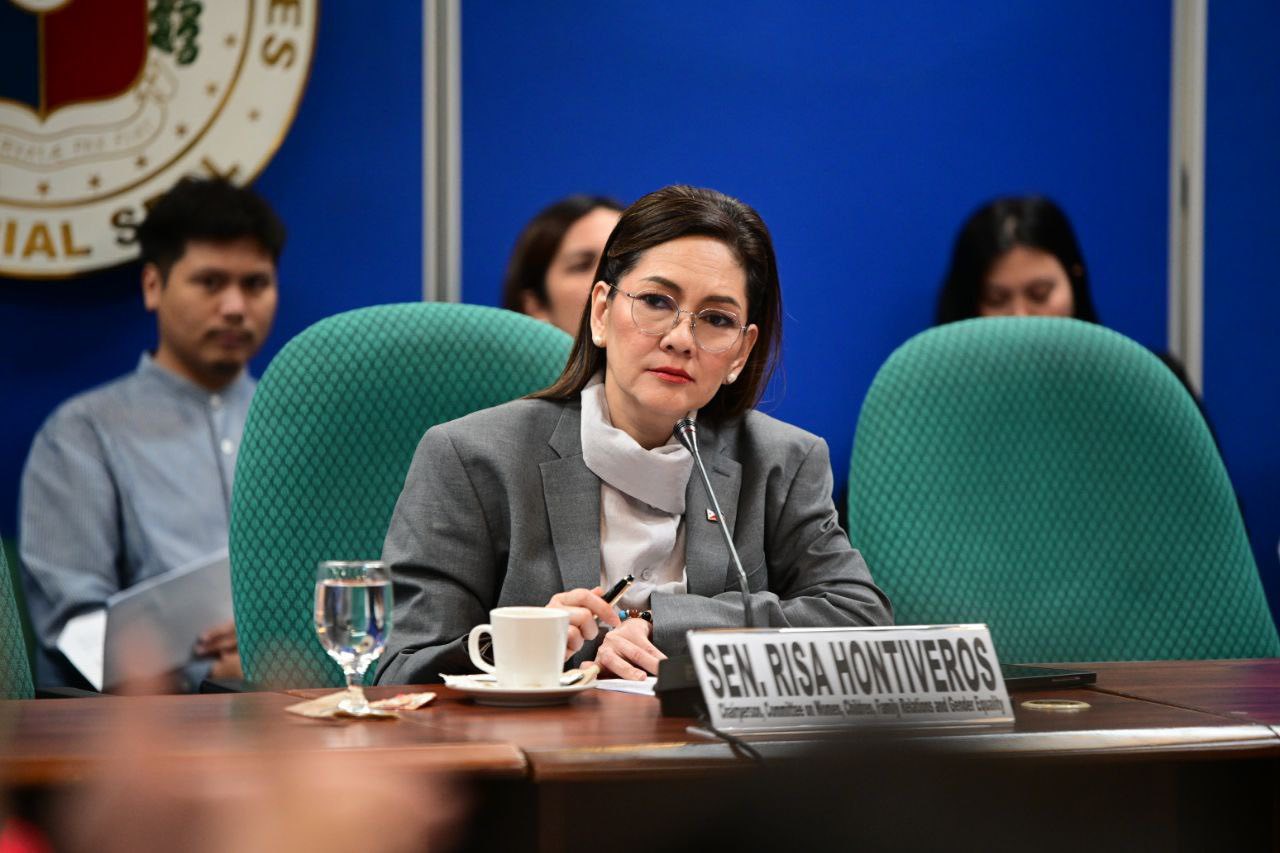

Beijing’s diplomatic mission in Manila has pushed back strongly against Senator Risa Hontiveros, accusing her of turning criticism of China into “political theater” rather than genuine advocacy for national interests.

The response followed Hontiveros’ description of China as a “bad guest” in the Philippines, a label that drew a pointed reply from Guo Wei, spokesperson of the Chinese embassy. Guo questioned the senator’s motives and suggested her statements were driven by self-interest rather than public service.
“Or are you simply pursuing your own political gains? If you truly care about the country, you wouldn’t repeatedly twist the facts, mislead the Filipino public, and incite hostility just to stay in the spotlight,” Guo said.
While the embassy did not specify which claims it considered distorted, it reiterated its longstanding position on the West Philippine Sea, grounding its assertions on its own reading of international law. The Philippines, along with many other countries, relies on the United Nations Convention on the Law of the Sea, which China has ratified and which underpinned the arbitral ruling that favored Manila.
Guo also denied any attempt to suppress dissent, telling Hontiveros that “no one wants to silence you, and no one should be silenced.” He cautioned, however, that public discourse has limits when it crosses into attacks on another country’s leadership.

“Freedom of speech is not a license to recklessly defame or attack others, let alone the head of state of another country—this is completely unacceptable,” he said. He later added, “What you’re doing isn’t advocacy—it’s political theater. And the price of that theater is paid not by you, but by ordinary Filipinos who deserve stability, cooperation, and truth, not manufactured confrontation.”
The exchange prompted Senator Francis “Kiko” Pangilinan to come to Hontiveros’ defense, shifting the focus to how the embassy delivered its message. Pangilinan criticized the decision to have a spokesperson, rather than the Chinese ambassador, issue the statement.
“It is, to my mind, duplicitous and cowardly to have Guo Wei, a subordinate, speak on behalf of the spokesman,” Pangilinan said. He added, “Better yet, let the brave Chinese Ambassador himself speak up. With all due respect, you insult us by having an underling lecture us on matters of foreign relations.”
Pangilinan further argued that bullying states mask insecurity by placing lower-ranking officials at the forefront of confrontations and called on the Department of Foreign Affairs, under Secretary Tess Lazaro, to summon the Chinese ambassador and consider filing diplomatic protests over what he described as insulting conduct by Chinese diplomats in the Philippines.
