



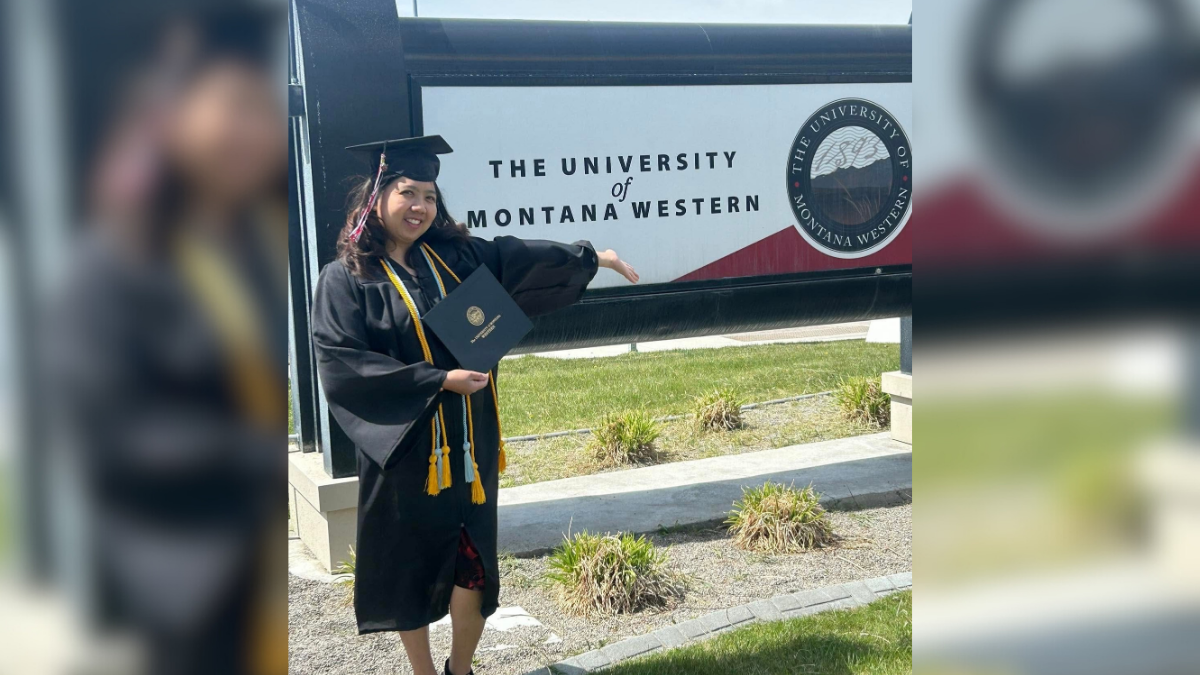

The first time she realized her classroom could change the course of a child’s life, it wasn’t in a well-resourced school or a familiar place. Rosel Joy Sison-Dalisay was thousands of miles away from home, standing in front of students whose needs were as complex as the journey that brought her there.

At 33, she carries the quiet confidence of someone who has spent more than a decade listening closely—to children, to communities, and to herself. Raised in Siling Bata, Pandi, Bulacan, she entered the teaching profession at just 19, long before she could have imagined that her work would eventually take her from the Philippines to Oman and, later, to a remote school district in Montana in the United States.
From a small town to a wider world
Teaching was never a temporary choice for Sison-Dalisay. It became her life’s work early on, shaped by six formative years in Philippine public schools under the Department of Education. Those years coincided with a period of national transition, as schools shifted from the Basic Education Curriculum to the K–12 system. She wasn’t just adapting; she was helping others adapt too.
Recognized as an Outstanding Teacher in 2015 and 2017, she was selected to mentor fellow educators, particularly in implementing the Kindergarten Curriculum with Special Education inclusion. “Helping schools develop more inclusive classroom practices for learners with disabilities” became a defining part of her early career. Beyond the classroom, she conducted teacher trainings, supported curriculum development, and learned how systems change—slowly, but meaningfully—when educators are willing to lead from within.
Her first overseas posting came in 2018, when she followed her husband to Oman. There, she taught Kindergarten at Philippine School Oman for two years, stepping into a multicultural environment that demanded flexibility and humility. It was her introduction to international education, and it reshaped her understanding of what teaching could look like across borders.
Then the pandemic hit. Like many educators worldwide, she returned to the Philippines and taught online for a year, navigating unstable connections, anxious families, and the urgent need to keep learning accessible. It was another test of resilience—and another reminder of why adaptability matters in education.
Choosing the harder classroom
In 2021, Sison-Dalisay moved again, this time to the United States, joining the J-1 Exchange Teacher Program. She was assigned to Crow Agency Public School in Montana, where she now works as a Special Education teacher. The setting could not be more different from where she began.
Serving students on the Crow Reservation, where around 90 percent of the population is Native American, her work sits at the intersection of education, culture, and advocacy. The school is part of a high-need, rural, and underserved community, and Special Education teachers are in short supply.
Her responsibilities are extensive and deeply personal. She provides individualized instruction to students with disabilities, develops and implements Individualized Education Programs, collaborates with general education teachers and support staff, and monitors academic, behavioral, and social-emotional progress. Just as importantly, she ensures that her classroom is inclusive and culturally responsive.
“I deeply appreciate my current work because it allows me to serve students who need advocacy, compassion, and specialized support the most,” she says. “I believe every child, regardless of ability, deserves dignity, opportunity, and access to quality education.”
What gives her the greatest fulfillment isn’t a title or recognition, but the quiet breakthroughs. “When a child who once struggled begins to read, communicate, or believe in themselves, it reminds me why this profession is my calling.”
Recognition without forgetting the work
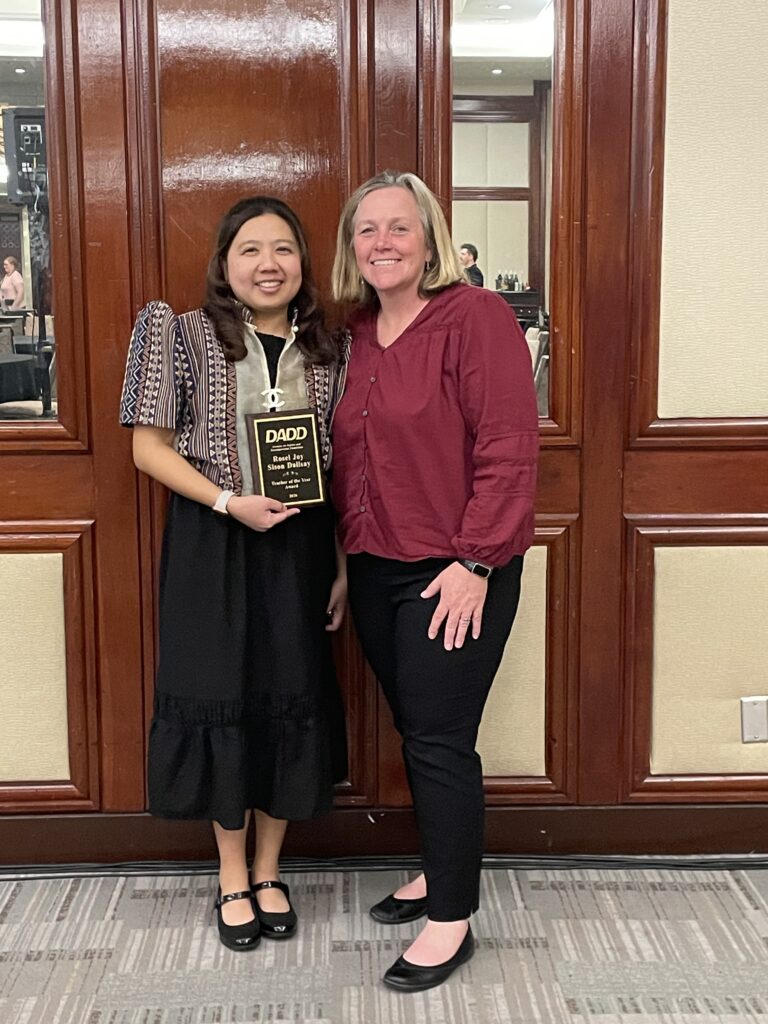
The national attention came later. In the United States, Sison-Dalisay received multiple honors, including being named DADD 2026 Teacher of the Year, earning the CEC 2026 Special Educator Rising Star Award, and receiving the DVIDB 2026 Distinguished Service Award.
For her, these recognitions represent something larger than personal success. They mark a journey—from a young teacher in a small Philippine town to an educator working in one of the most underserved communities in the U.S.
She is careful, however, not to let accolades define her purpose. Teaching on the Crow Reservation has sharpened her sense of responsibility. “Knowing that my presence provides stability, continuity, and hope for children with developmental disabilities is the most satisfying aspect of my work,” she says.

Building a life far from home
Working abroad was never just about career advancement. Sison-Dalisay describes it as both a personal and professional challenge, one that pushed her beyond her comfort zone. “Teaching is a global profession,” she says, “and I wanted to experience different educational systems, cultures, and communities so I could become a more effective and well-rounded educator.”
The reality of settling overseas, however, came with its own difficulties. In unfamiliar places, without an immediate support system, everything—from daily routines to cultural norms—required adjustment. “It felt overwhelming in the beginning,” she recalls.
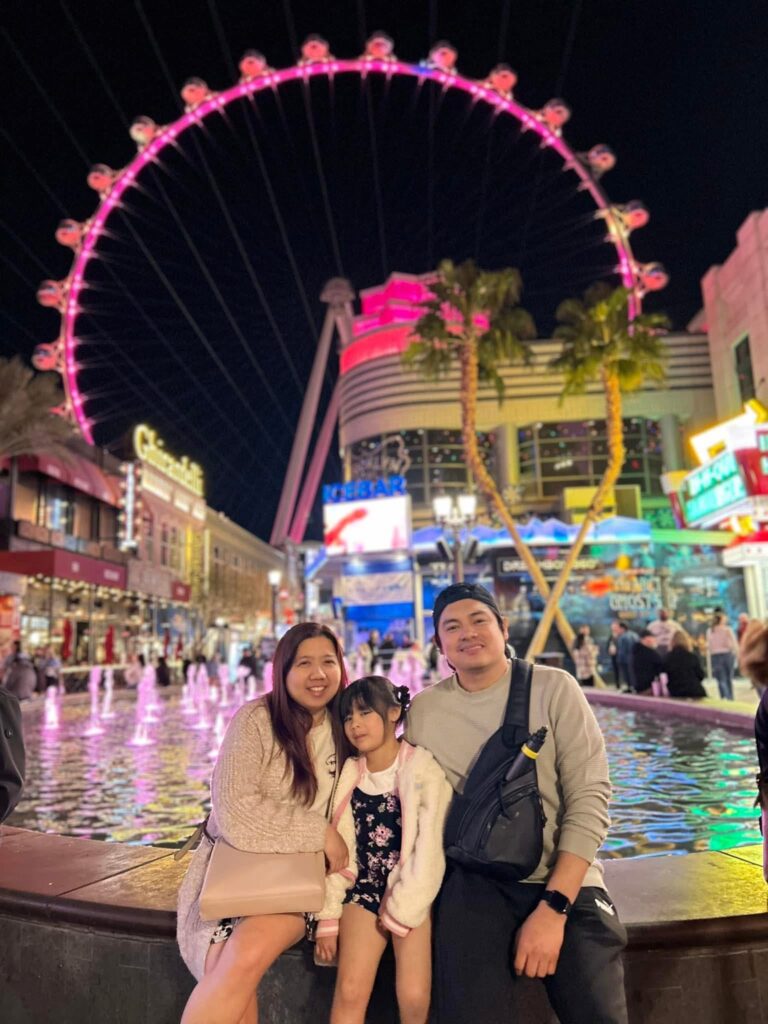
What helped was a deliberate choice to connect. By building genuine relationships within the community, she and her family slowly found their footing. “When you treat people with sincerity, support naturally follows,” she says. Over time, the community became an extension of their family.
Prayer, she adds, was a constant anchor. “It gave us peace during moments of uncertainty and reminded us to stay hopeful and strong.” Through every transition, staying together as a family remained her greatest source of strength.
The wider meaning of working overseas
For Sison-Dalisay, the appeal of working abroad lies in perspective. Exposure to different educational systems and cultures has strengthened her ability to be flexible and inclusive. It has also allowed her to bring together global best practices and apply them where they are needed most.
She speaks often about service—not in grand terms, but as daily, intentional work. Teaching students with special needs in underserved communities has reinforced her belief that education can reduce inequities when it is paired with empathy and commitment.
Her presence in these spaces also carries symbolic weight. She wanted to represent Filipino teachers internationally and challenge assumptions. “I wanted to show that Filipino educators are dedicated, resilient, and capable of making significant contributions to education anywhere in the world.”
Looking ahead, giving back
When she talks about the future, Sison-Dalisay’s focus shifts outward. After completing her tenure abroad, she hopes to support other Filipino teachers who dream of working internationally. Many, she notes, already have the skills and passion—but lack access to information, mentorship, and confidence.
She wants to help bridge that gap by sharing her experiences and guiding others through professional growth. Advocacy, for her, means helping fellow educators recognize their worth and see that their talents are needed on a global scale.
By empowering others, she hopes to build a community of Filipino teachers who are confident, skilled, and purpose-driven—wherever they choose to serve.
A message for kababayans abroad
Her advice to fellow Filipinos working overseas is grounded and practical. “Always remain humble and grounded,” she says. “Humility opens doors to genuine friendships, trust, and respect.”
She emphasizes the importance of choosing relationships wisely and protecting family unity, especially when facing challenges in love, finances, or employment. Above all, she returns to faith as a source of clarity and strength. “When you place your plans in His hands, you will find peace even in uncertainty and confidence in every decision you make.”
