



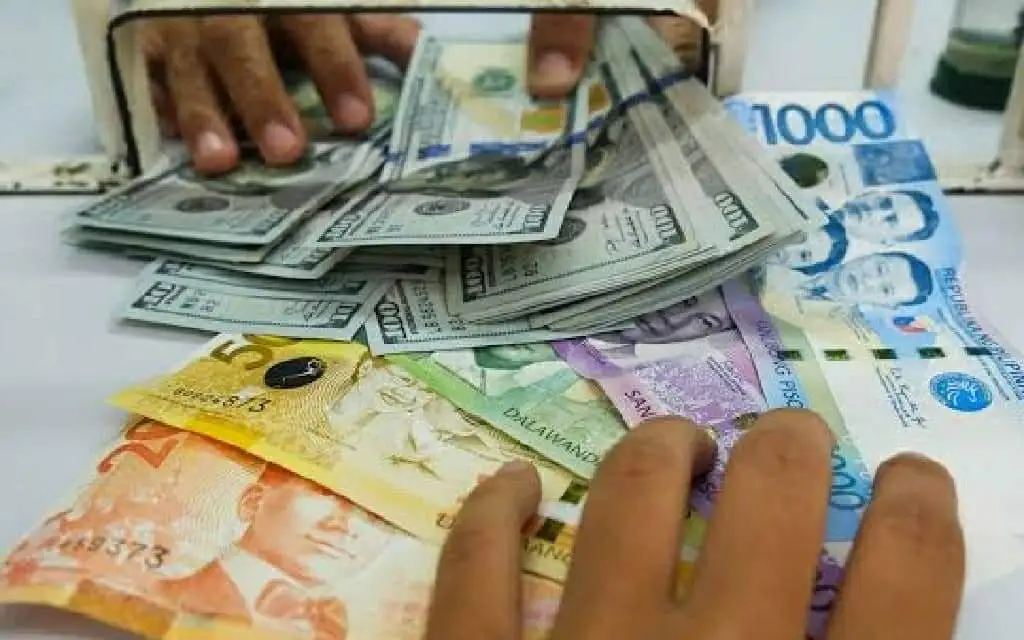

The Philippines closed 2025 with a larger external buffer, as the country’s gross international reserves climbed to US$110.9 billion, reflecting sustained foreign currency inflows tied to overseas employment and the outsourcing industry, data from the Bangko Sentral ng Pilipinas (BSP) showed.

The year-end reserve level marked an increase from US$106.3 billion recorded at the end of 2024, with analysts pointing to structurally strong dollar earnings from business process outsourcing firms and remittances sent by overseas Filipino workers as key drivers behind the expansion.
Despite the annual gain, reserves edged down slightly from November’s US$111.3 billion, a movement attributed to softer foreign investment flows during December, according to Rizal Commercial Banking Corporation chief economist Michael Ricafort. He noted that part of the decline was counterbalanced by higher valuations of the central bank’s gold holdings.
“This was partly offset by a 3.1 percent increase in the valuation of the BSP’s gold holdings to USD18.577 billion, driven by higher global gold prices,” Ricafort said.

At the end of December, the BSP reported that the country’s reserves were sufficient to cover 7.4 months of imports, a level well above the commonly cited international adequacy threshold of three to four months. The reserve stock consists of foreign currency assets, overseas investments, and gold, which the central bank uses to meet external payment needs, manage currency volatility, and respond to external economic shocks.
Looking ahead, Ricafort said the same sources of foreign exchange that supported reserves in recent years are likely to remain in place. “Still relatively high GIR compared to recent years/decades, now at USD110.9 billion, could fundamentally provide some support/buffer/cushion for the peso exchange rate, especially vs. any speculative attacks, amid proceeds of foreign borrowings/funding requirements by the government and by the largest companies,” he said.
The peso ended 2025 at 58.79 per U.S. dollar, slightly weaker than its 57.84 close a year earlier, but economists said the movement reflected broader global and domestic pressures rather than a loss of underlying support.
Economic analysts continue to point to the outsourcing industry as a reliable source of foreign exchange for the country, helping to stabilize reserves alongside OFW remittances. The BSP’s reserve position, they added, remains a key factor watched by investors and policymakers as the government manages foreign borrowing requirements and external risks in the year ahead.
