




A Facebook post written by a Filipino educator has ignited a nationwide conversation on classroom discipline, parenting, and childhood development after it rapidly spread across social media this week, drawing tens of thousands of reactions and sharply divided opinions.

As of posting time, the educator’s account had generated more than 50,000 reactions, over 2,000 comments, and at least 7,200 shares, turning what began as a classroom observation into a broader debate about boundaries for young learners in Philippine schools.
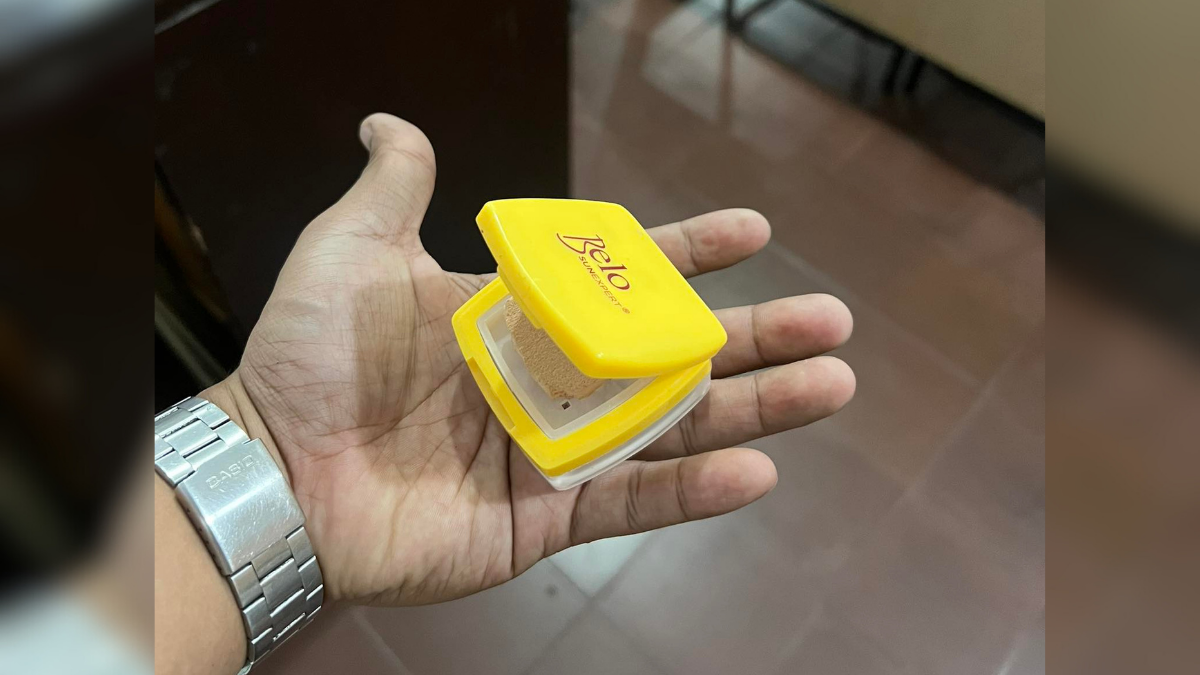
In his post, Juan Dela Cruz, who teaches elementary-level students in the Philippines, recounted an incident involving a nine-year-old pupil who applied makeup during class time. He wrote that he initially assumed it was playful behavior but became concerned when the child appeared disengaged from the lesson.
“Nagme-make-up mismo sa harap ko habang nagsasalita ako, 9 years old lang ito ha,” he said, adding that when he attempted to redirect the child by asking her to read aloud, “sadly.. di siya nakakabasa.”
The educator said he confiscated the makeup to regain the student’s attention, describing the moment as discouraging rather than punitive. “Napaisip na lang tuloy ako na bakit mas nauna niya pa na matutunan ang make-up kaysa sa pagbabasa,” he wrote, noting that the incident took place openly in front of the class.
According to the post, the situation escalated when a classmate reportedly shouted, “make-up gusto, basa ayaw aray mo ah,” a remark that the teacher said effectively ended the session meant to discuss appropriate and inappropriate behaviors for children.

The post quickly prompted thousands of responses, with commenters weighing in from multiple perspectives. One parent, identified as GA Mes, agreed that classroom rules must be enforced but emphasized emotional care, writing, “sana po napagsabihan din yung batang nagpaparinig, because no child deserves to be bullied or mapahiya in class.” The same commenter suggested that the makeup should be returned after class and urged greater patience for children struggling with reading.
Others shifted the discussion toward parenting responsibility. A commenter using the name Rd S Fam wrote, “Hindi lahat dapat iasa sa guro. Tayo ang unang guro. Tayo ang unang halimbawa,” adding that education should extend beyond academics to include values and behavior.
Some responses reflected generational comparisons, with commenters recalling stricter school policies in earlier decades. “Elementary at HS days bawal sa school make up, kahit liptint naninita, kinukumpis,” one user wrote, while others expressed concern that children are being pushed too quickly toward adult interests.
There were also voices urging moderation rather than prohibition. One parent commented that makeup use should be limited to the home, saying, “Pwede mo ibigay kung anu gusto ng anak mo pero dapat may disiplina at isalugar lagi.”
The educator did not issue a follow-up statement as of publication, but the volume and tone of responses underscore a growing tension faced by schools: balancing discipline, child development, and parental expectations in an era where classroom moments can instantly become public discourse.
