



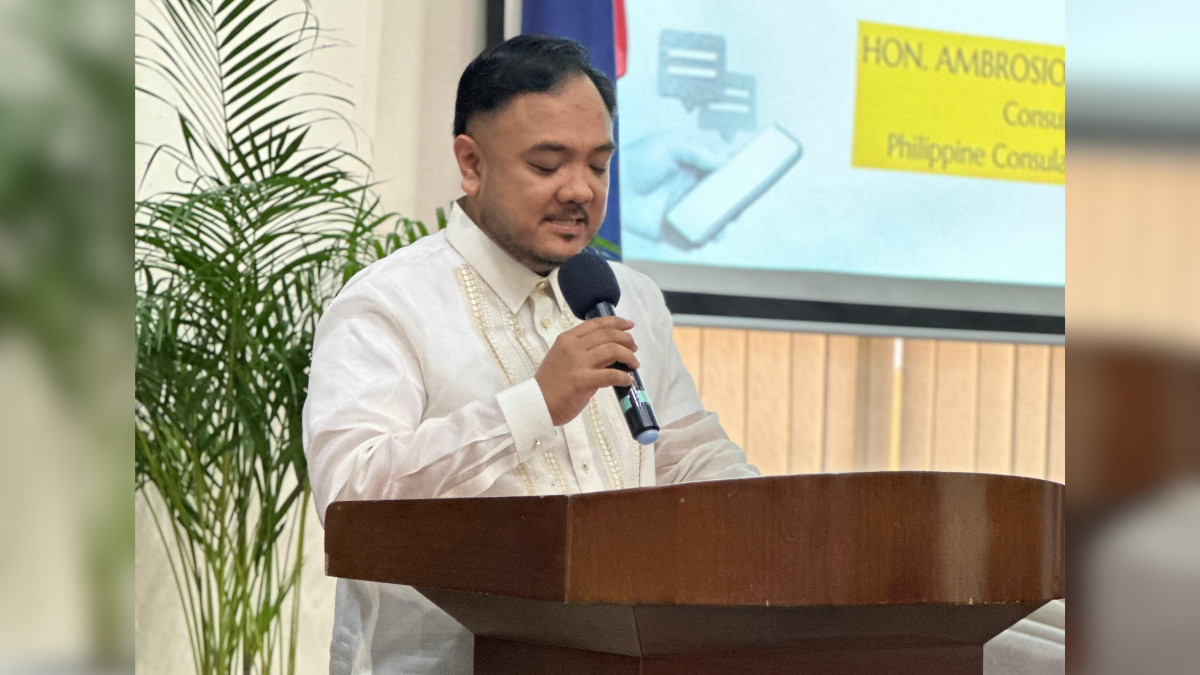

A shift toward a more consultative relationship with Filipino media organizations was outlined this week as the Philippine Consulate General in Dubai convened members of the Filipino Community Press Corps for a closed-door meet-and-greet at Rizal Hall on January 5.

The gathering was among the first public-facing engagements of Consul General Ambrosio Bryan F. Enciso III since assuming post, with senior officials from the consulate and attached offices present to signal closer coordination across diplomatic, labor, and trade functions. Vice Consul Jim Jimeno, Labor Attaché Atty. John Rio Bautista, and Philippine Trade and Investment Center Commissioner Vichael Angelo Roaring joined the discussion alongside representatives of Filipino news outlets, influencers, and digital content creators based in Dubai and the Northern Emirates.
Rather than a ceremonial call, the meeting was framed as a working exchange intended to surface community concerns and clarify how media can function as an information conduit between the consulate and Filipinos in the UAE.
Enciso used the forum to define the limits and responsibilities of the post he leads, stressing that while the consulate does not craft national policy, it plays a critical role in shaping how community realities are communicated to Manila. “The Consulate does not make national policy,” he said. “But we are the whisperer to the national government.” He noted that accurate reporting of overseas Filipinos’ experiences is essential to ensuring that those concerns are reflected in policy deliberations.
He also described a broader institutional direction focused on making the consulate more accessible and collaborative, characterizing it as a space intended to support engagement rather than function solely as a transaction point for documents and certifications.
Operational constraints were also addressed during the dialogue, particularly the volume of consular transactions handled daily. Enciso outlined ongoing efforts to improve appointment systems, review internal workflows, and increase staffing capacity, with the aim of reducing delays and easing the burden on applicants.

Parallel to these reforms, the consulate is pursuing expanded digital services. Officials cited plans to modernize internal systems, enhance online platforms, and introduce feedback channels that allow Filipinos to raise concerns more directly. Enciso also referenced opportunities for Filipino professionals to contribute to emerging discussions on climate-related innovation, renewable energy, and sustainability, noting these as areas where overseas expertise could be shared.
Labor protection featured prominently in the discussion, with Bautista reiterating commitments to faster response and clearer coordination for Filipinos dealing with workplace disputes, legal issues, or emergencies. He emphasized the need for timely information flow between workers, media, and government offices to prevent cases from escalating.
From an economic standpoint, Roaring outlined how the consulate supports Filipino entrepreneurs and professionals seeking to establish or expand ventures in the UAE, positioning Filipinos not only as employees but also as investors and business partners who contribute to bilateral economic activity.
Media coordination was formalized through an invitation for press corps members to join the Dubai PCG Media Mailing List, which will circulate advisories, invitations, and official updates from the consulate, POLO-OWWA Dubai, and PTIC. Officials said the initiative is intended to support consistent messaging and accurate public information.
For partnerships and cultural initiatives, the consulate said inquiries may be directed to its Cultural Section at cultural@pcgdubai.ae.
