




The resignation of Commissioner Rossana Fajardo has prompted opposition lawmakers to question whether the Independent Commission for Infrastructure (ICI) can continue operating at all, arguing that the body has been hollowed out barely months after it was created.

With Fajardo’s departure, the commission is left with only two officials—chairperson Andres Reyes Jr. and Special Adviser Rodolfo Azurin—since its establishment three months ago. Lawmakers from several opposition blocs said this reduced composition underscores what they see as a fundamental failure in the commission’s design and execution.
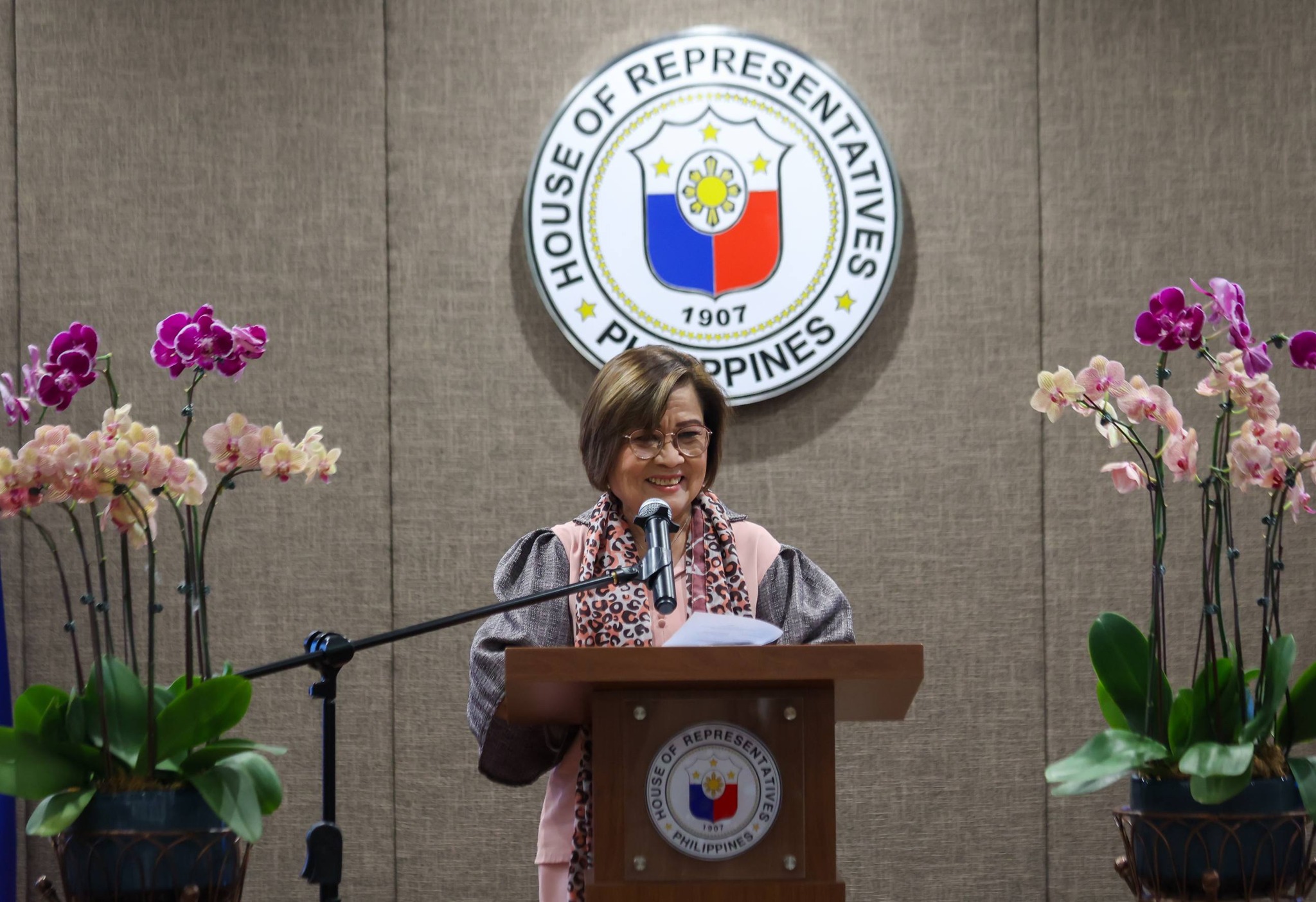
“This can very well be the end of ICI. Dapat kasi meron nang ICAIC by now,” said House Deputy Minority Leader Leila de Lima of the ML party-list, referring to the proposed Independent Commission Against Infrastructure Corruption (ICAIC), which opposition legislators have long advocated.
De Lima was joined by Makabayan bloc members Antonio Tinio of ACT Teachers party-list, Sarah Elago of Gabriela party-list, and Renee Co of Kabataan party-list, along with Akbayan party-list Rep. Perci Cendaña, in asserting that the commission has struggled more with internal exits than substantive output.
“Ba’t imbis na ulo ng mga korap, puro resignations ang binibigay sa atin ng ICI? Two out of three down, Bibingo na ang ICI,” Cendaña said.
Earlier resignations from the commission have pointed to structural weaknesses. Former commissioner Singson, who stepped down ahead of Fajardo, cited both the absence of sufficient authority and inadequate resources as obstacles to carrying out the body’s mandate.
Despite these concerns, House infrastructure panel co-chairperson Terry Ridon of Bicol Saro party-list urged Malacañang to act swiftly to keep the commission functional.

“We call on the President to appoint replacements for Ms. Fajardo and former Commissioner Singson at the soonest possible time to ensure that the work of the ICI continues uninterrupted in the new year,” Ridon said.
The ICI was created by President Ferdinand “Bongbong” Marcos Jr. to look into alleged irregularities surrounding government flood control projects. However, opposition groups have consistently argued that the commission lacks enforcement power, particularly because it does not have contempt authority if individuals summoned to hearings refuse to cooperate—powers that would be granted under the proposed ICAIC law.
“The ICI is a lost cause. Its members have resigned, it has no real transparency, and its credibility is always in question,” the Makabayan bloc said in a statement.
Responding to the criticism, Reyes said Fajardo’s decision to step down should not be viewed as a setback. In a statement, he said her resignation “comes at a natural point in the Commission’s work.”
He stressed that the ICI was formed with a “clear, time-bound mandate” focused on evidence gathering, fact-finding, and the formulation of corrective recommendations.
“To ensure the fulfillment of its mandate, the Commission will now focus on finalizing the remaining items that will be submitted to the Office of the Ombudsman in order to strengthen and add to the growing number of cases that will eventually be filed with the courts, and hold those involved accountable,” Reyes said.
“The Commission remains fully committed to submitting all its final recommendations and ensuring that the appropriate institutions — particularly the Ombudsman — have everything they need to bring these cases forward,” he added.
