



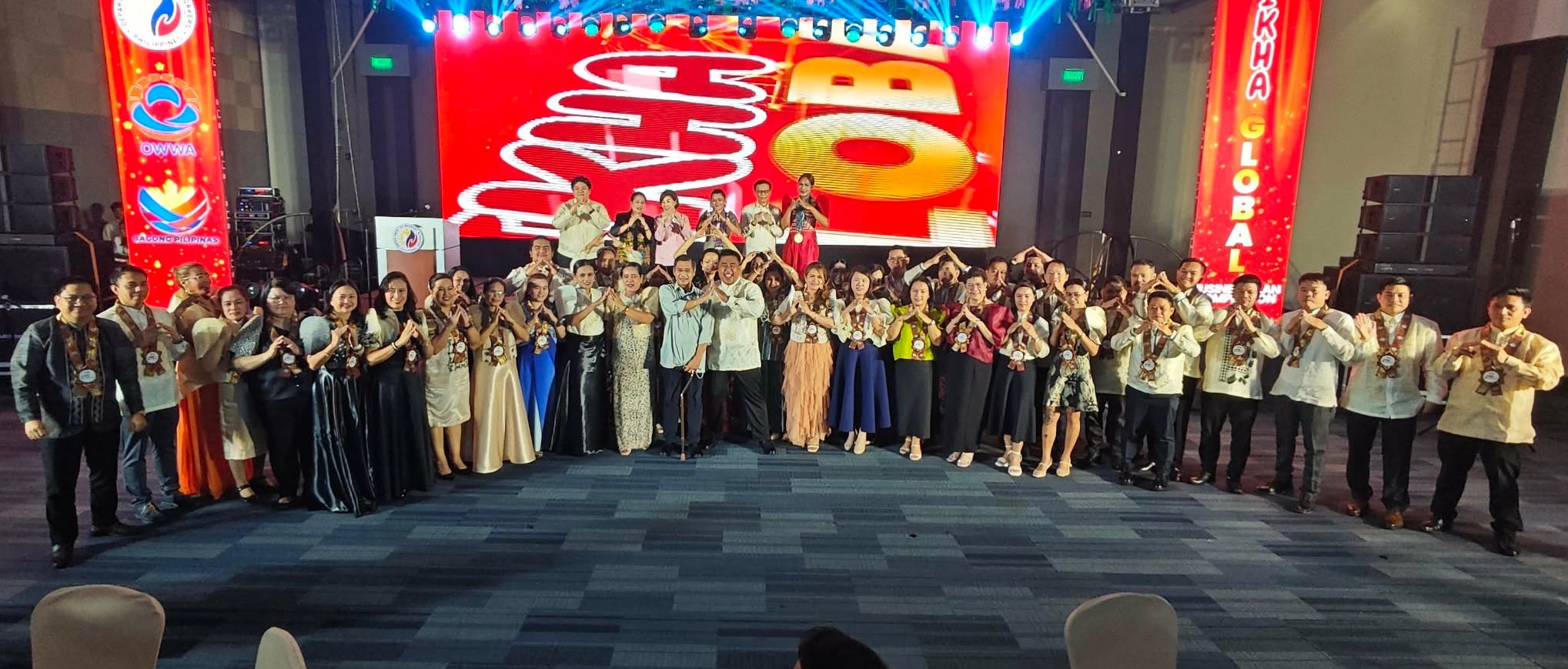

A Filipino overseas worker based in Qatar emerged as the top winner of the 2025 LIKHA Global Business Plan Competition, securing a P700,000 cash prize for a proposed enterprise focused on sustainable agriculture.

Marisol P. Amihan, a marketing manager at Jawhara Asia Hospitality & General Cleaning in Qatar, was awarded first place for her business proposal titled Sustainable Farm Development. Her entry topped the national competition organized by the Department of Migrant Workers (DMW), which recognizes innovative and viable livelihood ideas from Filipinos working abroad.
Two other OFW entrepreneurs were also honored during the awarding ceremony. Catherine G. Espiriti, a domestic worker in Kuwait, placed first runner-up and received P500,000 for her proposed goat-raising venture. Jimmy M. Chavez Jr., a CNC operator at Baumruk & Baumruk S.R.O. in the Czech Republic, finished as second runner-up and earned P400,000 for Lakbay Kultura Corp., a business concept centered on producing pure and fruit-flavored distilled nipa palm wine.
The LIKHA Global Business Plan Competition forms part of the DMW–National Reintegration Center for OFWs (NRCO) Kabuhayan Reintegration Program, which aims to help overseas Filipino workers establish sustainable sources of income through entrepreneurship upon their return to the Philippines.

A total of 38 active land-based OFWs advanced as finalists in the competition. The initiative builds on earlier editions of the program, including LIKHANG Kababaihan and LIKHANG Marino, which were held earlier this year to support women and seafarer entrepreneurs.
“Across the three editions of Likha, one truth has remained clear and inspiring: our OFWs are not only dedicated workers and professionals overseas, they are also thinkers, builders, and entrepreneurs with ideas worth investing in,” said DMW Secretary Hans Cacdac in his opening message.
Keynote speaker Teresita T. Sy, a long-time advocate of OFW entrepreneurship, emphasized the role of public and private collaboration in supporting migrant workers who aspire to become business owners.
“Through programs like LIKHA, and through strong partnerships between government and the private sector, we can help build a new generation of OFW entrepreneurs who will invest their experience here at home, create livelihoods in their communities, and inspire others to follow their example. When that happens, we are not only sending workers abroad—we are actually welcoming job creators back home,” Sy said.
