




Philippine security officials pointed to sharp declines in domestic extremist activity as they dismissed foreign reports suggesting that the perpetrators of the deadly Bondi Beach shooting may have trained in the country. The Armed Forces of the Philippines (AFP) said the number of members linked to local terrorist groups has fallen to about 50 in 2025, a steep drop from 1,257 in 2016, following sustained security operations and community-based development programs.

“There have been no recorded terrorist training activities, recruitment efforts, or large-scale attacks by domestic LTGs since 2016. This underscores the erosion of their operational capacity and the effectiveness of sustained security monitoring,” the military said, attributing the decline to the neutralization of 28 high-value individuals, including leaders of the Abu Sayyaf Group, Bangsamoro Islamic Freedom Fighters, and Dawlah Islamiya.
The AFP added that security conditions in the Bangsamoro Autonomous Region in Muslim Mindanao have improved, noting that Basilan no longer has an Abu Sayyaf presence and that Jolo, Sulu, and nearby areas are seeing renewed economic activity and tourism.
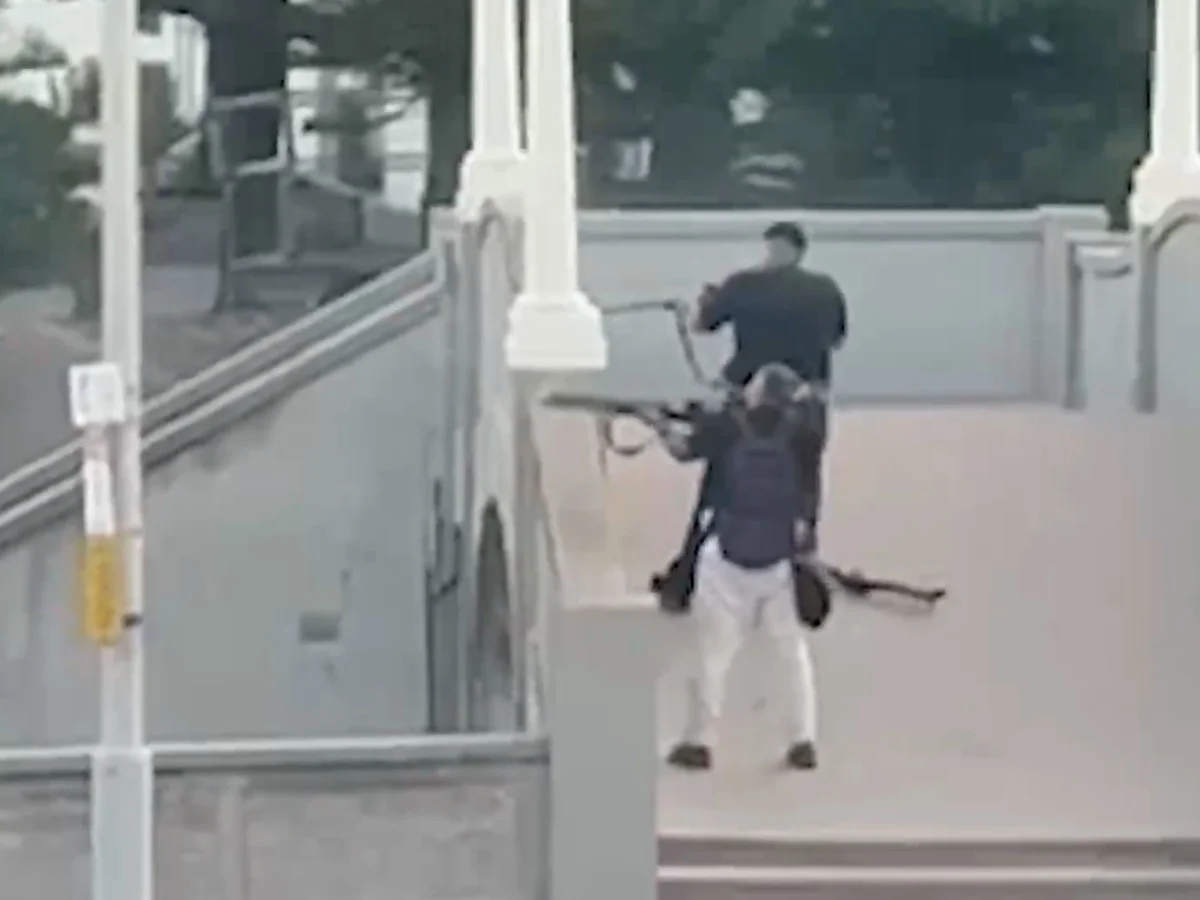
These assertions came as Malacañang rejected what it described as unfounded insinuations tied to the Bondi Beach attack in Sydney, which left at least 15 people dead. Australian police earlier said two homemade ISIS flags were found in the vehicle used by the father-and-son assailants, while stressing that the nature of their overseas travel “remains under investigation.”
“The President strongly rejects the sweeping statements and the misleading characterization of the Philippines as the ISIS training hotspot,” Communications Undersecretary Claire Castro told reporters, responding to claims that the suspects may have trained with extremists in Mindanao. She cautioned against irresponsible commentary, saying, “Maging mapanuri at responsable din po sa pagpapahayag lalo ito ay nakakaapekto sa integridad at imahe ng Pilipinas.”

Castro also read a statement from the National Security Council, which said, “Currently, there are no validated reports or information that the individuals involved in the Bondi Beach incident received any form of training in the Philippines.” The council added, “Philippine authorities, in coordination with international partners, continue to verify all available information but no evidence has been presented to support claims that the country was used for terrorist training.”
Government officials underscored that militant groups aligned with ISIS have been significantly weakened since the 2017 Marawi siege. “Both the United Nations and United States assessments indicate that these groups operate in a fragmented and diminished capacity,” Castro said, adding that violence in Mindanao is largely rooted in long-standing local conflicts and clan feuds rather than coordinated extremist operations.
President Ferdinand Marcos Jr. has directed the Anti-Terrorism Council and relevant agencies “to remain vigilant in preventing any terrorist activity within Philippine territory and to continuously enhance coordination with international partners to safeguard national security,” according to Castro.
Australian authorities have described the Bondi Beach shooting as a terrorist attack, noting that it occurred on the first day of Hanukkah during a gathering of the Jewish community at the popular seaside area in Sydney.
