



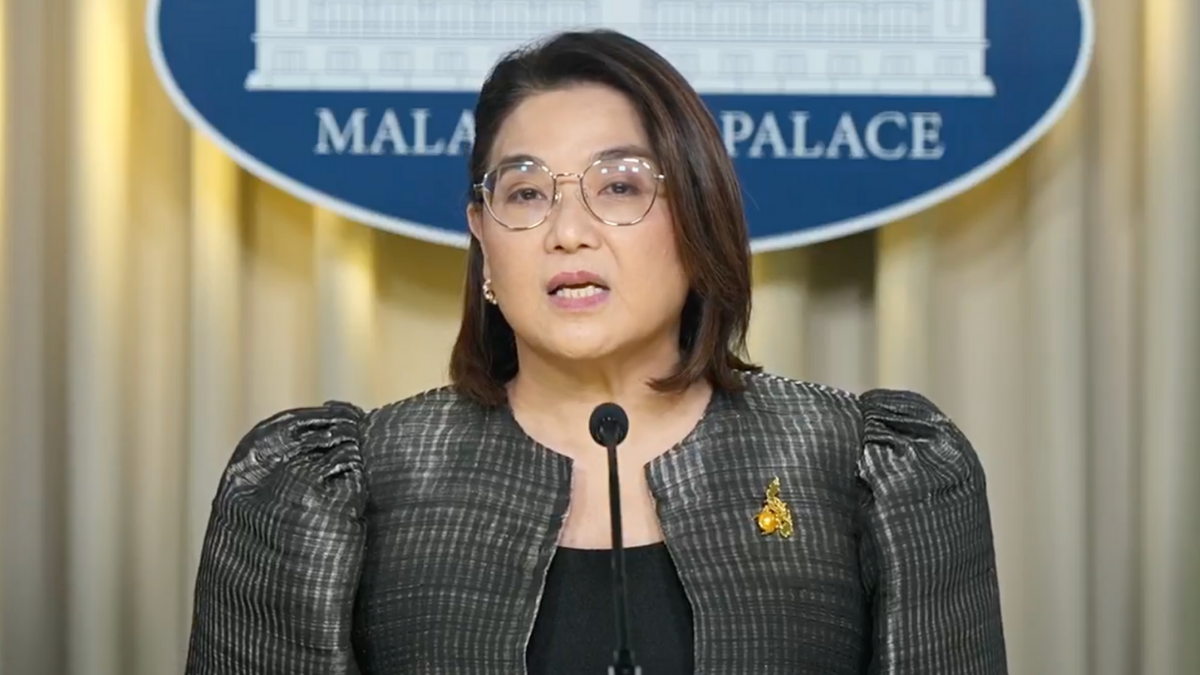

Questions surrounding the proposed multibillion-peso increase for medical aid to poor patients resurfaced this week as Malacañang stressed that the expanded allocation would be administered by health authorities, not elected officials.

At a press briefing on Monday, Palace Press Officer Undersecretary Atty. Claire Castro said the Medical Assistance for Indigent and Financially Incapacitated Patients (MAIFIP) program would be implemented by the Department of Health, with funds released straight to local government units and their hospitals.
“Hindi po kasi dadaan sa mga politiko ang pondong ito. Didiretso po ito sa local government units, sa LGU hospitals, at ang magpapatupad din po nito ay DOH,” Castro said.
Her remarks came days after a bicameral conference committee composed of senators and members of the House of Representatives approved raising MAIFIP’s budget to P51 billion for 2026. The adjustment followed a push from the House side to restore funding levels beyond the P24.2 billion initially proposed by the executive branch under the National Expenditure Program, with lawmakers arguing for a return to nearly P49 billion.
MAIFIP is designed to cover hospital and medical expenses for indigent patients and has long been associated with “guarantee letters” sought from senators and congressmen to secure assistance.
The funding increase, however, drew sharp reactions from critics, including Catholic Bishops’ Conference of the Philippines president Cardinal Pablo Virgilio “Ambo” David, who warned that the program risks becoming a form of patronage.

“Health care is no longer delivered as a right flowing from need and citizenship, but as a favor mediated by political power—a classic system of patronage that turns illness into utang na loob,” David said.
He also argued that essential services such as health care, education, and social protection should not depend on “generosity dispensed by those in power.”
Castro did not indicate whether President Ferdinand Marcos Jr. would veto the proposed MAIFIP allocation in the 2026 national budget, but she linked the higher funding to the administration’s push for zero-balance billing in local government-run hospitals.
“Ang plano po kasi ng DOH ay maiangat at maitaas ang budget ng MAIFIP para mas matugunan ang zero-balance billing sa LGUs,” Castro said.
“May mga ospital po na hindi sakop ng DOH at nais pang palawakin ang serbisyo sa ating mga mamamayan sa pamamagitan ng zero-balance billing sa LGU hospitals. Hindi po ito idadaan sa mga politiko; ito ay manggagaling sa DOH,” she added.
