



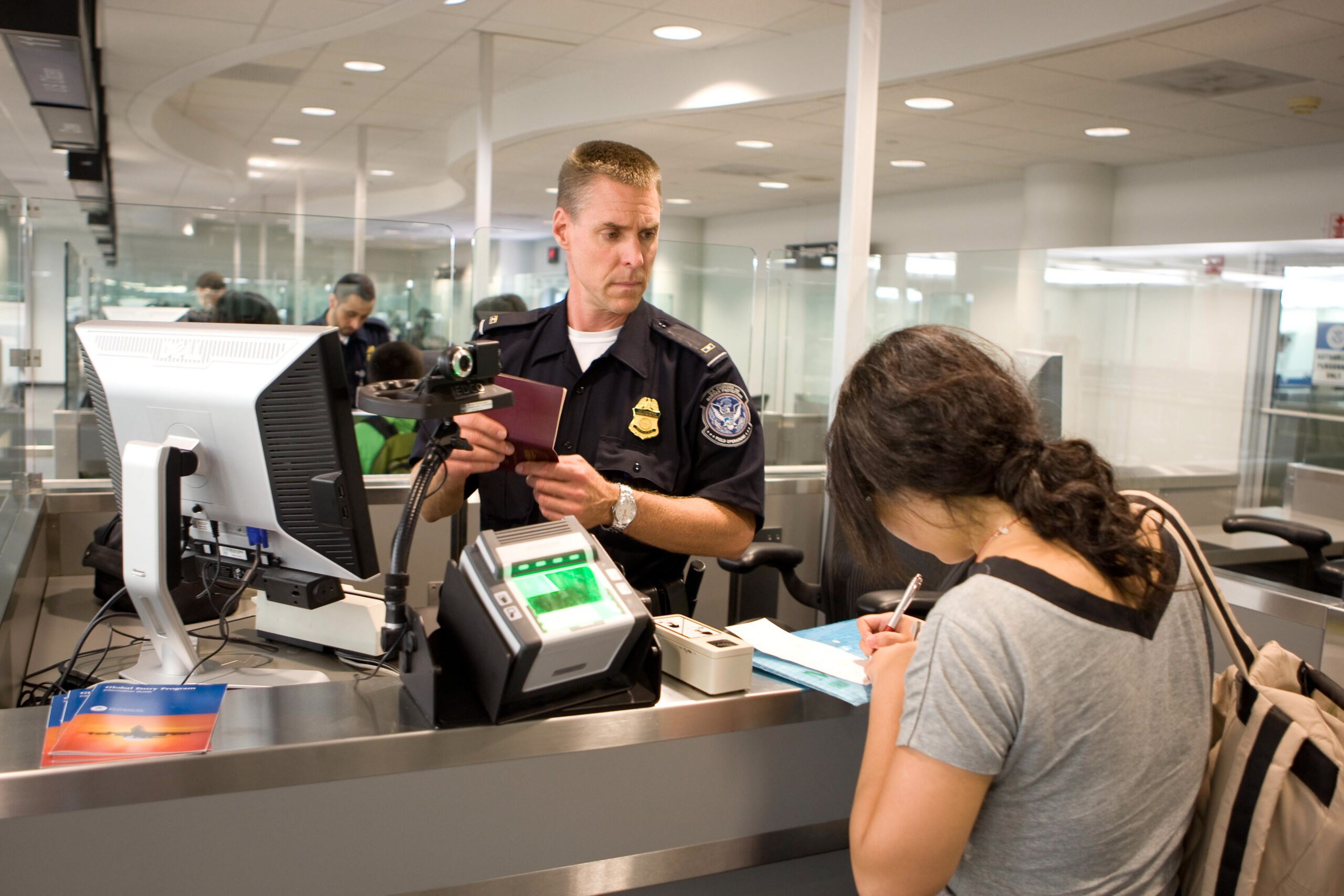

A routine online travel clearance used by millions of foreign visitors to enter the United States could soon demand far more personal information than ever before, as US border authorities move to expand the data collected from citizens of countries that do not need visas for short stays.

The proposal emerged in a notice posted in the Federal Register, outlining US Customs and Border Protection’s plan to require travellers using the Electronic System for Travel Authorization (ESTA) to provide details that reach beyond the current form’s basic biographical fields. The agency said it intends to gather as much as five years’ worth of social media activity from applicants, along with contact information spanning up to a decade.
The shift would affect nationals from 42 visa-waiver countries — among them Japan, Israel, South Korea, Greece, Malta, Qatar, Australia, New Zealand, the United Kingdom and Germany — who are allowed to enter the US for business or leisure for trips lasting up to 90 days. These travellers now receive automated clearance without needing an embassy interview, a process markedly different from the traditional visa system.
Several additions to the application are under consideration. CBP said it wants to collect phone numbers used in the past five years and email addresses used over the previous 10. Authorities also disclosed plans to introduce what they call “high-value data fields,” which would include metadata extracted from uploaded photographs, expanded information about family members — such as their birthplaces and historic phone numbers — and a suite of biometric identifiers ranging from fingerprints to DNA and iris scans.

A question about social media accounts was first introduced to ESTA in 2016 but answering it has never been compulsory. At present, the form mainly requests limited background information, including parents’ names, a current email address and disclosure of any criminal history.
Officials did not explain what they intend to evaluate in applicants’ online activity or why the government is seeking broader data, but the agency linked the proposal to an executive order signed in January by President Donald Trump directing the federal government to intensify screening measures to block potential security threats.
Travellers who apply for visas through embassies or consulates — including those from countries outside the Visa Waiver Program — already must submit their social media identifiers, a policy introduced during Trump’s first term and left in place under President Joe Biden.
The Federal Register notice states that the public has 60 days to provide feedback on the proposed changes before any final decision is made.
