



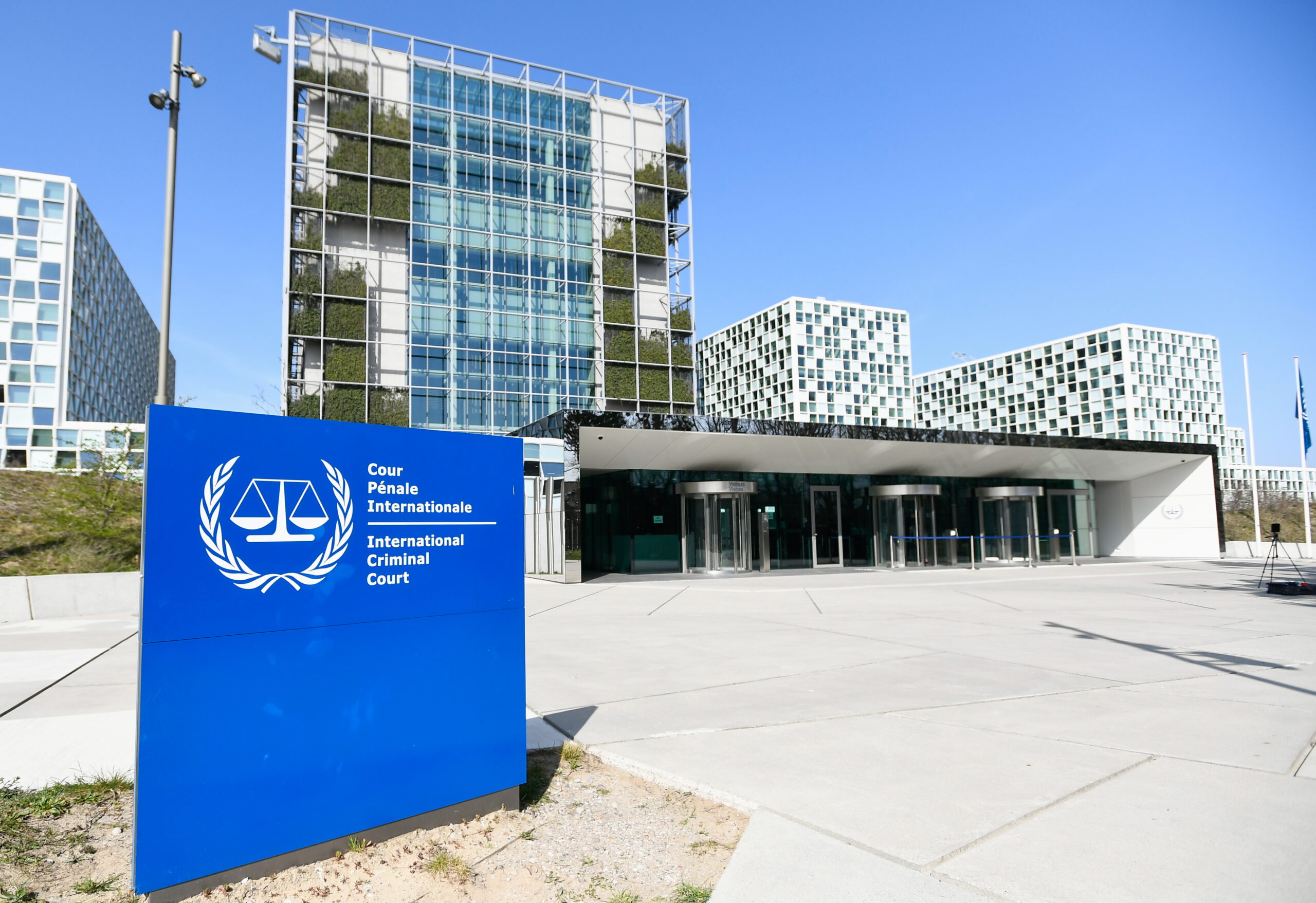

International Criminal Court (ICC) judges are being pressed to confirm that the tribunal can continue examining alleged crimes linked to the former administration of Rodrigo Duterte, even though Manila has already exited the Rome Statute. Two separate filings—one from the Office of the Prosecutor and another from the Office of Public Counsel for Victims (OPCV)—counter the former president’s bid to halt the case on jurisdictional grounds.

Prosecutors highlighted that their investigation concerns accusations of “murder of numerous civilians” during the so-called drug war. They stressed that legal steps had begun before the Philippines’ withdrawal took effect, a sequence they say preserves the court’s authority.
Central to their argument is Article 127 of the Rome Statute. The prosecution describes that provision as a safeguard preventing states from escaping scrutiny simply by quitting the treaty. The brief cites its exact wording: “A State shall not be discharged, by reason of its withdrawal, from the obligations arising from this Statute while it was a Party.” The document argues that ignoring this clause “would strike at the heart of the Philippines’ status as a State Party at the time of the alleged crimes.”
The prosecution further asserts that the initial review in 2018—before Manila’s notice of withdrawal—qualified as a genuine legal step. They describe that stage as an “active and focused inquiry leading to a specific legal conclusion,” which, they say, placed the matter within the ICC’s consideration. According to the filing, “Yet Mr Duterte’s administration withdrew the Philippines from the Statute even as the alleged campaign of killing continued, commencing this process within days of the former Prosecutor announcing that she had initiated a preliminary examination of these allegations.”
Prosecutors argue that the Statute was crafted to strike a balance between a state’s right to withdraw and the necessity of upholding the treaty’s intent to protect civilians. “The Statute therefore balances these interests precisely. This is reflected in the meaning given in the Decision to the relationship between articles 12-13 of the Statute (jurisdiction) and article 127 (withdrawal),” the document explained. The filing ultimately asks the Appeals Chamber to reject the defense appeal and permit the investigation to advance.

A separate submission from the OPCV, filed on the same day, supports that view. The OPCV counters the defense position by asserting that the appeal “grossly misrepresents” earlier judicial determinations. Principal Counsel Paolina Massidda warns that reading the treaty in the way advanced by the defense would create an easy escape route for leaders under scrutiny. “It would be entirely against the object and purpose [of the law] to interpret it in a way enabling a State Party to evade these responsibilities by withdrawing from the Statute immediately after such crimes are being examined,” the filing states.
The OPCV recounts the drafting history of the Rome Statute and argues that the authors were “acutely aware” that governments might attempt to walk away at the moment potential violations came under review. The submission adds that the phrase “any matter” before the court should be understood broadly, covering the earliest step of a prosecutorial examination.
The victims’ counsel also points to Manila’s conduct after its withdrawal notice, citing the government’s engagement with the ICC, including a request for deferral and later actions connected to Duterte. “The Chamber found that this continued engagement of the Government of the Philippines lends further support for the interpretation that the Court retains jurisdiction pursuant to article 127(2) of the Statute,” as explained in the document.
According to the filing, these actions amounted to “subsequent practice” confirming ongoing obligations. “This was a deliberate act aimed at fulfilling its specific obligation arising from the Statute which in turn constitutes a discernible subsequent practice.66 This was also confirmed by the Supreme Court of the Philippines67 which also forms a part of the subsequent practice of the withdrawing State,” the document notes. The OPCV describes the defense claims as “misguided” and asks the court to dismiss them so proceedings involving the Philippines can continue.
