



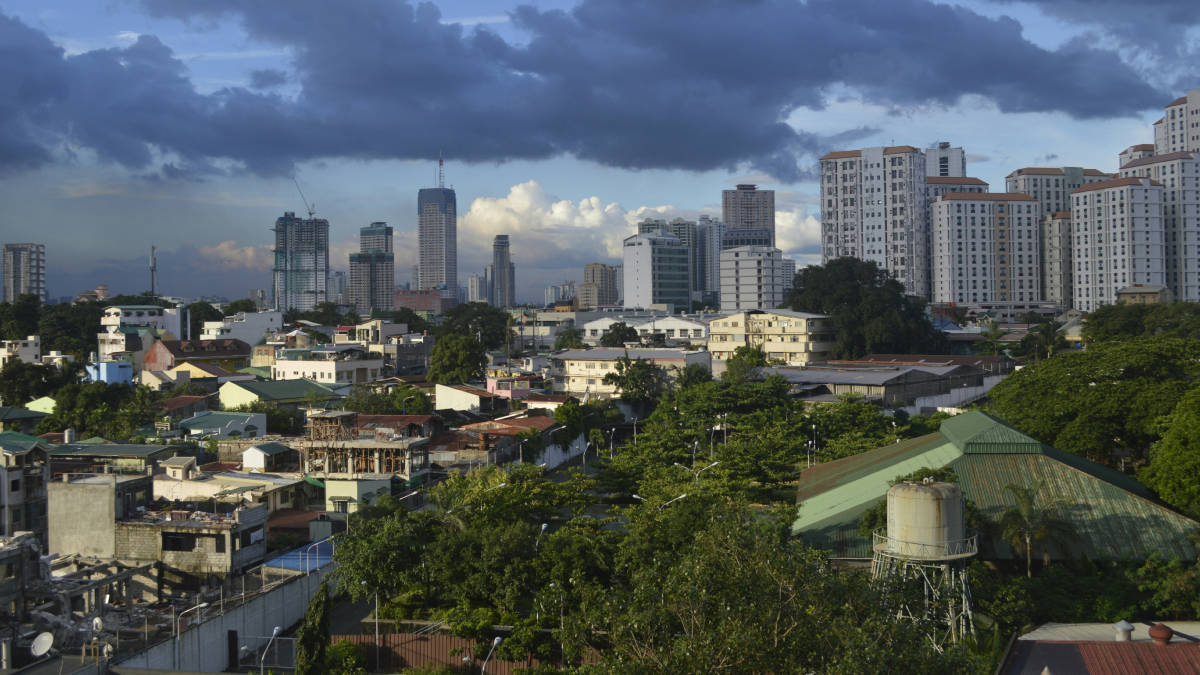

Future earnings in the Philippine capital could move much closer to European living standards over the next quarter century, according to a new assessment by Oxford Economics. The firm pointed to the acceleration of Asian cities in global value chains and the rising prominence of business services in the region.

The latest household survey from the Philippine Statistics Authority reported an average family income in Manila of P482,490 in 2023, a figure that stood well above the national mean and represented a 16.7-percent increase from 2021. In the wider National Capital Region, the average reached P513,520, nearly 23 percent higher than two years earlier.
Oxford Economics associate director Liam Sides and senior economist Christopher Reynolds said Manila is projected to add more than a million business-services jobs between 2025 and 2050. They noted that these roles now extend beyond call-center work to include IT, software development, data analytics and other technical functions that offer stronger pay prospects and better career mobility.
Similar patterns are expected in other major Asian centers including Delhi, Mumbai and Shenzhen, reflecting an ongoing shift toward higher-value services. “Indeed, cities across Asia are becoming both significantly more populous and wealthier. In terms of the overall increase in high-income households between 2025 and 2050, Asian cities take eight of the top 10 spots globally,” they said.

Despite these gains, Oxford Economics indicated that Manila will remain the laggard among the nine Asian cities examined, with its income growth likely to make living standards “increasingly comparable,” though not fully aligned with European averages by 2050. The European Commission’s Eurostat policy department places average annual income in Europe at €37,860, or roughly P2.6 million at current exchange rates.
Other cities are expected to outpace that benchmark. Shanghai, Beijing, Bengaluru, Hyderabad, Shenzhen, Jakarta and Mumbai are projected to exceed European city living standards, while Ho Chi Minh City could meet them. In India, Hyderabad and Bengaluru are expected to surpass the average before the end of the next decade, with Mumbai following before 2050. Jakarta is seen moving along a similar path, supported by natural resources and a young, highly skilled labor force.
“Overall, these shifts represent a dramatic reversal, with people in China, India, and Indonesia returning to more similar levels of income relative to Europe, as they had before the Industrial Revolution,” Sides and Reynolds said.
“Convergence in global living standards is not inevitable,” they added.
