




A softer climb in food prices helped pull down the country’s inflation rate in November 2025, according to new data released by the Philippine Statistics Authority (PSA).

Speaking at a briefing on Friday, PSA Deputy National Statistician Divina Gracia del Prado announced that overall inflation settled at 1.5% for the month. The figure edged below October’s 1.7% reading and kept the 11-month national average at 1.6%, well inside the government’s 2% to 4% target range.
Del Prado pointed to the weakness in a key price basket as the primary driver of the slowdown. “Ang pangunahing dahilan ng mas mababang antas ng inflation nitong Nobyembre 2025 kaysa noong Oktubre 2025 ay ang mas mabagal na pagtaas ng presyo ng Food and Non-Alcoholic Beverages na may 0.1% inflation rate,” she said. The same index had posted a higher 0.5% inflation rate in October and accounted for 85.3% of the month’s total inflation reading.
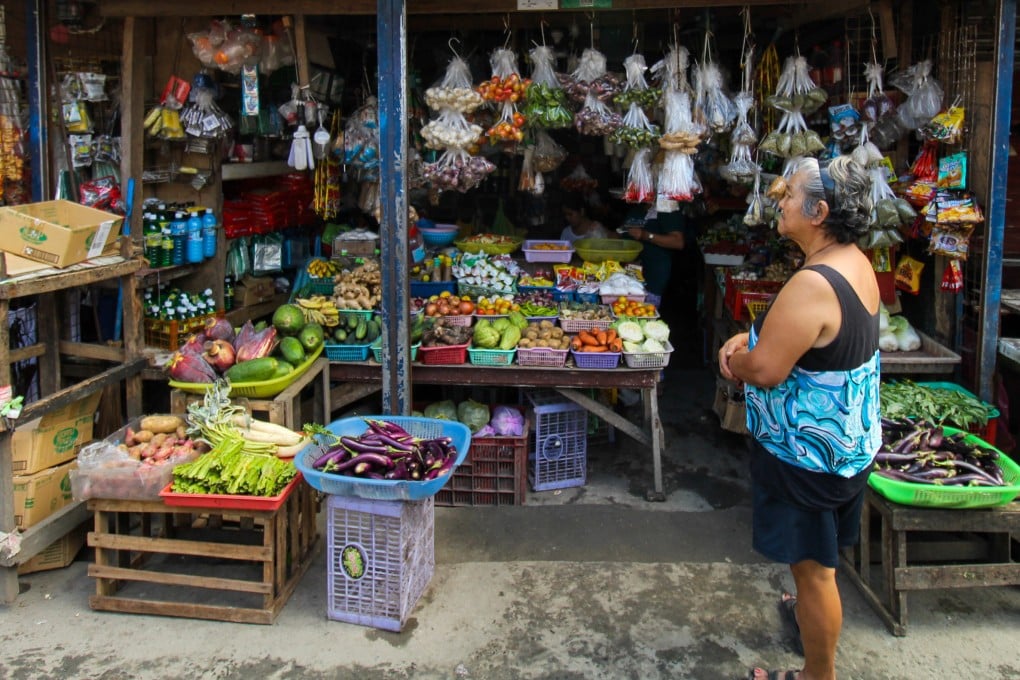
Food inflation alone slipped into negative territory at –0.3%, compared with a 0.2% increase the previous month. The drop reflected a sharp deceleration in vegetable price growth—from 16.4% month-on-month to 4%—alongside a slower rise in meat prices, which eased to 4.2% from 5.2%.
Separate statements from economic agencies outlined the government’s ongoing response to price pressures. DEPDev Secretary Arsenio Balisacan said the calmer inflation backdrop emerged as authorities continued “intensified efforts to ensure price stability through programs strengthening food supply chains and reinforcing food security.”

Balisacan said the administration is moving to expand affordable-rice outlets nationwide, noting plans to open more locations of the Benteng Bigas, Meron Na! program across all provinces before year-end to support vulnerable households in 2026. “The government will continue to manage price pressures and mitigate inflation impact through various measures such as opening more sites for the Benteng Bigas, Meron Na! across all 81 provinces before year-end to bring affordable rice to vulnerable households by 2026,” he said.
Other initiatives include new Department of Agriculture protocols intended to protect local farms from African Swine Fever while enabling safer pork imports. The guidelines allow regionalization by recognizing ASF-free zones within DA-accredited exporting countries, clearing imports from these designated areas.
Efforts to address electricity-related costs are also underway. Balisacan said the government is automating the registration of eligible 4Ps beneficiaries for the Lifeline Rate Subsidy, which will extend bill discounts to a broader set of low-income households.
Longer-term proposals continue moving through the policy pipeline, including the Waste-to-Energy Bill, which would authorize the development of facilities that convert residual solid waste into energy, expanding both waste management capacity and the national energy mix.
“The sustained moderation in inflation reflects our commitment to protect consumers and strengthen our economic resilience against global and domestic headwinds. We will continue implementing timely, well-coordinated policies to keep prices stable and ensure progress is felt by every Filipino,” Balisacan said.
