



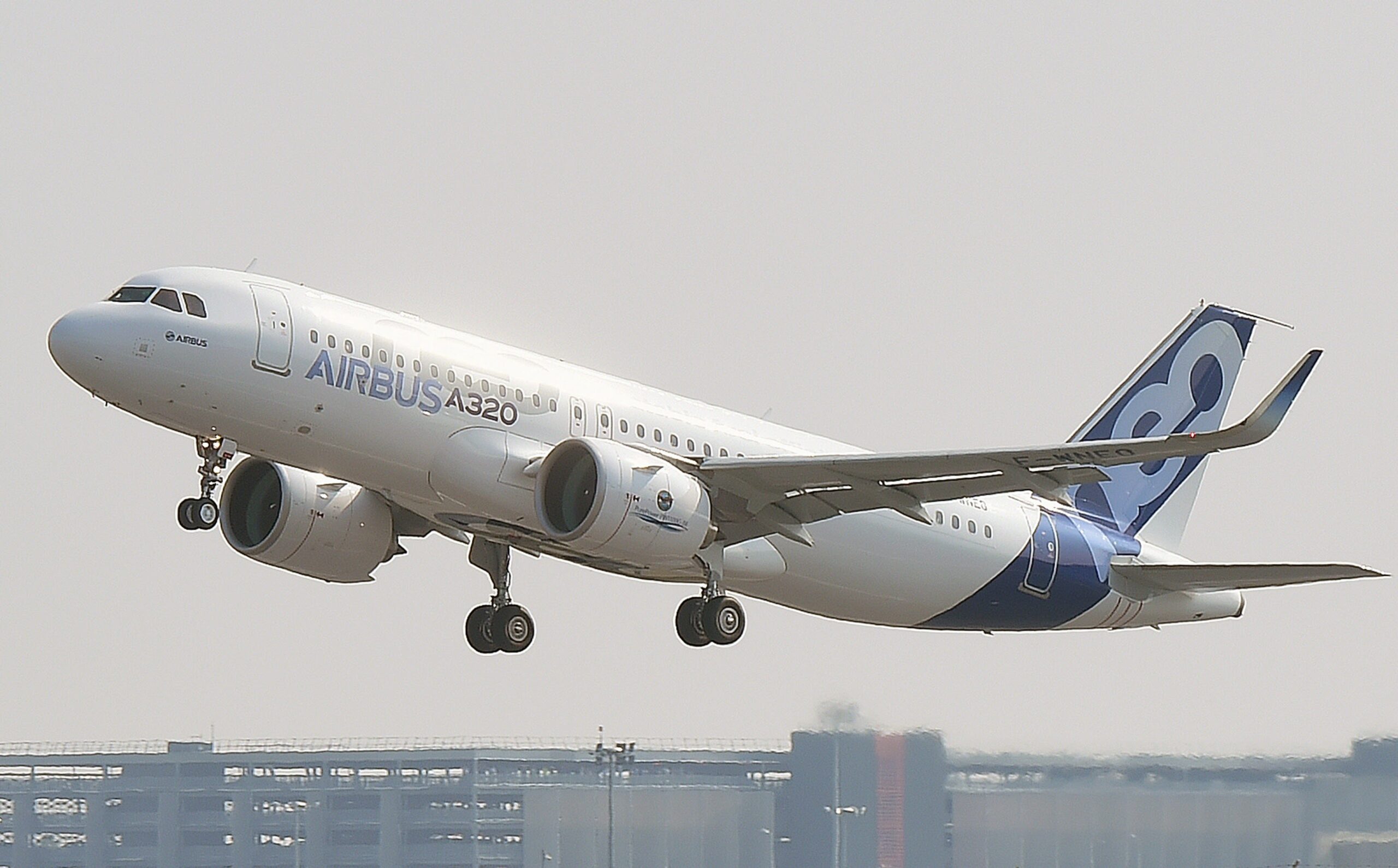

The Philippine Civil Aeronautics Board (CAB) has ordered local and foreign airlines operating in the country to move swiftly in managing passenger disruptions linked to Airbus’ massive A320-family aircraft recall, citing the need for “clear, accurate, and timely information” as carriers worldwide rush to complete mandatory safety fixes.

In an advisory released on November 29, Executive Director Carmelo L. Arcilla instructed airlines to activate their crisis management plans following the Airbus bulletin that grounded thousands of A320-series jets across the globe for urgent software reversion. The directive stressed that the response must prioritize stranded travelers, especially vulnerable passengers.
CAB said airlines must immediately assign a dedicated team to oversee all decisions and passenger support efforts. “Designation of a single point of contact and decision-making authority to coordinate all actions,” the agency stated, describing it as a critical requirement under the crisis plan.
The widespread recall—one of the largest in Airbus’ history—was triggered after a JetBlue A320 experienced a sudden uncommanded altitude drop on October 30 due to corrupted data in the aircraft’s ELAC flight-control system. Airbus later confirmed that about 6,000 jets need the update, adding that the repair takes around two hours but affects a large portion of the world’s fleet. “The timing is definitely not ideal for an issue like this to arise on one of the most ubiquitous aircraft around the (US) holidays,” aviation consultant Mike Stengel said earlier.
As airlines scramble to secure maintenance slots, CAB directed operators in the Philippines to secure partnerships with hotels, ground transport providers, and other carriers for rebooking or endorsement arrangements. These measures, the advisory noted, should ensure “assistance; alternative ground and sea transport providers, hotels for emergency accommodation.”
Airlines were further ordered to immediately notify customers of changes in flight schedules and provide real-time updates using all available channels. CAB emphasized the need for transparency, requiring airlines to relay information “through SMS, email, in-app notifications, and airport PA systems, if necessary.”

The agency also outlined passenger recovery options that airlines may offer, including rerouting through unaffected aircraft, endorsing passengers to another carrier, or arranging non-air transport when feasible. CAB said these choices must be communicated quickly and clearly, stressing that travelers should be informed of “the capacity of alternative non-air transportation option, and designated departure times.”
To avoid panic or conflicting information, carriers must maintain a coordinated response with airport authorities and air traffic control. “All airlines are hereby directed to issue a single, consistent public message to ensure clear communication and prevent unnecessary alarm among passengers,” the advisory read. They must also release updates “at least every four (4) hours, or as significant developments arise.”
For passengers already at the airport, airlines are instructed to mobilize additional staff to handle concerns, giving priority to families with children, the elderly, and passengers with medical needs.
CAB urged the public to rely only on official announcements for flight updates and avoid going to the airport unless told otherwise by their airline. “Passengers are advised not to proceed to the airport unless expressly instructed by their airline,” the advisory said.
The Airbus A320 family forms a major portion of fleets operating in and out of the Philippines, meaning local carriers could face extended delays as they wait for maintenance availability. International carriers using NAIA and other Philippine airports are also adjusting operations amid global congestion in repair facilities.
The Philippine government said it will continue monitoring the situation as airlines worldwide work to complete the mandatory fix ordered by the European Union Aviation Safety Agency.
