



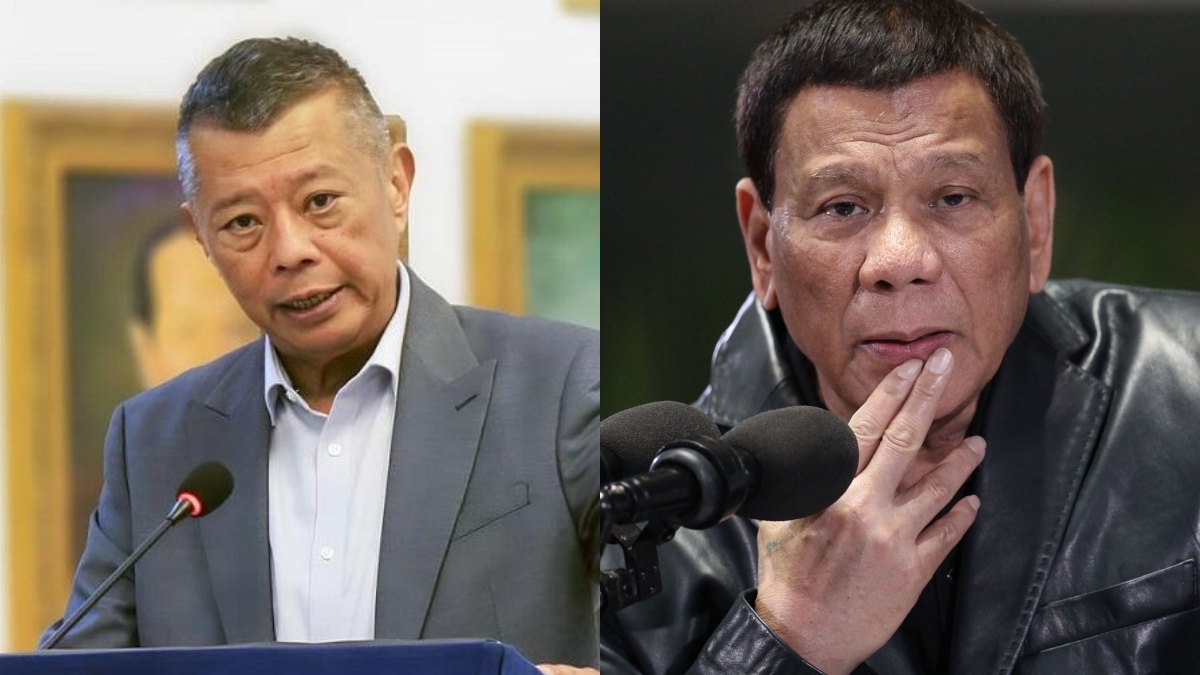

Newly appointed Ombudsman Jesus Crispin “Boying” Remulla has announced that his office will reopen investigations into complaints linked to former president Rodrigo Duterte’s controversial war on drugs.

In a Rappler Talk interview on October 22, Remulla said, “We will revisit the drug war from the perspective of the Ombudsman. Idi-dig up namin lahat ng complaints diyan during the drug war (We will dig up all the complaints during the drug war).”
Duterte, who is currently detained in The Hague, faces charges before the International Criminal Court (ICC) for crimes against humanity related to the anti-drug campaign that left nearly 30,000 people dead, according to human rights groups. Despite the scale of the killings, only five convictions involving police officers have been recorded so far.
Remulla lamented the lack of accountability, blaming the failure of local authorities to properly document the killings. “How do you investigate something when it’s not supposed to exist because there’s no police report?” he said, noting that many officers involved were “coddled” instead of being disciplined.

The Ombudsman emphasized that his office has the authority to investigate and prosecute erring government officials, including members of law enforcement. Through the Deputy Ombudsman for Military and Other Law Enforcement Offices, it can look into cases involving the police, military, and other agencies.
The reinvestigation comes as the ICC reaffirmed its jurisdiction over the Philippines in an October 23 ruling, saying the alleged crimes “were committed on the territory of the Philippines while it was a state party” to the Rome Statute. This decision challenges the previous stance of the Philippine government under President Ferdinand Marcos Jr., which had argued that the country was capable of investigating the cases on its own.
Rappler previously found that out of 52 drug war cases reopened for review in 2020, most were later closed without criminal charges. Human rights investigators and families of victims have long complained about being denied access to police records, while others stayed silent out of fear for their safety.
