



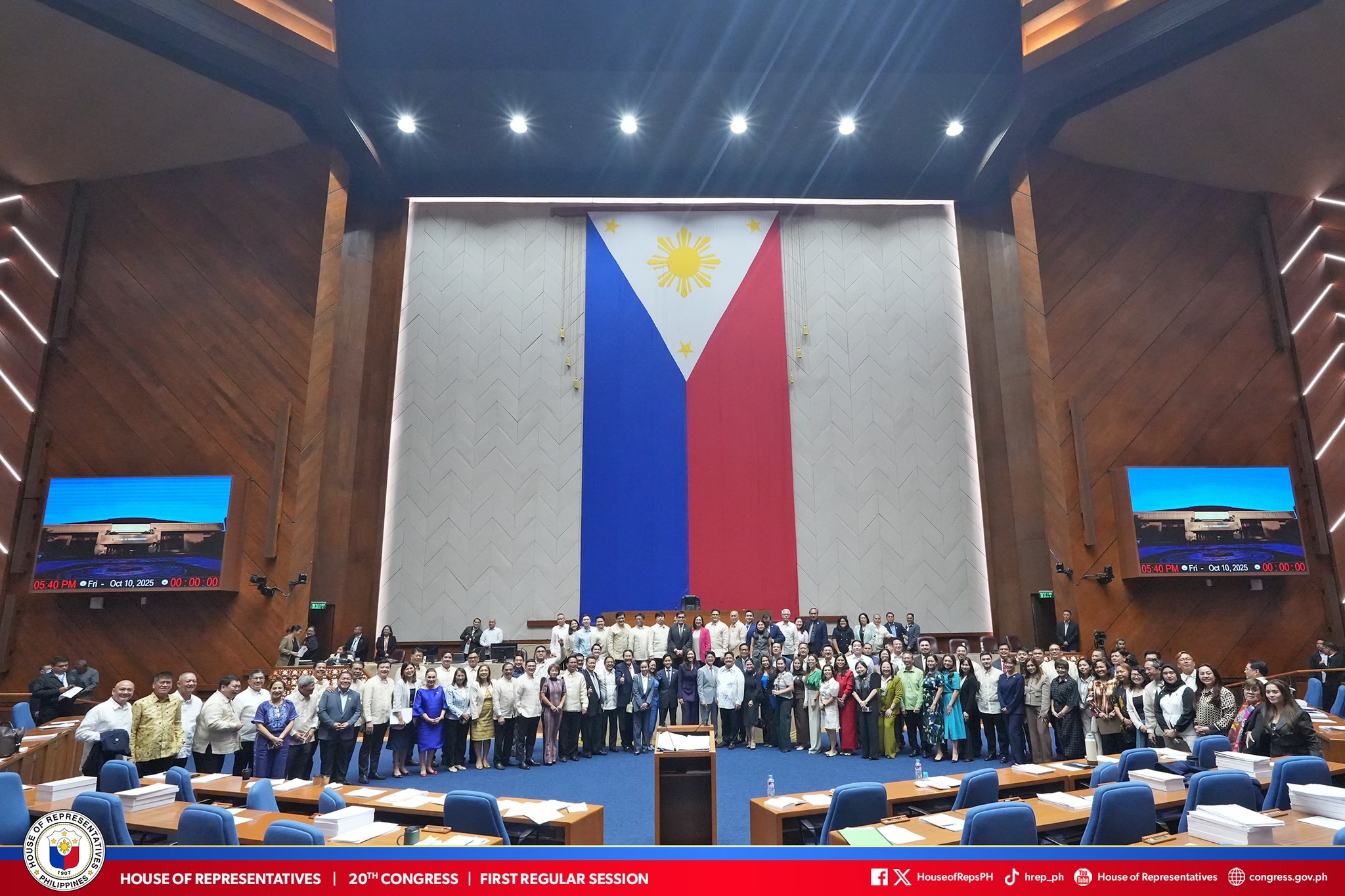

The House of Representatives has approved the proposed ₱6.793-trillion national budget for 2026 on second reading, with lawmakers realigning significant portions of infrastructure and unprogrammed funds to social and education programs.

Lawmakers passed the spending plan through a voice vote on Friday, following adjustments that redirected ₱255 billion from the Department of Public Works and Highways (DPWH) to other priority sectors. Of this amount, ₱56 billion was allocated to strengthen the education sector—including the Philippine Science High School System, Commission on Higher Education (CHED), Technical Education and Skills Development Authority (TESDA), and state universities and colleges.
The House also slashed the Office of the Vice President’s (OVP) 2026 proposed new appropriations of ₱889 million, restoring it to its 2025 level of ₱733 million. The decision came after Vice President Sara Duterte declined to personally defend her office’s proposed budget before the plenary, sending an undersecretary in her stead.
Nueva Ecija Rep. Mikaela Suansing, chairperson of the House appropriations panel, said the OVP’s revised allocation remains adequate.

“We want to protect the interests of the personnel within the office of the Vice President and so we will ensure that the personal services [budget] will reflect that,” Suansing said. “We will also ensure that the final budget of the Office of the Vice President will be sufficient for that.”
The House also struck out ₱35 billion in funding for the Strengthening Assistance for Government Infrastructure Program (SAGIP) under the unprogrammed fund. Suansing explained that infrastructure projects, except for those supported by foreign-assisted initiatives, would no longer be included under unprogrammed appropriations.
She said the revised ₱45-billion unprogrammed allocation will focus on “strengthening assistance for social programs,” including subsidies for farmers and rice, as well as support for the Department of Social Welfare and Development’s conditional cash transfer (4Ps) program, which is facing a funding shortfall for 2026.
