



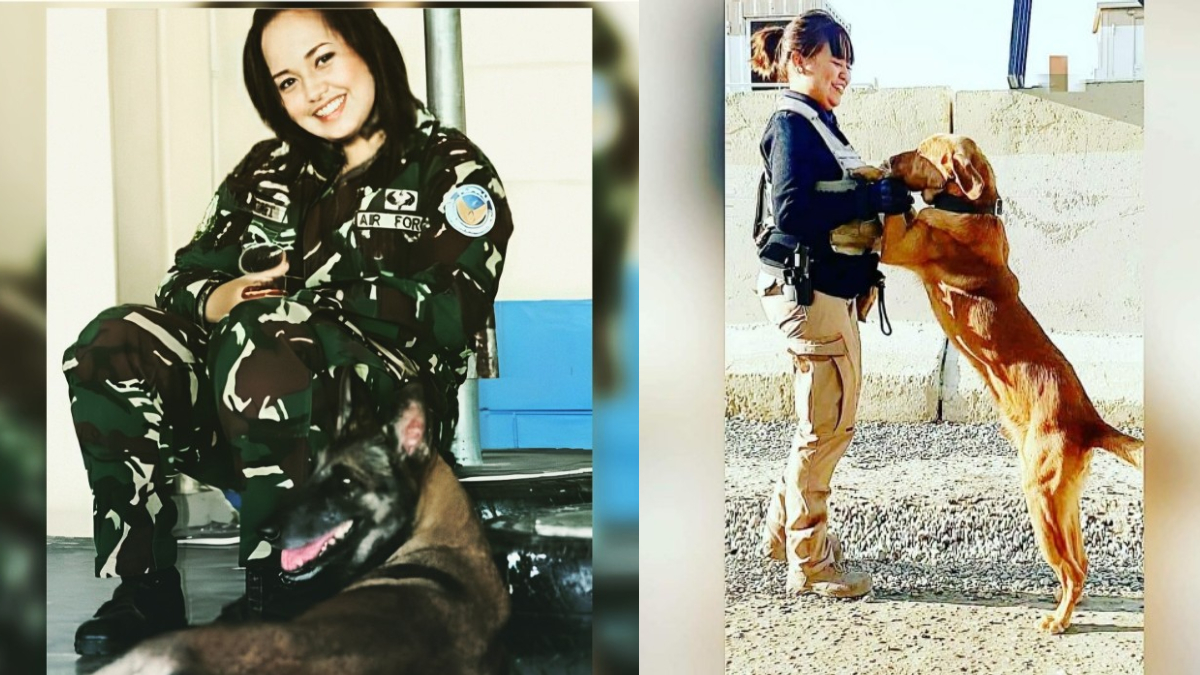

There are few careers in the world that demand both courage and resilience on a daily basis, but those who work in security operations know that every second can mean the difference between life and death. Roma Dawn Gomez Ceballos, a Senior Explosive Detection Dog (EDD) Handler currently deployed in Kabul, Afghanistan, has built her career in exactly that kind of environment. Her journey is a rare combination of military discipline, frontline survival, and a deep commitment to protecting lives, all while carrying the pride of being Filipino to some of the most dangerous corners of the world.

Roma’s professional path is not just about duty—it is about sacrifice, vigilance, and the will to rise above circumstances. From her foundation in the Philippine Air Force to her survival of a Taliban attack, she has carved a place not only for herself but for many who will follow her footsteps, especially Filipinos aspiring to enter the global security field. Her story is a reminder that extraordinary resilience can grow from ordinary beginnings, and that even in a field dominated by men, women can prove their worth through consistency, discipline, and unwavering responsibility.
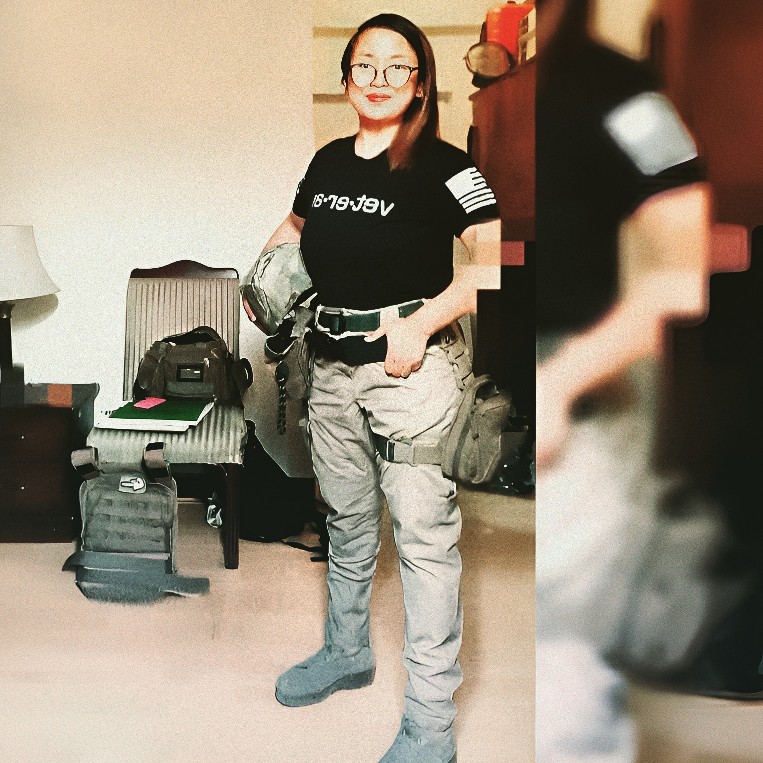
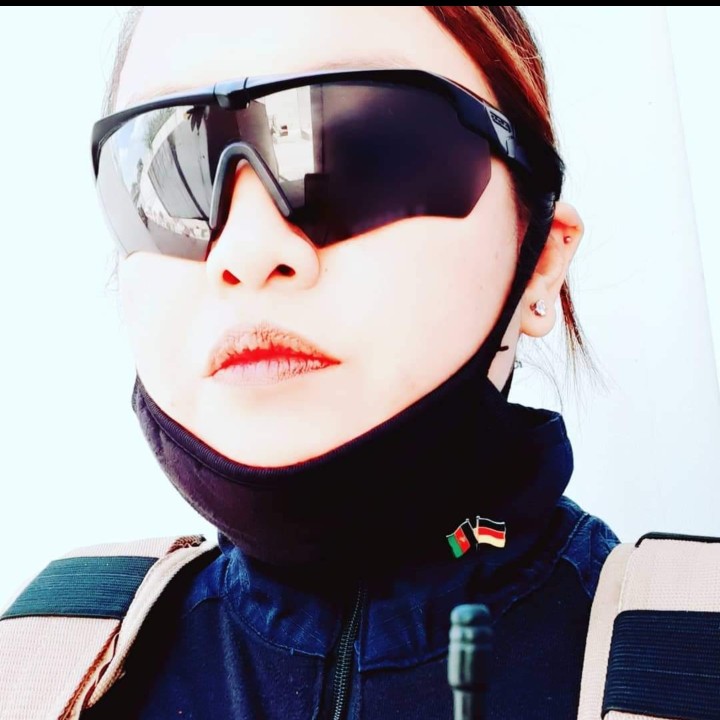
Building resilience from a military foundation
Roma’s journey into security operations began in the Philippines, where she served as an Airwoman in the 710th Special Operations Wing of the Philippine Air Force. This elite unit is known for demanding standards and rigorous training that instill resilience, vigilance, and adaptability under pressure. Roma explained, “My foundation was built during my early career with the Philippine Air Force, where I served as an Airwoman in the 710th Special Operations Wing. This elite unit is renowned for its rigorous training and uncompromising standards, instilling in me a mindset of resilience, vigilance, and honor.”
That foundation became the anchor of her career. The values she absorbed—integrity, service, teamwork, excellence, and professionalism—continue to define her work, whether she is securing convoys of diplomatic trucks or intercepting explosives. For Roma, entering the world of explosive detection and high-risk missions was both a calling and a decision rooted in personal responsibility. “As a mother of three, I was once faced with the choice of remaining in a stable but limited role, or pursuing the path I had been truly called to since 2009—a life of service in security operations. I chose the latter, honoring the oath I took to protect others, even if it meant sacrificing the comforts of a ‘normal’ life,” she shared.
That choice came with consequences—dangerous deployments, endless pressure, and even life-threatening encounters. Yet Roma embraced them fully, guided by the oath she took and the mission to protect lives.
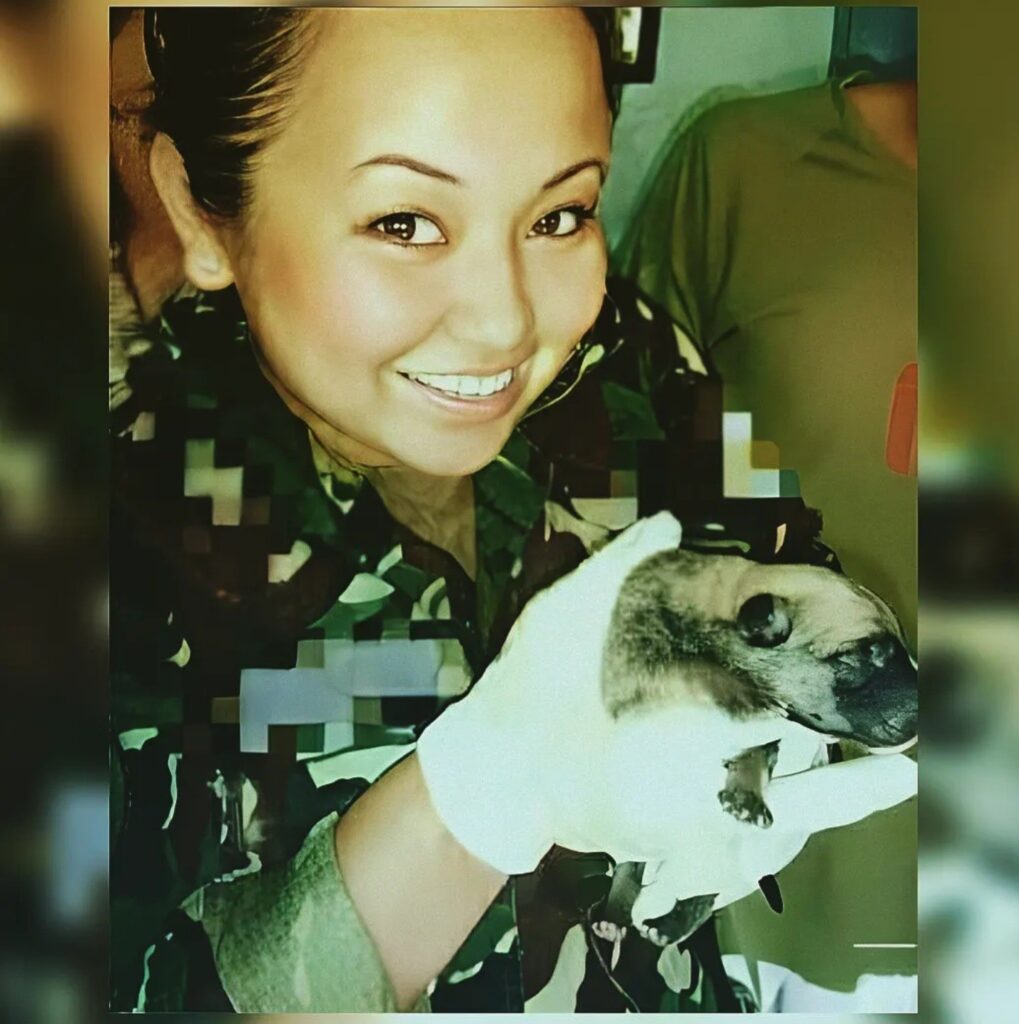
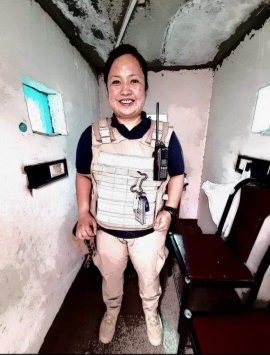
Her expertise grew across multiple fields of security: explosive detection and counter-IED operations, perimeter and entry control security, convoy protection, incident response, and crisis management. She also dedicated time to training and mentorship, particularly in the handling of working dogs, passing on lessons that were not just technical but deeply rooted in discipline and purpose.
Her reputation as a vigilant handler often earned her the trust of diplomatic missions. Even during rest days, embassies in Kabul’s Green Zone would request her presence to clear heavy cargo bound for the U.S. Embassy. That trust was not born from titles but from her unwavering consistency in the field. Roma described this work with clarity: “Going the extra mile is not written in any contract or contractor’s handbook; it is, however, the standard I hold myself to.”
Being Filipino shaped the way she approached her mission. “We are known for our adaptability, resilience, and quiet strength. I carry these traits with pride, not only as a professional but as a representation of what Filipinos can bring to the most challenging and high-risk security environments in the world,” she said. For her, each mission was not just a personal achievement but also an opportunity to highlight the capability and dedication of Filipinos on the global stage.
Surviving danger and leading with courage
In Kabul, Roma was the only female security officer in her team, a fact that meant she had to constantly prove her worth in an environment where authority was often equated with masculinity. “Leadership in a frontline security role is about ownership. Being the only female handler meant I had to demonstrate, every single day, that discipline, vigilance, and accountability were non-negotiable,” she explained. She understood that in a field where mistakes could cost lives, credibility had to be earned through consistent performance.

One incident at an Entry Control Point revealed how she built that credibility. A manager, refusing inspection, shouted at her to “just do your job.” Instead of reacting emotionally, Roma relied on training and protocol. She initiated an immediate checkpoint lockdown, halting movement until the situation was brought under control. Her decision was later reinforced by command, which made it clear to everyone that in that role, Roma was the officer in charge—and her authority was final. That moment underscored her philosophy: authority is not about gender or rank, but about responsibility and the courage to safeguard others.
Her courage was also tested in life-threatening ways. In 2019, she survived a deadly Taliban attack. Roma recalled the moment vividly: “I was never outwardly religious, yet in the seconds before the blast I found myself praying with all sincerity: ‘Papa Jesus, Mama Mary, Allah—if You are real, allow me to see the dawn.’” A massive truck packed with explosives detonated just as she returned to camp. The shockwave threw her against the wall, and many assumed she had not survived. The experience left invisible scars, ones she continues to carry. A therapist in Kabul told her after a panic attack: “Amor, remember this—you will never live a normal life again. It will stay with you like arthritis inside you.”
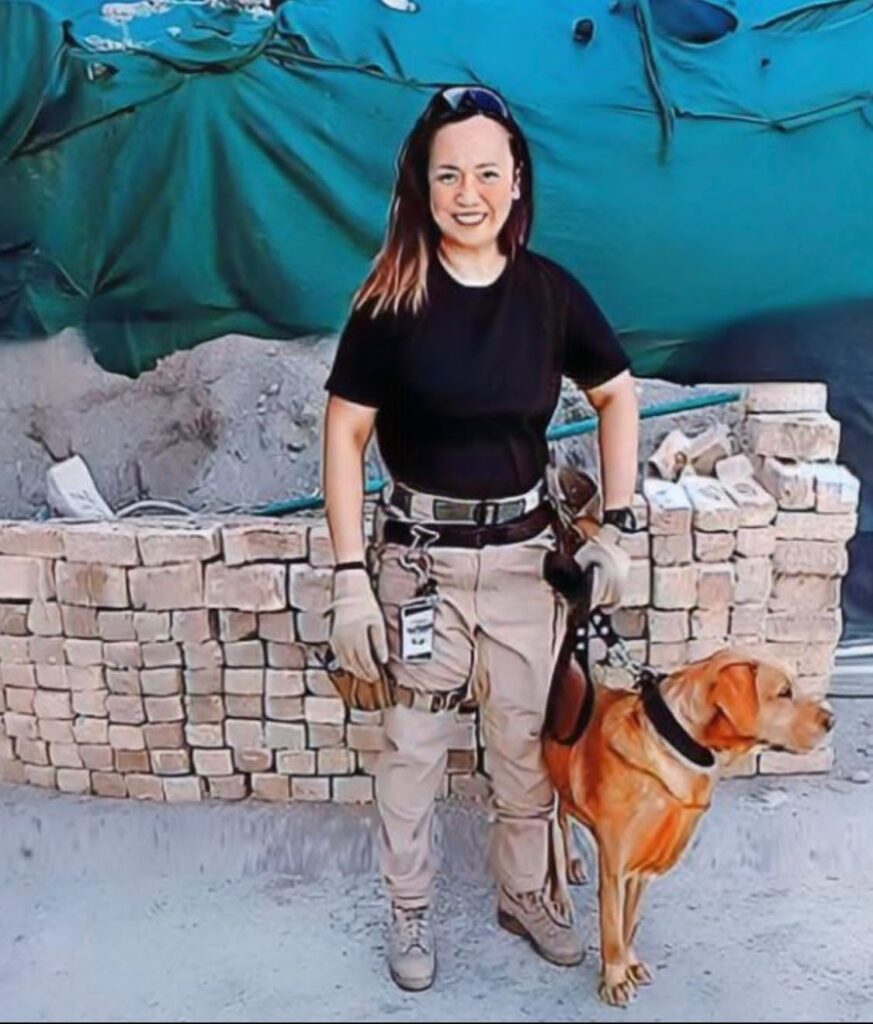
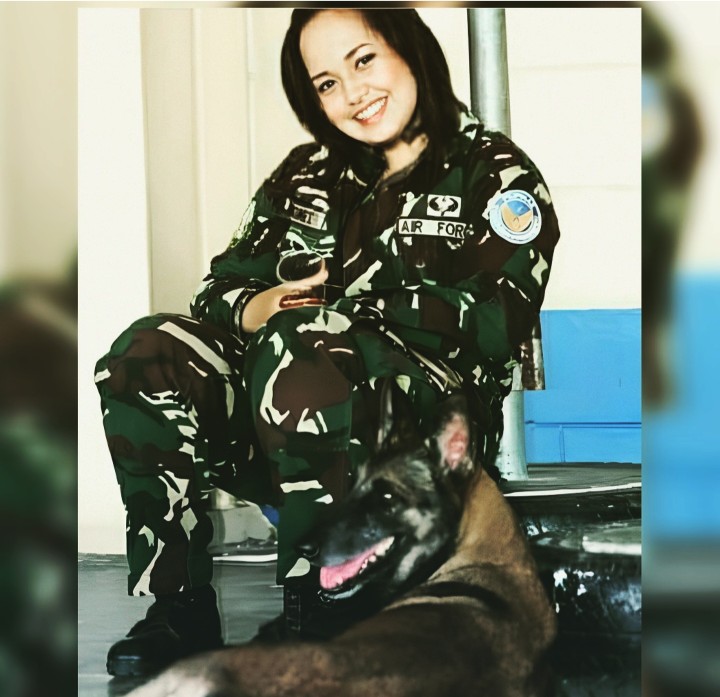
That event changed her perspective on both life and work. “Professionally, it instilled in me a heightened vigilance. I no longer approach duties as ‘routine.’ Whether conducting a simple sweep or inspecting high-risk cargo, I approach every task as if lives depend on it—because they do,” she said. Personally, she embraced a guiding truth: “Stay good, do good, uplift others to be good. At the end of the day, what matters is that I rise, I show up, and I keep moving forward—always one foot ahead, no matter how heavy the burden.”
In 2020, Roma’s vigilance again proved lifesaving when she intercepted a van during training drills. Concealed inside were suicide vests, grenades, rifles, rockets, and C4 explosives. The discovery prevented a planned large-scale attack. That moment, like the Taliban blast, reminded her that in security operations, preparation and instinct can save countless lives.
Roma also highlighted the role of her canine partners in survival. Her guiding principle—“Every working dog is not our whole life, but they make our lives whole. The nose knows it all—so that others may live”—underscores the unbreakable bond between handler and K9. “My K9 partners have been more than colleagues—they have been extensions of myself on the field,” she said. They taught her lessons in loyalty, instinct, and resilience. “Perhaps the greatest lesson these dogs impart is humility. For all the technology and training available to us, it is often the instinct of a loyal K9 that makes the difference between tragedy and survival,” Roma emphasized.
Evolving security through integration and legacy
Roma’s work in physical security opened her eyes to another crucial layer: cybersecurity. She believes that modern security must be holistic, integrating both physical and digital defenses. “The modern security environment can no longer be defined solely by physical perimeters. Cyber threats have the capacity to undermine physical defenses, just as breaches in physical security can expose critical digital systems to compromise. These domains are inseparably linked, and today’s security professionals must be proficient in both to remain truly effective,” she explained.
Her advocacy is for intentional bridging of these two fields—through training, collaboration, and cultural shifts that view cyber and physical measures as interdependent. “Only by treating them as complementary—not separate—can we build adaptive systems capable of withstanding the complex, hybrid threats of today’s world,” she said. For her, this commitment is not just professional but personal—a passion for advancing resilient security for future generations.
As she reflects on her service—from the Philippine Air Force to international missions—Roma’s vision for her legacy is rooted in representation. “Looking back, what I hope to leave is more than a record of missions or operations—it is a legacy of courage, integrity, and representation,” she said. She hopes her story will inspire future Filipino security professionals to believe in their capabilities. “Our strength lies in adaptability, resourcefulness, and an innate resilience that allows us to stand shoulder to shoulder with the best in the field,” she explained.
Her message to aspiring professionals is clear: being Filipino is not a limitation but an advantage. If her journey inspires even one young Filipino to step forward with confidence, she will consider her mission fulfilled. “I want them to carry the message that being Filipino is not a limitation, but an advantage grounded in resilience and heart,” Roma said.
