



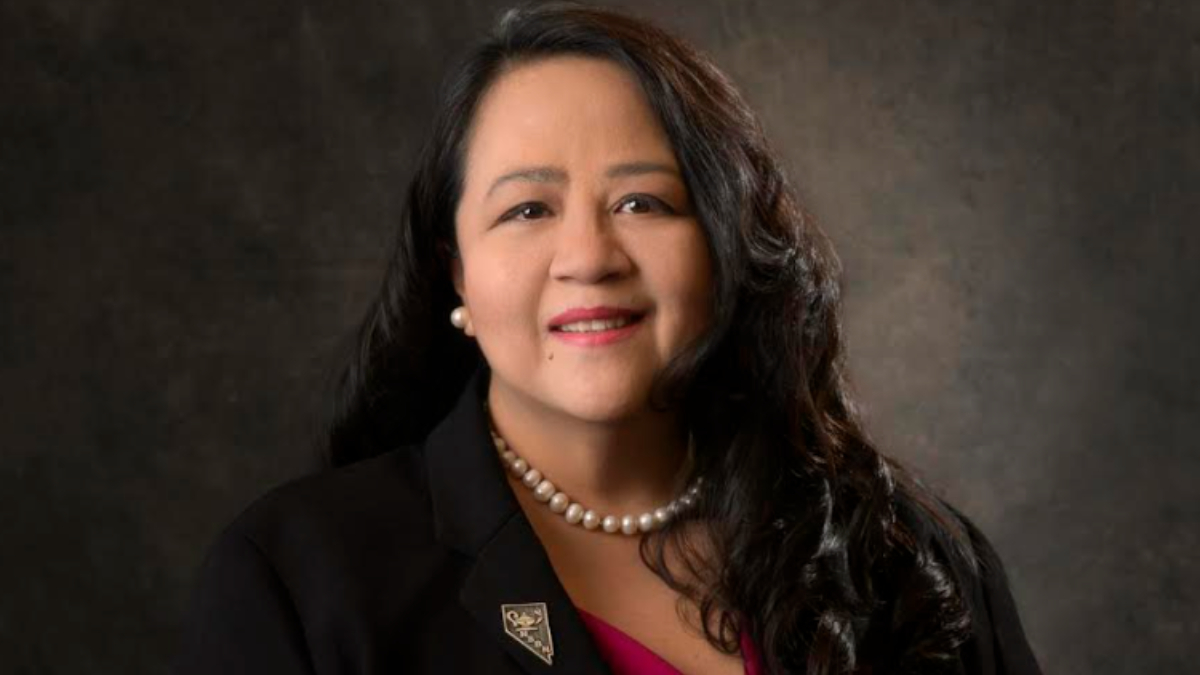

Elizabeth de Leon-Gamboa, MSN, RN, CPHQ, CCM, CMCN, has dedicated more than three decades of her life to the pursuit of nursing excellence across the Philippines and the United States. Today, she stands as a Board Member and Secretary of the Nevada State Board of Nursing (2024–2025), where she combines her clinical expertise, leadership acumen, and Filipino values to champion safe, equitable, and people-centered nursing regulation.

Her journey is defined by breadth and depth. With over 34 years of nursing experience, she has served in roles ranging from medical-surgical, oncology, and rehabilitation to primary care, compliance, education, and clinical quality oversight. Currently, as Manager of Quality in Delegation Oversight at Optum Care, Elizabeth ensures that operations across the Mountain West, Oregon, and Washington meet the highest standards. This professional range, coupled with her certifications in healthcare quality, case management, and managed care—and her ongoing pursuit of a Doctor of Nursing Practice (DNP)—reflects her constant drive to learn, adapt, and lead.
Yet Elizabeth’s career is not defined solely by positions held. She has always married her professional roles with civic and advocacy commitments. She has served as Past President and Advisor of the Philippine Nurses Association of Nevada, Advisory Board Member of the Nevada Nurses Foundation, and Founding President of Healthy Fil-Am Nayon, an initiative dedicated to promoting holistic wellness among Filipino Americans. She established the de Leon-Gamboa Seeds of Hope Nursing Scholarship to support future nurses, and she co-authored a culturally sensitive self-care program designed for immigrant Filipino nurses—proof of her belief that regulation and practice must meet communities where they are.
When asked about her priorities as a regulator, Elizabeth is clear: patient safety comes first. “My key priorities in advancing nursing regulation and quality improvement in Nevada center on ensuring patient safety by strengthening standards for nursing practice and licensure. I view it as my sworn duty to protect the public and deliver high-quality care,” she explains. She stresses the need for continuing education, professional competency, and interprofessional collaboration to improve patient outcomes.
She also sees technology as a vital part of the future. “Adopting innovative technology within regulatory frameworks, including the integration of evidence-based digital tools such as telehealth or simulation as part of training—not only expands access but also enhances efficiency,” she notes. While embracing artificial intelligence as inevitable, she cautions that robust safeguards are essential to protect licensees and the public. Elizabeth is equally committed to tackling workforce challenges, from staffing shortages to burnout, and supports policies that prioritize nurse well-being. Importantly, she advocates alternatives to disciplinary action for nurses in recovery—approaches that emphasize support, rehabilitation, and public protection.

What makes Elizabeth’s leadership especially resonant is the way her Filipino heritage shapes her approach. She describes her leadership framework as grounded in “authority, autonomy, accountability, and authenticity.” Authenticity, she insists, is non-negotiable: “My philosophy is ‘What you see, is what you get.’” For her, leadership is about being true to one’s convictions while remaining open to collaboration and community engagement.
The Filipino values of bayanihan (collective action and unity), pakikipagkapwa (shared humanity and fellowship), and katatagan (resilience) serve as her compass. These principles guide her to lead with humility, inclusivity, and accountability. “Gone are the days of being inhibited by hiya (shame), bahala na (fatalism), or colonial mentality,” she reflects. Instead, she draws strength from competence, stamina, and grit. This grounding enables her to advocate for equitable, just, and responsive policies that reflect the diversity of Nevada’s communities while amplifying Filipino American voices within the profession.
Her career illustrates that regulation is not just about rules; it is about people. Elizabeth’s efforts as mentor, preceptor, and community advocate reveal her belief that nurses are more than license holders—they are agents of healing, advocacy, and change. In every role, she emphasizes the importance of accountability paired with compassion, ensuring that policies protect the public while also empowering the workforce.
For the broader nursing community, Elizabeth’s story offers several lessons. First, leadership rooted in cultural values and authenticity can thrive in any setting, including high-level regulatory roles. Second, the challenges facing nurses—staffing shortages, technological shifts, and public trust—require leaders who can blend evidence-based decision-making with cultural humility. Finally, her message underscores that nursing regulation must evolve with the times, balancing innovation with responsibilty and public protection.
