



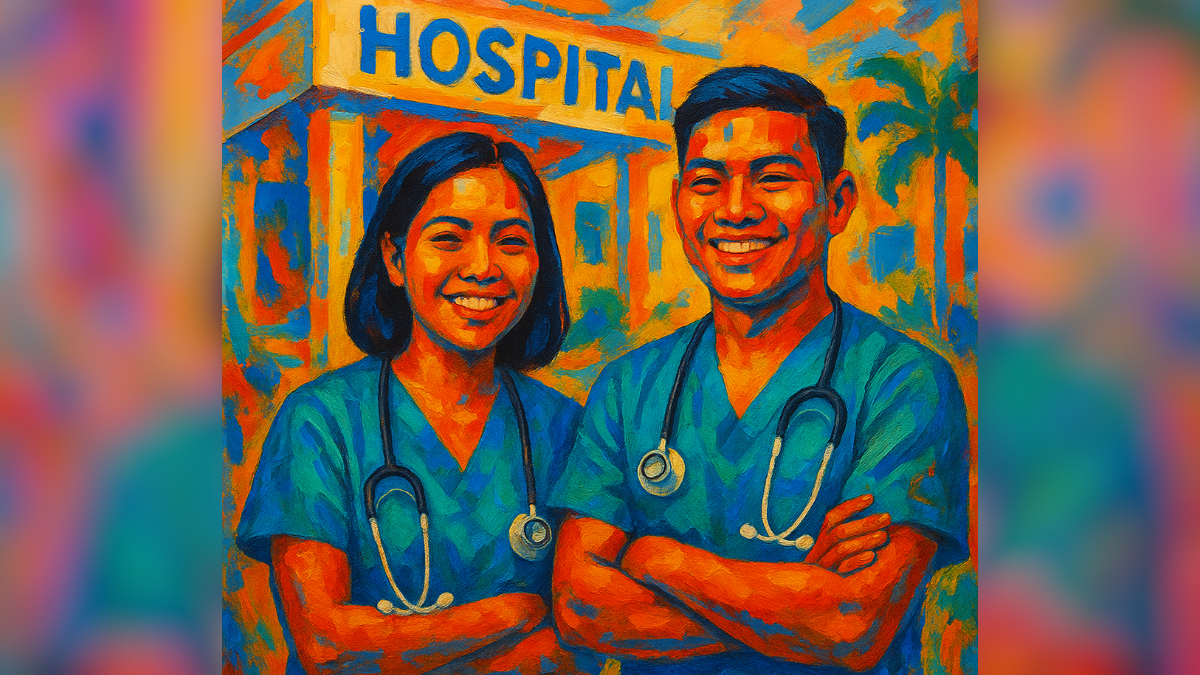

The Philippines is often referred to as the “nurse capital of the world” due to the large number of Filipino nurses working abroad. For decades, nursing has been one of the most common pathways for Filipinos to achieve upward mobility and financial security. Families have encouraged their children to pursue nursing with the expectation that jobs abroad will provide higher incomes, better benefits, and the chance to send money home. Indeed, nurses comprise approximately 25 percent of all foreign-born nurses in OECD countries, with estimates suggesting that as many as 85 percent of licensed Filipino nurses work abroad (Lorenzo et al., 2007). This pattern has contributed billions in remittances to the Philippine economy, but it has also created shortages at home, where hospitals struggle with staffing.

The financial differences between working in the Philippines and abroad are significant. In the Philippines, a nurse in an entry-level government position earns approximately US $180 to $200 per month, whereas in countries such as the United States or the United Kingdom, nurses can earn several thousand dollars per month. In the United States, the average monthly income for a nurse is approximately $4,000 (Alreshidi et al., 2021). This stark gap makes migration highly attractive, particularly for young professionals who want to support their families. However, the reality of working abroad is not always as promising as it seems. Migrant nurses often face culture shock, language barriers, unfamiliar healthcare systems, and discrimination. They also endure separation from family and the emotional toll of living far from home. For many, these challenges are manageable given financial rewards, but for others, they are reasons to reconsider. Some nurses decide to stay in the Philippines despite the lure of higher salaries, and their choice offers valuable lessons about how to build a more sustainable nursing workforce at home.
Several push factors explain why nurses often choose to migrate. Research shows that the most common reasons include low salary (18.3%), high patient load (15%), short or unstable contracts (14.5%), discrimination (13.5%), and poor accommodations (9%) (Alreshidi et al,2021). These challenges make local employment unattractive. During the COVID-19 pandemic, burnout emerged as another significant issue. Nurses reported working long shifts without adequate rest, fearing infection, and struggling with the emotional burden of caring for critically ill patients. Many resigned, while others left the profession entirely (Alibudbud, 2023). Public hospitals, which employ a large number of nurses, are often understaffed and under-resourced, forcing nurses to care for an excessive number of patients, which is unsafe. These stressful conditions make overseas employment more appealing, even if it means leaving family behind.
However, despite the difficulties, many nurses choose to remain in the Philippines. Family ties are among the strongest reasons. Filipino culture places a high value on close family relationships, and the idea of being separated from parents, spouses, or children for years can outweigh the promise of financial gain abroad. A nurse interviewed in one study explained that after seeing the hardships her relatives experienced overseas, she decided to stay home, saying, “I choose to stay here to be with my family” (Yale Daily News, 2022). Stories like this reflect the collective reality of many nurses who weigh emotional well-being alongside financial considerations. For parents, especially mothers, being present for children often takes priority over earning higher salaries abroad.
Community service and patriotism also influence nurses’ decisions. Many view nursing as more than a job; it is a calling to care for others. Serving fellow Filipinos provides a sense of meaning and pride that cannot always be matched abroad. During the COVID-19 pandemic, many nurses who could have resigned or sought opportunities overseas chose instead to remain in local hospitals, even at significant personal risk. They did so not only out of necessity but also from a sense of duty to their communities (Norh, 2024). These actions demonstrate how values such as service, sacrifice, and compassion can influence professional decisions.
Supportive work environments also play a role in retaining nurses. While salaries in private hospitals are not always high, many nurses prefer them over public hospitals because they offer more comfort, familiarity, and manageable workloads. In regions such as Davao and Bukidnon, nurses reported that private hospitals provided a sense of safety and a sense of belonging. Some institutions have also introduced programs specifically designed to improve retention. One example is the STRIVE program, which stands for Support, Training, Retention, Incentives, Values, and Encouragement. Through this initiative, hospitals have improved salaries, provided counseling services, created professional development opportunities, and fostered workplace cultures that recognize and appreciate nurses’ efforts (Norh, 2024). Nurses who participated in STRIVE reported higher job satisfaction and a greater willingness to remain in their current positions.
To illustrate how these factors influence real decisions, we can imagine several scenarios. Maria, a 30-year-old nurse with a young child, was offered a position in Canada. Though the pay was tempting, she declined, recalling her mother’s struggles as a migrant nurse. Maria chose to stay, working in a private hospital that provided stable shifts and modest but sufficient pay. Her decision was guided by the desire to be present for her child and to avoid the emotional toll of migration. Jon, a recent graduate, received offers from both a public and a private hospital. Though the public hospital paid slightly more, he chose the private institution because it offered counseling, career training, and a more manageable workload. For Jon, emotional well-being and professional growth were more valuable than a higher salary. In Cebu, a private hospital launched a retention program modeled after STRIVE. By reducing nurse-to-patient ratios, offering career development opportunities, and modestly increasing salaries, the hospital saw a decrease in turnover and an increase in staff satisfaction within a year. These examples illustrate how individual choices and institutional policies intersect to influence whether nurses choose to remain at home.
To encourage more nurses to stay, systemic changes are needed. Fair compensation is a critical starting point. Salaries must reflect the value of nurses’ work and allow them to live with dignity. Additional benefits, such as health insurance, housing support, paid sick leave, and bonuses, can further alleviate financial stress. Programs that help pay off student loans would be beneficial for new graduates burdened with educational debt (1Nurse, 2024). These measures may not close the wage gap with countries like the United States, but they can make local employment competitive enough to persuade some nurses to remain.
Workplace improvements are equally important. Hospitals should strive to maintain safe nurse-to-patient ratios to prevent burnout. Providing regular counseling and peer support can help nurses cope with stress. Opportunities for professional development, such as training in specialized areas or pathways to leadership roles, can encourage nurses to see long-term careers at home. Improving physical facilities, ensuring wards are clean, safe, and well-equipped, can also make a difference. Perhaps most importantly, fostering a culture of respect and recognition is key. When nurses feel valued, they are more likely to stay committed to their work.
Government policies play a central role in shaping these conditions. The Philippine government has historically relied on nurse migration as a source of remittances, but this approach is unsustainable if it leaves the local health system understaffed. Policymakers can create retention programs modeled after successful initiatives in private hospitals and extend them to public institutions. Investments in healthcare infrastructure can expand opportunities for nurses, while policies offering financial incentives for service in rural or underserved areas can address geographic imbalances. National campaigns that highlight the importance of nurses and celebrate their contributions can also help build pride in staying. By reframing local nursing as not a fallback but a respected and fulfilling career, the government can shift perceptions and inspire more nurses to remain.

International comparisons provide valuable lessons. In Thailand, the government implemented retention bonuses and housing allowances for nurses serving in rural provinces, which helped reduce migration rates. In India, career development programs offering nurses pathways into advanced practice roles encouraged many to stay within the country’s healthcare system. The Philippines can adapt similar strategies to its context. By combining financial incentives, professional growth opportunities, and recognition, it can create an environment were staying at home is not only viable but desirable.
Cultural values also reinforce the decision to remain. Filipino society emphasizes bayanihan, or communal unity and cooperation. For nurses, staying to serve their own communities reflects this spirit. Caring for fellow Filipinos can provide a sense of purpose that transcends material rewards. Religious values also play a significant role, as many Filipino nurses view service as an integral part of their faith. By aligning retention programs with these cultural values, institutions can strengthen nurses’ commitment to remain.
In the long run, building a healthcare system that encourages nurses to stay will benefit not only the workforce but also the Filipino people. Adequate staffing ensures better patient care, reduces burnout, and enhances the resilience of the healthcare system. It also allows the Philippines to rely less on foreign recruitment and more on its own professionals. For nurses, staying home can mean building stable careers, maintaining close family ties, and contributing directly to the development of their country.
In conclusion, while migration has long been the dominant path for Filipino nurses, staying in the Philippines is a viable and increasingly attractive choice for many. Family ties, community service, supportive work environments, and targeted retention programs all play a role in shaping this decision. To encourage more nurses to stay, the country must address push factors, such as low pay and burnout, while strengthening incentives, including fair compensation, workplace support, and professional development. Government policies, hospital initiatives, and cultural values together can create a system where Filipino nurses choose to serve their own people with pride. By valuing nurses not only as workers but as vital pillars of the healthcare system, the Philippines can ensure that more of its brightest professionals remain at home, strengthening the nation’s health and future.
References
Alibudbud R. (2023). Addressing the Burnout and Shortage of Nurses in the Philippines. SAGE open nursing, 9, 23779608231195737. https://doi.org/10.1177/23779608231195737
Alreshidi, N. M., Alrashidi, L. M., Alanazi, A. N., & Alshammri, E. H. (2021). Turnover among foreign nurses in Saudi Arabia. Journal of public health research, 10(1), 1971. https://doi.org/10.4081/jphr.2021.1971
Lorenzo, F. M. E., Galvez-Tan, J., Icamina, K., & Javier, L. (2007). Nurse migration from a source country perspective: Philippine country case study. Health Services Research, 42(3p2), 1406–1418. https://doi.org/10.1111/j.1475-6773.2007.00716.x
Norh, S. B. D. (2024). Enhancing nurse retention in private hospitals in the new normal: A comprehensive approach for post-pandemic healthcare stability. Davao Research Journal, 15(4), 149–160. https://doi.org/10.59120/drj.v15i4.285
Yale Daily News. (2022, September 12). Longer hours, smaller numbers: Filipino nurses and mass migration. Yale Daily News. https://yaledailynews.com1Nurse. (2024, November 25). Should Filipino nurses work in the Philippines this year before going abroad? 1Nurse.com. https://www.1nurse.com
