



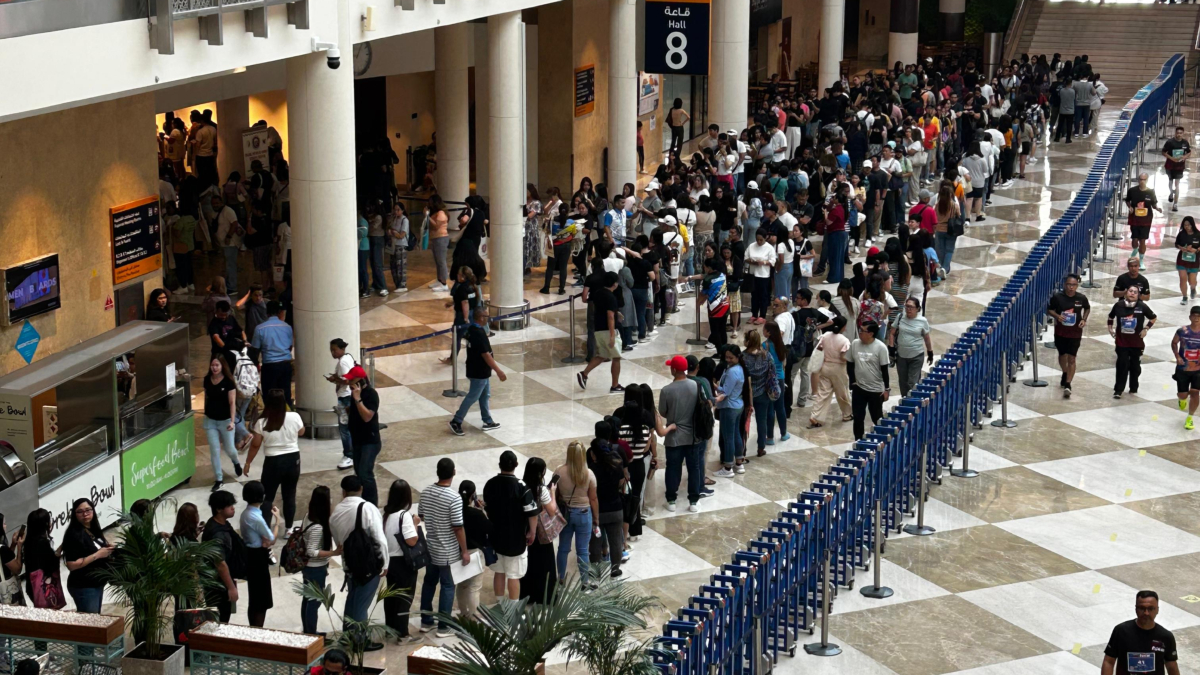

Following a viral Facebook post criticizing the recent OFW Serbisyo Caravan in Dubai, the Department of Migrant Workers (DMW) acknowledged the concerns and assured that reforms are underway—including digital solutions to ease service access for Filipinos abroad.

The post, shared by popular UAE-based blogger Boy Dubai, sparked online conversations after he described the August 3 event at the Dubai World Trade Centre as disorganized and frustrating for many OFWs who lined up for hours, only to leave without being served.
“No clear system in place,” the post read. “Some were told that the lines had to be cut off… We’re not asking for perfection. We’re asking for progress.”
The blogger questioned the continued use of costly physical caravans when government services could be offered digitally instead—echoing the sentiment of many modern-day Filipinos who are used to online systems, especially in a tech-forward city like Dubai.
In response, DMW Secretary Hans Leo Cacdac commented directly on the same post, addressing the concerns.
“Greetings. I hear you loud and clear,” Cacdac wrote.

He admitted that one of the biggest pain points has been the contract verification process, which many OFWs are required to complete before leaving the Philippines or securing certain services abroad.
To address this, he said the department is taking a two-pronged approach: “One is to review the policy and cut down on those required to get their contracts verified, mindful of some illegal recruitment and human trafficking activities that need to be curtailed. Two is digitalization.”
Cacdac added that the DMW has already started pilot testing a fully online system for contract verification in collaboration with Dataflow, with VFS (a global outsourcing and tech services specialist) expected to follow.
“These are all for now. We vow to improve,” he assured.
Despite the backlash, the OFW Serbisyo Caravan in Dubai served over 4,000 Filipinos in a single day, with more than 10,000 transactions completed, making it the largest overseas caravan to date. Services included the issuance of national IDs, OWWA e-cards, civil registry documents, legal assistance, and financial education, delivered by various government agencies.
Still, for many OFWs who took unpaid leave or sacrificed their day off, the experience was marred by long lines and unmet expectations—highlighting the urgent need for a more efficient, tech-driven approach to public service delivery.
