



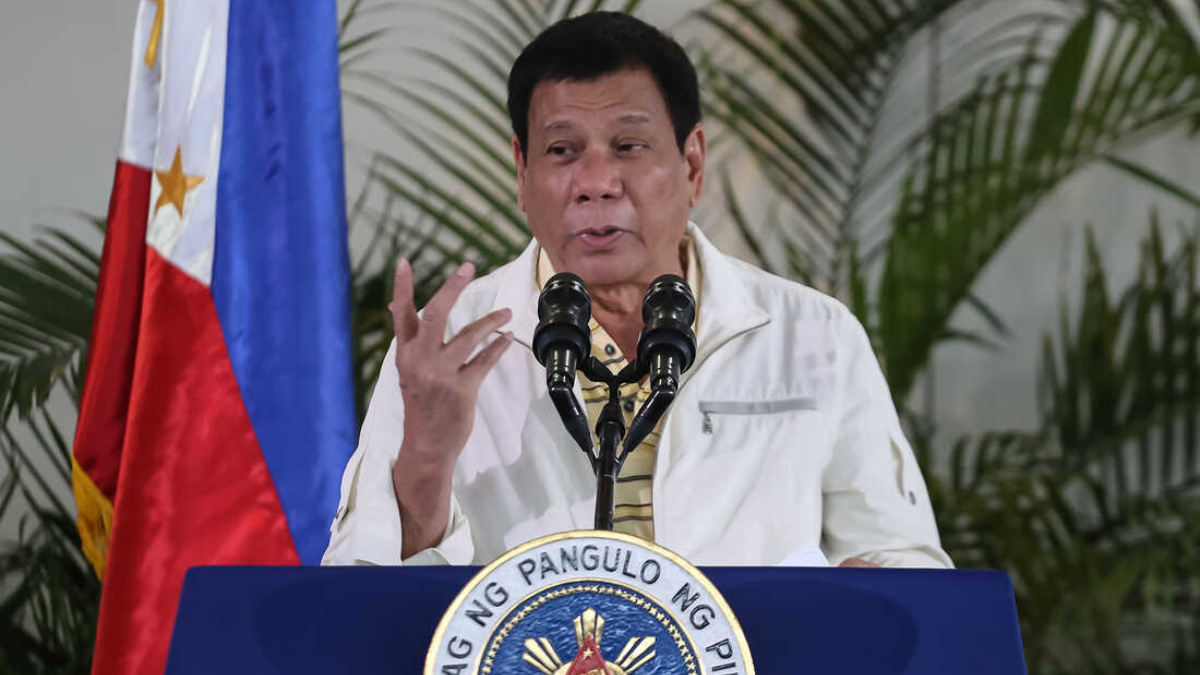

Former President Rodrigo Duterte’s legal team has informed the International Criminal Court (ICC) that it will not be presenting any witnesses or written testimonial evidence during the upcoming confirmation of charges hearing on September 23.

In a filing dated July 24, Duterte’s lead counsel Nicholas Kaufman said the decision was intentional and strategic. “The Defence will not call witnesses to testify at the confirmation hearing. This is a principled decision because credibility is given little weight at confirmation,” Kaufman stated.
The defense also clarified that it would not submit any written testimonies, explaining that doing so could potentially give the prosecution a chance to tailor its case. “The Defence does not wish to give advance notice of the many potential Defence witnesses,” the document noted, adding that revealing their line-up could tip off the prosecution.
No “alibi” or defense under Article 31 of the Rome Statute—which allows for exemptions from criminal liability under certain conditions like mental illness, duress, or self-defense—will be invoked either, according to the document. Instead, the team plans to rely solely on documentary evidence at this stage.

Legal observers say the move appears calculated. ICC Assistant to Counsel Kristina Conti told Inquirer.net that Duterte’s legal team may be holding out for additional, confidential information. “The defense has the prerogative to create its own strategy,” she said, noting that the prosecution carries the burden of proof during the confirmation phase.
While formal charges have not yet been filed, Duterte remains under investigation for alleged crimes against humanity related to his administration’s bloody war on drugs.
Human rights lawyer Neri Colmenares, representing victims’ families, viewed the defense’s silence as telling. “This only shows that there will be nobody who will testify under oath that President Duterte was not involved at all in the war on drugs,” he said. Colmenares argued that the refusal to invoke Article 31 defenses could be interpreted as a tacit acknowledgment of Duterte’s role in the violent crackdown.
The confirmation hearing will determine whether the case moves forward to trial. Until then, the Court must weigh the evidence submitted by the prosecution to assess if there are sufficient grounds to proceed.
