



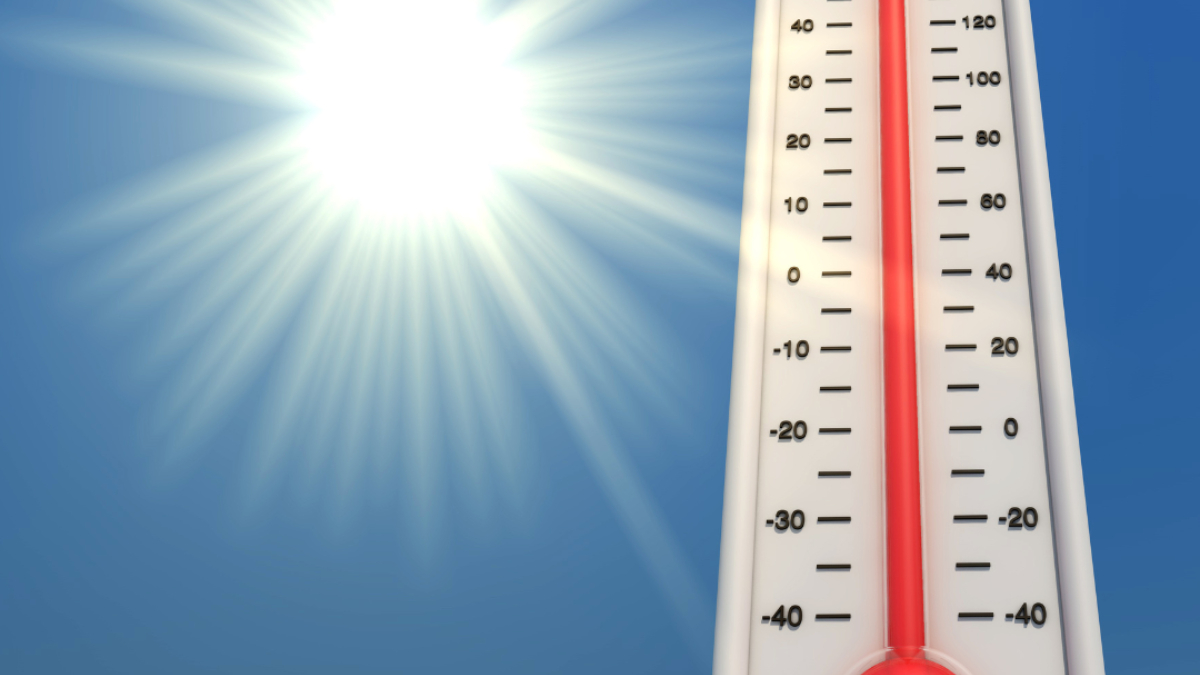

The UAE is currently in the grip of Waghrat Al Mirzam—a traditional period known as the “coal of the summer”—signaling the last and fiercest stretch of heat before the weather begins to shift.

According to a report by Gulf News, this phase lasts until August 10 and is closely associated with the rise of the star Al Mirzam, also called Sirius or Al Shi’ra Al Yamaniya, in the eastern sky. Ibrahim Al Jarwan, Chairman of the Emirates Astronomy Society, explained that this period is deeply rooted in Bedouin knowledge and seasonal calendars.
“This period is marked by extremely high temperatures,” Al Jarwan said, noting that it also brings increasing humidity and cloud formation, especially over mountain ranges like the Hajar.
Waghrat Al Mirzam is part of a traditional series of seasonal transitions in the Arabian Peninsula, each lasting around 18 days. It follows phases such as Waghrat Al Thurayya, Ayooq, and Al Assaya, and precedes Waghrat Al Nujaymat (Suhail), which typically hints at the coming of cooler days.

Historically, Bedouin communities used the appearance of Al Mirzam as a cue to end their seasonal migrations. One traditional saying goes: “If Al Mirzam rises, gather your camels and prepare to depart.”
Sirius, the star tied to this season, is among the brightest visible in the night sky and part of the Canis Major constellation. Although 8.6 light-years away, its surface burns at over 24,000°C—far hotter than our sun.
While cultural beliefs link the star’s rise to peak heat, astronomers clarify that there’s no scientific proof of a direct connection between the appearance of Sirius and actual temperature spikes.
