



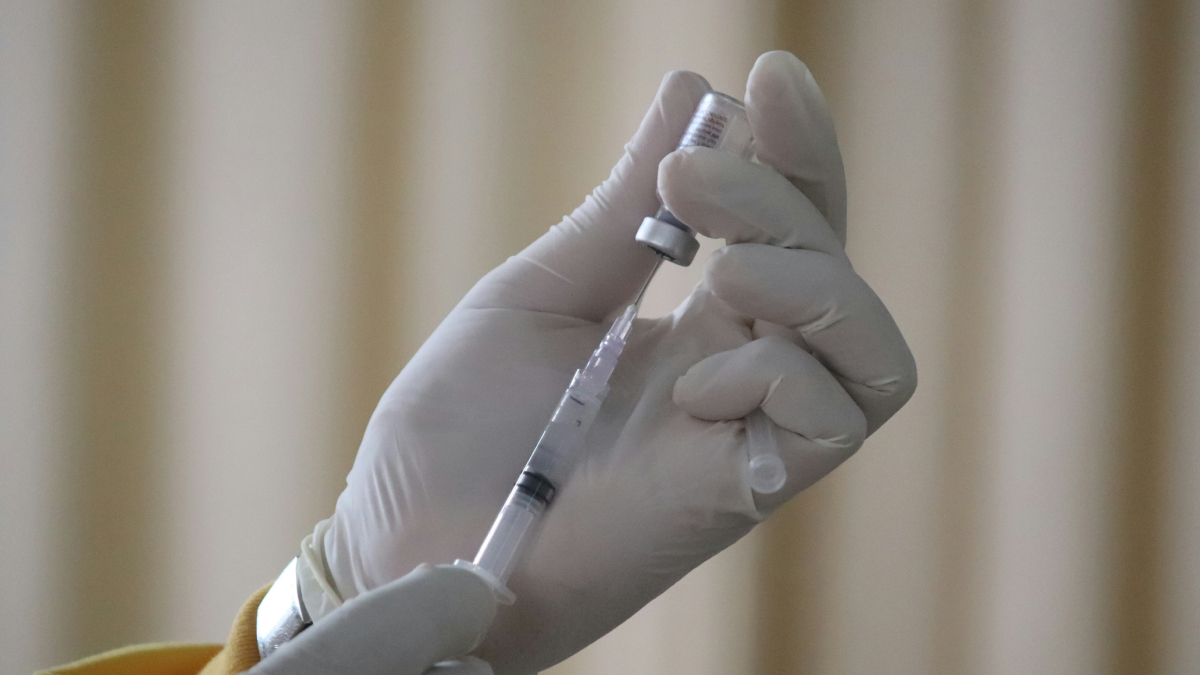

Emergency vaccination efforts in response to outbreaks like Ebola, measles, and cholera have slashed death rates by nearly 60% over the past 23 years, according to a new global study backed by the Gavi vaccine alliance.

Published in BMJ Global Health, the research reviewed 210 outbreaks of five major infectious diseases — cholera, Ebola, measles, meningitis, and yellow fever — in 49 low-income countries from 2000 to 2023. The findings show that rapid deployment of vaccines didn’t just reduce deaths and infections significantly, but also helped curb the spread of outbreaks.
“For the first time, we are able to comprehensively quantify the benefit, in human and economic terms, of deploying vaccines against outbreaks of some of the deadliest infectious diseases,” said Gavi Chief Sania Nishtar. She emphasized that the data highlights how vaccines are an essential, cost-effective tool in tackling global health threats.
Some results were striking: deaths from yellow fever were reduced by 99%, while Ebola-related deaths dropped by 76% when emergency vaccines were rolled out. Across all five diseases, infections and deaths fell by nearly 60%.

Beyond health outcomes, the study estimated that emergency immunization campaigns delivered nearly $32 billion in economic benefits by preventing premature deaths and long-term disability. Researchers noted that the figure likely underrepresents the true savings, as it excludes broader costs such as economic disruption and emergency response expenses.
The impact of not having vaccines was felt during the 2014 Ebola crisis in West Africa, which spread internationally and cost over $53 billion in the region alone — long before vaccines were widely available.
The study also arrives at a critical time, as the World Health Organization recently raised the alarm over rising cases of preventable diseases amid global misinformation and shrinking international aid. Meanwhile, Gavi is seeking new funding after the U.S. government announced it would withdraw its financial support.
