



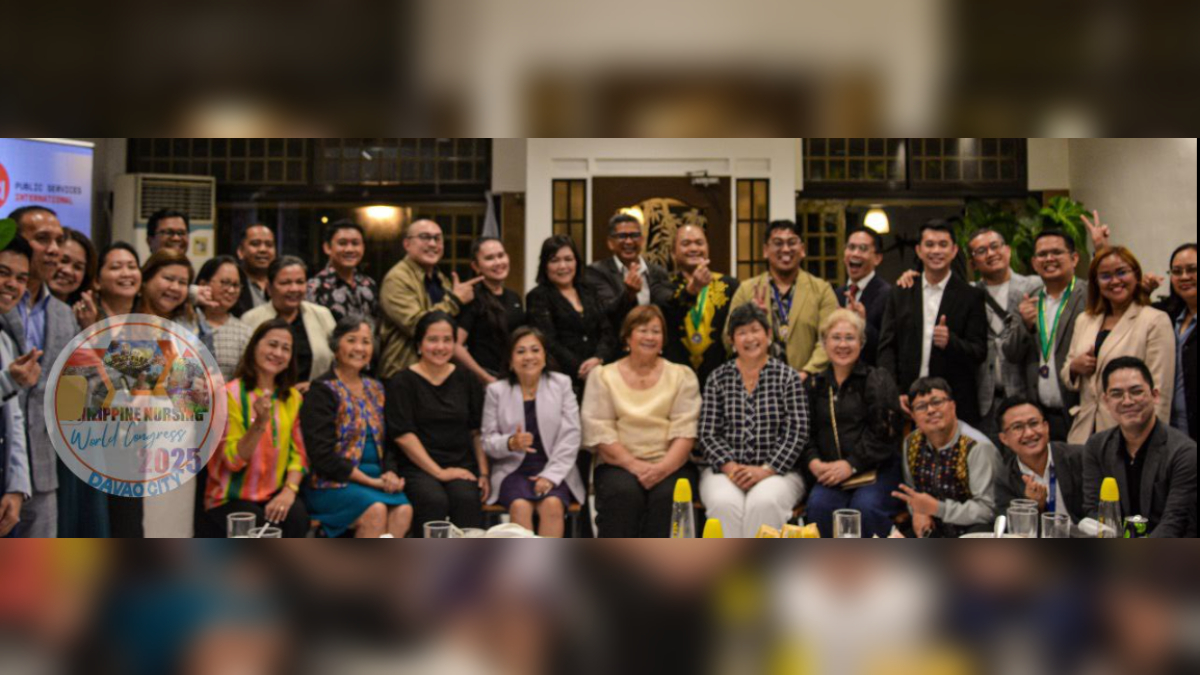

On the sidelines of the Philippine Nursing World Congress held on June 25–27, 2025, in Davao City, sixty nursing leaders and distinguished guests gathered for a special dinner that transcended the usual networking affair. Hosted by Public Services International (PSI), the event became a powerful reminder that the fight for healthcare workers’ rights is both a global and deeply personal mission.

Throughout the evening, the air was filled with spirited conversation, shared commitments, and the sense that the nursing community was on the cusp of new collaborations. Ian Mariano, RMT and sub-secretary for PSI Southeast Asia, took the opportunity to update everyone on PSI’s ongoing work across the region. He emphasized that while progress has been made, much remains to be done to secure dignity, fair conditions, and safe workplaces for all health professionals.
“Our advocacy is built on solidarity,” Ian shared during his remarks. “From the Philippines to the rest of Southeast Asia, PSI stands with every nurse, midwife, and allied health worker demanding respect, protection, and the resources to care safely and effectively.”
Among those in attendance were Dr. Shane Adeva and Sara Adeva, both respected healthcare workers’ advocates and leading partners of PSI. Their presence underscored the importance of collective leadership and cross-sector engagement in driving meaningful change.
For Gleen Chua, a clinical nurse educator at St George Hospital in Sydney, the evening was particularly meaningful. Gleen, who also serves as a branch representative for the NSW Nurses and Midwives’ Association, has long been an advocate for workplace rights. The chance to learn firsthand about PSI’s impact in the Philippines and beyond reaffirmed the importance of international solidarity.

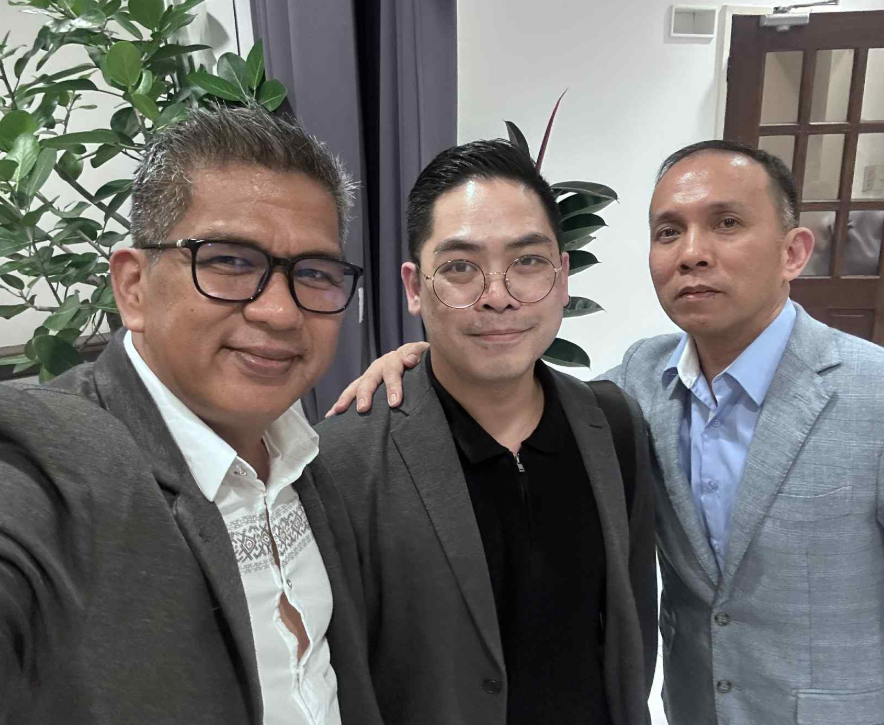
“It’s inspiring to hear that PSI’s work is making a difference here, although we all recognize there’s still so much more to do,” Gleen reflected. “Being part of this dinner reminded me how connected our struggles are. Whether it’s in Australia or the Philippines, the issues of safe staffing, fair pay, and respect are universal.”
Gleen also appreciated the opportunity to connect with Ian and other PSI representatives in person, describing the evening as “a genuine exchange of ideas and a catalyst for future action.”
The dinner underscored the importance of communicating PSI’s mission to a broader audience—something many attendees agreed is crucial for building momentum. Across the room, there was a clear consensus that the advocacy work of PSI, from local campaigns to regional initiatives and global platforms, must be amplified so that more nurses and stakeholders can engage in promoting health workers’ welfare.
As the Congress concluded, the conversation naturally turned to what comes next. With the next Philippine Nursing World Congress scheduled for 2027 in Iloilo City, there is renewed determination to sustain this dialogue. Organizers shared that they hope to “keep tabs on this new engagement with PSI and design a roadmap that looks into fresh areas of collaboration between PSI and the nursing community.”
For many who attended, the dinner was more than an inspiring night—it was the start of a deeper partnership to advance rights, equity, and recognition for nurses everywhere. And as everyone raised a toast to the future, it was clear: this shared mission has only just begun.
